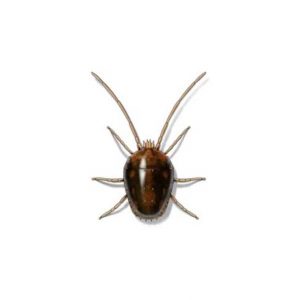
Springtails in Georgia
Health RiskLow
Damage RiskNo Risk
NuisanceLow
How to Identify Springtails
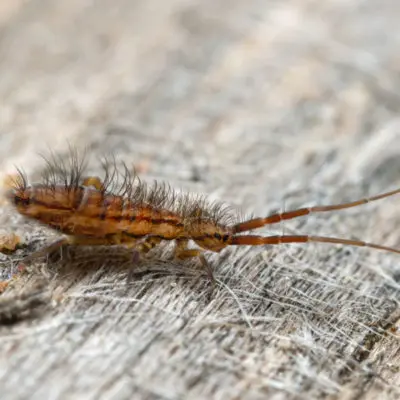
Springtails are tiny moisture-loving insects that thrive in damp environments and feed on decaying organic matter, mold, and fungi.
- Actual Size Typically 1 to 3 mm
- Characteristics Tiny insects that are usually white, gray, or dark-colored.
- Legs 6
- Antennae Yes
- Wings No
What Do Springtails Do?
Springtails are small insects that thrive in moist conditions where organic material and fungi are present. They are commonly found in humid indoor spaces and wet outdoor areas.
- Known for their ability to jump using a specialized forked structure beneath their bodies.
- They are often found in bathrooms, basements, kitchens, crawl spaces, and areas with excess moisture.
- Large numbers of springtails indoors may indicate underlying moisture or humidity problems.
- They thrive in humid environments and reproduce quickly when moisture conditions remain favorable.
Where Do You Find Springtails?
Springtails thrive in environments where moisture levels remain high and organic matter is available for feeding. They are often found indoors and outdoors in damp, humid locations. Common places you’ll find springtails include:
- Bathrooms and laundry rooms with excess moisture
- Basements, crawl spaces, and damp storage areas
- Around sinks, drains, and plumbing leaks
- Houseplants and indoor potted plant soil
- Mulch, compost piles, and leaf litter outdoors
- Gardens, flower beds, and wet soil areas
- Under rocks, logs, and decaying organic debris
- Window sills and areas with condensation buildup
- Around foundations or exterior walls with moisture problems
What Should I Do If I Have Springtails in Georgia?
Springtails can become a persistent issue when moisture problems indoors create ideal conditions for them to reproduce and spread. If you are facing a springtail problem, the following steps are recommended:
- Fix leaking pipes, dripping faucets, and other moisture-related issues around the property.
- Dry, humid, or damp spaces such as basements, bathrooms, crawl spaces, and sink areas.
- Remove mold, mildew, wet debris, and decaying organic matter that may support springtail activity.
- Eliminate standing water and improve drainage around the exterior of the home.
- Seal openings around doors, windows, and foundations to reduce indoor entry points.
- Limit excess moisture in houseplant soil by avoiding overwatering.
- Contact a professional pest control service if springtail infestations continue or become difficult to manage indoors or outdoors.
Top 5 FAQs About Springtails in Georgia
Want to learn more about springtails? Explore our FAQ section below, and contact us by phone or email for help.
Are springtails harmful to people?
No, springtails do not bite, sting, or spread disease and are considered harmless to humans and pets.
Why are springtails in my home?
Springtails usually enter homes due to excess moisture, humidity, or mold growth in areas like bathrooms, basements, or around leaks.
Where are springtails commonly found indoors?
They are often found in bathrooms, kitchens, basements, crawl spaces, and around sinks or plumbing leaks.
Do springtails bite or damage property?
No, springtails do not bite and do not damage structures, but they can become a nuisance when present in large numbers.
How do you get rid of springtails, and when should you contact pest control?
Reduce moisture, fix leaks, improve ventilation, and clean mold or organic buildup. Contact a professional pest control service if activity is persistent, widespread, or linked to ongoing moisture issues.