
Simple Ways to Identify and Eliminate Mosquito Larvae
Serving Atlanta Metro | Columbus | Augusta | Savannah
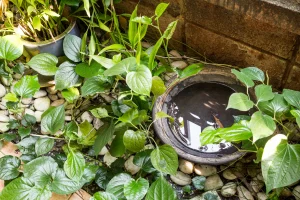
Are mosquitoes taking over your outdoor space? The pest control experts at Active Pest Control understand how aggravating these pests can be and are ready to step in. Knowing how to identify mosquito larvae early is one of the best ways to prevent a larger problem. Spotting them quickly allows you to eliminate breeding areas before mosquitoes multiply. This matters even more for homeowners in Georgia, where warm conditions encourage mosquito activity.
Effective Methods for Eliminating Mosquito Larvae
Mosquitoes can quickly wear down your patience with their constant buzzing and irritating bites. What often goes unnoticed is that biting is part of their reproductive cycle, allowing new mosquitoes to emerge. Each bite increases the chance of more pests developing in the area.
Long-term mosquito control depends on preventing them from reaching adulthood. The following methods focus on killing mosquito eggs and larvae before they mature.
- Vinegar: In small water sources like birdbaths, mix apple cider vinegar at about 15 percent of the total water volume. This method can disrupt larval growth, although it is not as effective against mosquito eggs.
- Oil: Olive oil or vegetable oil can kill mosquito eggs and larvae by forming a thin layer on the water’s surface. This prevents them from breathing. Do not use oil in ponds or birdbaths, as it can be harmful to fish, birds, and other wildlife.
- Dish Soap or Shampoo: Add a small amount of liquid dish soap or shampoo to a gallon of standing water and stir gently. The soap reduces surface tension, causing mosquito eggs and larvae to suffocate.
These approaches work well to eliminate mosquito larvae and can be done using everyday household products. Once larvae are found on your property, taking immediate action can help prevent further problems.
Common Breeding Sites for Mosquito Larvae
Standing water provides the ideal environment for mosquito larvae throughout the beginning of their life cycle. It does not take much water for larvae to develop. Some of the most common breeding locations include:
- Puddles
- Birdbaths
- Stagnant Ponds
- Marshes
- Ditches
- Flower Pots
- Clogged Gutters
Nearly any stagnant water can become a breeding ground for mosquito larvae. Taking the time to locate and remove standing water helps reduce breeding and keeps mosquito numbers in check.
Say Goodbye to Pest Problems for Good!
Why Do Mosquitoes Lay Their Eggs in Standing Water?
Mosquito larvae rely on water to survive and reproduce. Female mosquitoes deposit eggs in stagnant water, and development starts shortly afterward. This environment is essential for their early growth and survival.
The eggs soon hatch into larvae, which remain fully aquatic. They feed on debris in the water and progress through multiple stages until they transform into pupae. Once development is complete, adult mosquitoes emerge from the water.
This is why eliminating standing water is so important for mosquito control. By removing these breeding grounds, you can break the life cycle and prevent future infestations.
What Do Mosquito Larvae Look Like?
Mosquito larvae are often called “wigglers” because of their characteristic side-to-side movement. They resemble small worms and can appear in shades from light beige to brown. They live exclusively in water and need only a tiny amount to survive, which can make them hard to detect.
Many people confuse these larvae with tadpoles at first sight. Tadpoles are usually bigger and have smooth tails, while mosquito larvae are segmented. Recognizing these features makes telling them apart much easier.
Is Draining Water an Effective Way to Kill Mosquito Larvae?
Yes, if you spot mosquito larvae in a wheelbarrow, birdbath, or any container holding standing water, pouring the water onto dry ground will kill them since they cannot survive without water. This is a fast and safe method for small water sources. Be sure the ground is completely dry before emptying the water, as mosquito larvae can survive in very little moisture.
How Long Does It Take for Mosquito Larvae to Become Adults?
Mosquito eggs usually hatch within 24 to 48 hours after being laid by a female. During this short window, the eggs are extremely vulnerable, and eliminating standing water can disrupt their development. Once the larvae emerge, they grow quickly in water, taking roughly one to two weeks to become adult mosquitoes. This fast life cycle makes early intervention critical.
Expert mosquito control professionals can find breeding spots you might miss and treat them to prevent larvae from maturing into adult mosquitoes.
Protect Your Yard from Mosquitoes! Call Active Pest Control!
If mosquito larvae are proving difficult to manage, it might be time to contact local mosquito control experts. Homeowners in Georgia turn to professionals to locate and treat hidden breeding areas. The team at Active Pest Control works to eliminate every possible mosquito hotspot. Our mission is clear: stop mosquitoes from spreading and target eggs and larvae before they become adults.
Say goodbye to mosquitoes! Call Active Pest Control today and let our experts get rid of them for you.
Back to Professional Mosquito Control & Exterminator Services