Horse Flies in Georgia
Health RiskLow
Damage RiskNo Risk
NuisanceHigh
How to Identify Horse Flies
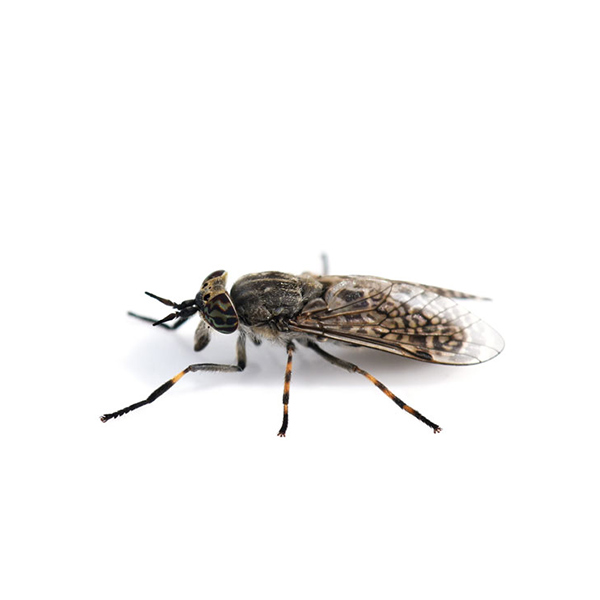
Horse flies are characterized by their strong, rapid flight and painful biting behavior, often seen around livestock, wooded areas, and water sources.
- Actual Size 10 to 25 mm
- Characteristics Large, aggressive biting flies with dark bodies and rapid flight patterns.
- Legs 6
- Antennae Yes
- Wings Yes, one pair of clear wings
What Do Horse Flies Do?
Horse flies breed in humid environments with wet soil and standing water and are commonly found near lakeshores, wooded areas, and livestock enclosures.
- Female horse flies feed on blood and are known for their painful, persistent bites on people and animals.
- They are strong, fast fliers that can be difficult to avoid once they begin circling a host.
- Horse flies are attracted to movement, body heat, and carbon dioxide produced by humans and animals.
- Their bites can cause redness, swelling, irritation, and discomfort that may last for several days.
Where Do You Find Horse Flies?
These biting flies are often observed near wetlands, pastureland, and humid outdoor environments, where they reproduce in moist soil near water sources. Other common places you’ll find horse flies include:
- Lakeshores and pond edges
- Marshes and swampy wetlands
- Farms and pastureland with livestock
- Horse stables and animal enclosures
- Hiking trails and wooded recreation areas
- Rivers, streams, and creek banks
- Campgrounds and picnic areas near water
- Tall grassy fields and humid rural environments
What Should I Do If I Have Horse Flies in Georgia?
Horse flies can create significant discomfort outdoors when they appear in large numbers near ponds, marshes, and pastureland and repeatedly bite during the day. If horse flies are causing problems, the following steps are recommended:
- Wear long sleeves, pants, and light-colored clothing when spending time outdoors in horse fly-prone areas.
- Apply insect repellents containing DEET, picaridin, or similar active ingredients before going outside.
- Use fans in patios, barns, and outdoor seating areas to disrupt their strong flight patterns.
- Keep livestock areas clean and reduce standing water around animal enclosures when possible.
- Install and maintain screens on windows, porches, and outdoor structures to help prevent entry.
- Contact a professional pest control service if horse flies become persistent around your property, animals, or outdoor gathering areas.
Top 5 FAQs About Horse Flies in Georgia
To better understand horse flies, check the FAQs below first. If anything is still unclear, you can contact us by phone or email.
When are horse flies most active?
They are most active during warm, sunny days in late spring and summer, especially in the daytime.
What do horse fly bites feel like?
Their bites are often described as sharp and painful, sometimes followed by redness, swelling, and itching.
Can horse flies transmit diseases?
They can transmit certain bacteria, but they are not known to be major carriers of serious diseases in humans.
Do horse flies enter homes?
They are primarily outdoor insects and rarely enter homes unless accidentally brought inside or attracted through open doors.
When should I call a pest control professional for horse flies?
If horse flies are consistently present around your property, livestock, or outdoor spaces, a pest control professional can help identify breeding areas and recommend effective treatment options.