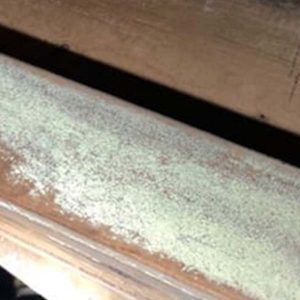
Brown Rot Fungi in Georgia
Health RiskNo Risk
Damage RiskHigh
NuisanceLow
How to Identify Brown Rot Fungi
Brown rot fungi are destructive fungi that attack wooden structures, causing wood to become weakened, crumbly, and darkened as decay progresses.
- Growth Range Colonies can extend through multiple feet of wooden material, especially in damp, poorly ventilated environments.
- Characteristics Rapidly weakens structural wood by digesting its internal fibers, leaving it brittle and structurally unsound.
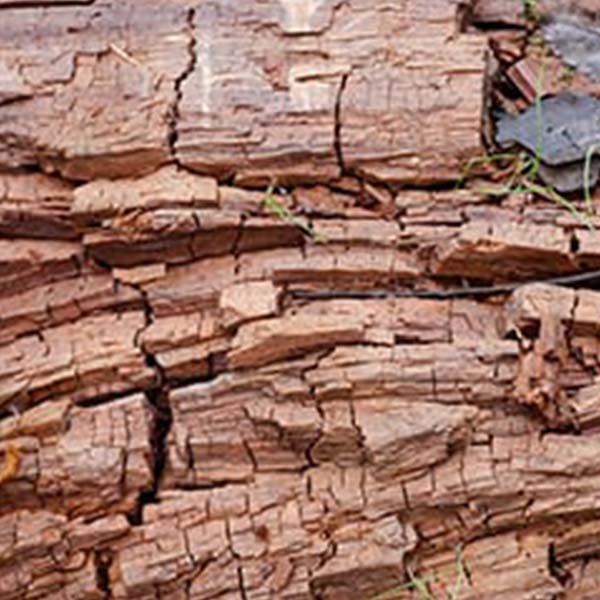
- Appearance/Coloration Decayed wood typically becomes dark brown with a dry, fractured surface that breaks into distinct cube-shaped sections.
What Do Brown Rot Fungi Do?
Brown rot fungi consume wood by targeting its structural components, slowly decomposing beams, logs, and other cellulose-rich materials. Their activity often results in visible deterioration in buildings and outdoor wooden structures.
- Thrives in moist environments, especially in poorly ventilated areas like crawl spaces, basements, and damp forests.
- They are especially destructive to structural wood in buildings, decks, fences, and outdoor wooden features.
- These fungi spread through spores that land on suitable wood surfaces and begin colonizing when moisture conditions are favorable.
- Once established, brown rot fungi can significantly weaken wood integrity, often requiring complete removal and replacement of the affected material.
Where Do You Find Brown Rot Fungi?
Brown rot fungi typically inhabit damp, poorly ventilated spaces where wood and organic material are breaking down, especially in moisture-prone structures. Common places you’ll find brown rot fungi include:
- Damp basements where moisture builds up, and wood framing is exposed.
- Crawl spaces with poor ventilation and high humidity levels.
- Rotting logs and fallen trees.
- Wood piles that are stored outdoors without protection from rain.
- Decaying tree stumps.
- Leaky roof structures where moisture seeps into attics.
- Wooden decks, fences, and outdoor structures.
- Underground or soil-contact wooden posts and support beams.
What Should I Do If I Have Brown Rot Fungi in Georgia?
Brown rot fungi frequently spread between damp wood, structural timber, and natural forest debris, where their decay activity can lead to significant wood weakening and material damage. When brown rot fungi become a problem, the following steps are recommended:
- Remove and discard any heavily decayed wood that has lost structural integrity.
- Fix moisture problems such as leaks, poor drainage, or ventilation issues that are feeding the fungus.
- Improve airflow in affected areas like basements, crawl spaces, and attics to reduce humidity.
- Replace damaged structural wood with new, properly treated lumber to prevent further spread.
- Monitor nearby wood regularly for early signs of recurring decay or moisture buildup.
- Contact a fungi professional for a thorough inspection and targeted treatment plan if the infestation is widespread or affecting structural components.
Top 5 FAQs About Brown Rot Fungi in Georgia
If you have questions about brown rot fungi and how to address their impact on wood structures, browse our frequently asked questions below. For further help, reach out by phone or email.
What causes brown rot fungi to grow?
Excess moisture, poor ventilation, and untreated or exposed wood create ideal conditions for brown rot fungi to develop and spread.
Are brown rot fungi dangerous to my home?
Yes, it can significantly weaken structural wood over time, leading to serious damage if left untreated.
Can brown rot fungi be prevented?
Yes, prevention includes controlling moisture, improving ventilation, sealing wood, and promptly repairing leaks or water intrusion.
How is brown rot fungi treated?
Treatment typically involves removing damaged wood, correcting moisture issues, and applying wood preservatives or fungicidal treatments.
Should I contact a professional for brown rot fungi?
Yes, if the infestation is widespread or affecting structural components, it’s best to contact a fungi professional for a full inspection and treatment plan.