Indian Meal Moths in Georgia
Health RiskLow
Damage RiskHigh
NuisanceLow
How to Identify Indian Meal Moths
A small food-infesting pests recognized by their ability to spread through packaged pantry items and a wide variety of stored products.
- Actual Size 8 to 10 mm wingspan
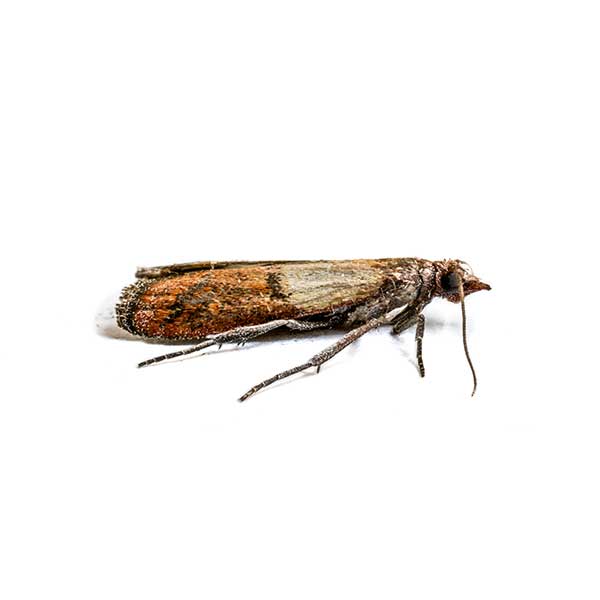
- Characteristics Adult moths have pale gray forewings and reddish-brown outer wing markings. Larvae are small, creamy-white to pale yellow caterpillar-like insects with a brown head.
- Legs 6
- Antennae Yes
- Wings Yes
What Do Indian Meal Moths Do?
Commonly found infesting dry stored goods such as cereal, flour, grains, and packaged foods in pantries and storage areas.
- The larvae cause the most damage, feeding on stored foods and leaving behind webbing, frass, and contaminated product.
- They are strong fliers, and adult moths are often seen fluttering around kitchens and pantry areas.
- Infestations often start in packaged foods, which may already contain eggs or larvae before being brought into the home.
- They can spread quickly through multiple food items, especially if contaminated goods are not removed promptly.
Where Do You Find Indian Meal Moths?
Typically found in locations where stored food products are present, and their activity becomes more visible as infestations grow across pantry items and storage areas. Areas you’re most likely to find Indian meal moths include:
- Commercial kitchens where bulk dry ingredients are kept and used regularly
- Warehouses storing packaged food products, grains, and dried goods
- Cabinets and shelves holding snacks, dried fruit, tea, and baking supplies
- Kitchen pantries storing flour, cereal, rice, pasta, and baking ingredients
- Food storage cabinets containing spices, grains, nuts, and dried foods
- Grocery storage rooms in homes, restaurants, and food service businesses
- Break rooms or office kitchens with packaged snacks and pantry items
- Storage areas containing birdseed, pet food, or other dried organic materials
What Should I Do If I Have Indian Meal Moths in Georgia?
While no direct risk to humans or structures, they can create serious contamination issues in stored foods and pantry products. If Indian meal moths are becoming a problem, the following steps are recommended:
- Discard any contaminated or suspicious food items immediately to prevent further spread.
- Thoroughly clean pantry shelves, cabinets, and storage areas to remove crumbs, debris, and hidden food particles.
- Vacuum corners, cracks, and crevices where eggs, larvae, or webbing may be present.
- Store all dry goods in airtight, sealed containers to prevent re-infestation.
- Check newly purchased packaged foods before placing them into your pantry or storage areas.
- Contact a professional pest control service if infestations persist, spread, or continue returning after cleanup efforts.
Top 5 FAQs About Indian Meal Moths in Georgia
Looking for answers about Indian meal moths? Check the FAQ section below, then reach out by phone or email for additional support.
What causes an Indian meal moth infestation?
Infestations usually start when infested packaged foods are brought into the home, often containing eggs or larvae already inside.
How can I tell if I have Indian meal moths?
Signs include small moths flying in the kitchen, webbing in food packages, clumped or damaged dry goods, and larvae in stored products.
What do Indian meal moth larvae look like?
Indian meal moth larvae are small, creamy-white to pale yellow caterpillar-like insects with a brown head. As they feed, they often leave behind silk-like webbing.
How do I get rid of Indian meal moths?
Remove and discard infested foods, clean pantry areas thoroughly, vacuum cracks and corners, and store food in airtight containers.
When should I call a pest control professional?
You should contact a professional if infestations persist, spread to multiple food items, or continue returning after thorough cleaning efforts.