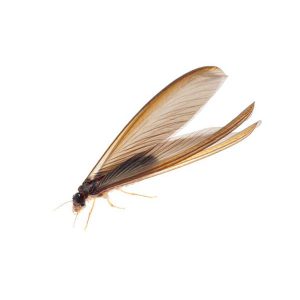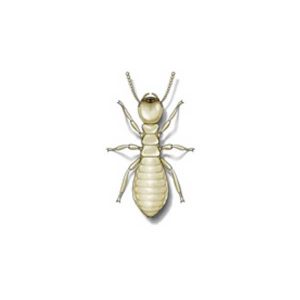
Formosan Termites in Georgia
Health RiskNo Risk
Damage RiskHigh
NuisanceHigh
How to Identify Formosan Termites
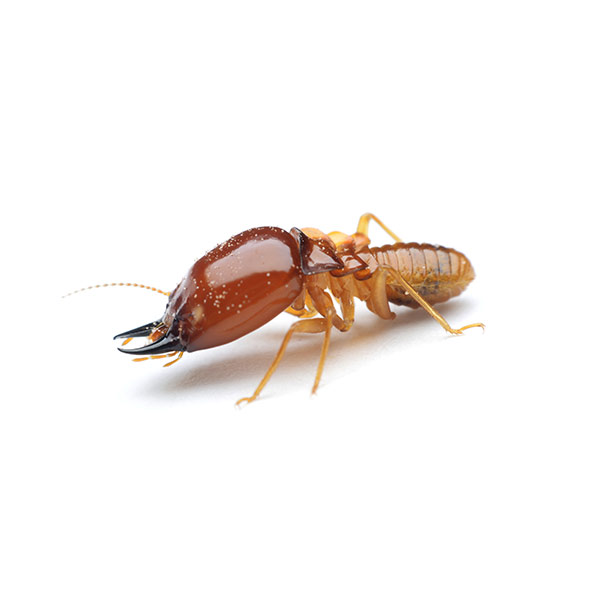
Formosan termites have light colored, soft bodies and extremely strong mandibles that allow them to consume cellulose, often causing rapid and severe wood damage as they move between soil colonies and structures.
- Actual Size About 2 to 15 mm in length, varying by caste
- Characteristics Have soft bodies that vary in color from cream to brown, along with straight antennae and strong mandibles.
- Legs 6
- Antennae Yes
- Wings Yes, on reproductive swarmers
What Do Formosan Termites Do?
Formosan termites rely on wood and other cellulose sources for food while creating large colonies in soil and building cavities, leading to rapid and extensive structural damage.
- An aggressive species of subterranean termite known for forming extremely large colonies that can number in the millions.
- They feed on cellulose found in wood, paper, and other plant-based materials, which makes buildings highly vulnerable to damage.
- They produce shelter tubes (mud tubes) to protect themselves while traveling between soil and food sources.
- A Formosan termite colony can consume wood at a very rapid rate compared to many other termite species, leading to faster structural damage.
Where Do You Find Formosan Termites?
Formosan termites are commonly found in moist soil around structures, where they build extensive colonies and use mud tubes to feed on wood. Activity often goes undetected until damage or swarmers are seen. Places you’re likely to find Formosan termites include:
- Moist soil around home foundations
- Crawl spaces with high humidity or poor ventilation
- Leaky areas around plumbing lines
- Wooden structural components in contact with soil
- Inside wall voids or structural cavities
- Mulch beds and heavily landscaped areas near buildings
- Wooden decks, porches, and exterior steps
- Mud tubes along foundations, pipes, and exterior walls
What Should I Do If I Have Formosan Termites in Georgia?
Formosan termites usually infiltrate buildings from beneath the soil, using moisture-rich pathways to reach and feed on wood inside walls, floors, and structural supports. If you have Formosan termites, the following steps are highly recommended:
- Improve ventilation in crawl spaces, attics, and basements to reduce humidity that supports colony growth.
- Keep mulch, soil, and landscaping materials from direct contact with wood siding or structural components.
- Remove or replace heavily damaged or moisture-compromised wood as directed by a pest control specialist.
- Eliminate excess moisture around the home by repairing leaks, improving drainage, and addressing standing water issues.
- Schedule a professional treatment plan, which may include soil termiticides, baiting systems, or specialized Formosan termite control methods.
- Contact a licensed pest control professional immediately to inspect and confirm Formosan termite activity and determine the extent of the infestation.
Top 5 FAQs About Formosan Termites in Georgia
Questions about Formosan termites? Check out the FAQ section below, and contact us by phone or email if you need additional information.
How do Formosan termites enter homes?
They enter from the soil through cracks in foundations, gaps around plumbing, and areas where wood touches the ground, often using mud tubes for protection.
What are the signs of a Formosan termite infestation?
Signs include mud tubes, discarded wings, hollow-sounding wood, bubbling paint, and sometimes visible swarms of winged termites.
Why are Formosan termites so destructive?
They form extremely large colonies that can consume wood quickly and may establish multiple nesting sites, increasing the speed and scale of damage.
Can Formosan termites damage a house quickly?
Yes, because of their large colony sizes and aggressive feeding habits, they can cause significant structural damage in a relatively short period.
How are Formosan termites treated?
Treatment usually involves professional pest control methods such as soil termiticides, baiting systems, and eliminating moisture sources to reduce colony survival.