

 Rats have evolved over millions of years into some of the planet’s most adaptable creatures. Originating in Asia and Australia, they have spread to nearly every habitat worldwide. In Georgia, their ability to thrive in areas rich with food and shelter has made them a frequent presence around homes, restaurants, and storage facilities. This adaptability is impressive but comes with challenges.
When rats take up residence, they leave behind unmistakable signs such as droppings, gnaw marks, and nests. These indicators point to a growing infestation that requires attention to avoid further problems.
That’s where professional rodent control comes in. Active Pest Control offers effective, proven services to detect and eliminate infestations, helping homeowners protect their properties and maintain a rodent free living environment.
Rat Behavior and Habits Explained
As highly intelligent and social animals, rats depend on cooperation to survive. They live in structured groups known as a “mischief,” where every member has a role that supports the colony. Communication through ultrasonic sounds, body language, and pheromones keeps the group connected. Grooming is vital not only for hygiene but also for strengthening social bonds.
Rats are primarily nocturnal, avoiding humans whenever possible. If they are seen during the day, it usually signals a significant infestation. This behavior helps them stay safe and increases their chances of survival.
Their adaptability and intelligence make them important subjects for research. Studies have shown that their ability to solve problems and navigate challenges provides valuable insight into both animal behavior and human learning.
Understanding What Rats Eat
Rats are highly adaptable eaters, consuming whatever food is available. Their diet changes with location and resources. As omnivores, they eat plants, insects, and human food waste. Common food sources include:
- Grains, Seeds, and Nuts: In the wild, these serve as a primary food source for rats, supplying energy and essential nutrients.
- Fruits and Vegetables: Fresh produce or fallen fruits and vegetables provide rats with important vitamins and hydration.
- Trash and Leftovers: Rats frequently search through garbage or compost for scraps, making these an easy and reliable food source.
- Insects and Small Animals: When other food is limited, rats may prey on insects or small animals to gain protein.
- Pet Food: Unattended or easily accessible pet food quickly becomes a convenient meal for rats.
The Secrets of Rat Survival and Adaptability
Rats are among the most adaptable animals on Earth. They can thrive in urban areas, farmland, forests, and even harsh, cold climates. Their exceptional sense of smell helps them locate food, and their ability to tread water for up to three days allows them to survive in flooded environments, sewers, and waterways.
These creatures are also master engineers. They dig complex burrow systems that extend underground or inside walls, serving as protection and food storage. Their foraging habits are impressive, as rats can travel hundreds of feet from their nests to find food, showing remarkable endurance.
Managing rat infestations is challenging because of their rapid breeding. A single pair can produce dozens of offspring in a short time. Being primarily nocturnal, rats use their intelligence and adaptability to evade traps and predators, ensuring their survival in almost any environment.
Understanding the Scientific Value of Rats
Rats hold a unique position in science because of their close genetic and biological similarities to humans. They have contributed to major advancements in genetics, disease prevention, behavior research, and the creation of new treatments. Their role in research continues to influence medicine and psychology today.
Beyond scientific research, wild rats are often seen as pests. They pose health risks by spreading disease through droppings, urine, and direct contact. This negative perception contrasts sharply with the view of pet rats.
Pet rats are admired for their intelligence, gentle temperament, and social nature. Easy to train and care for, they can even perform tricks, earning them a place as treasured companions for those who understand their unique charm.
Exploring the Intelligence of Rats
For more than a century, rats have been studied for their intelligence and problem-solving abilities. Their brain structure and decision-making processes closely resemble those of humans, making them essential for research in learning, memory, and behavior. Rats can master complex tasks, solve puzzles, and navigate mazes with remarkable skill.
Another striking ability is their consistent pattern recognition. Studies show rats are less likely than humans to second-guess themselves, demonstrating efficiency in decision-making. This aptitude not only explains their success in adapting to different environments but also makes them invaluable in scientific research.
Unfortunately, these strengths also make rats challenging pests. Their adaptability and intelligence allow infestations to spread quickly. This is why skilled rodent exterminators are vital for detecting, controlling, and preventing rat problems.
Professional Rat Control Services by Active Pest Control
Rats can cause significant problems in the home, including spreading disease, contaminating food, damaging structures, and triggering asthma or allergies. In Georgia, such issues are a frequent concern. Their ability to chew through electrical wiring also creates fire risks. This is why Active Pest Control provides professional rat control as part of its pest management solutions.
We start with a careful inspection to identify entry points, nesting areas, and signs of infestation. This allows us to create a targeted and effective treatment plan. Consistent care from Active Pest Control helps keep your home free of rats for years to come.
Get in touch with Active Pest Control today for effective rodent removal services you can rely on.
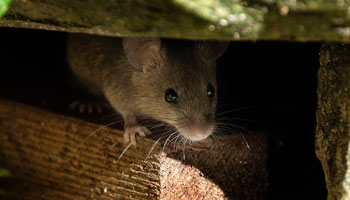 Fall is considered by most people to be one of the nicest times of the year. Cooler temperatures not only signal the start of the holiday season but also the beginning of rodent season. Every October,