Fire Ants in Georgia
Health RiskHigh
Damage RiskMedium
NuisanceHigh
How to Identify Fire Ants
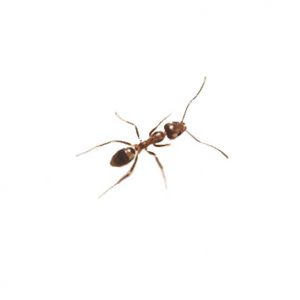
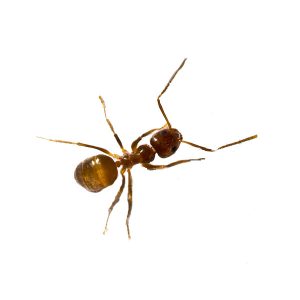
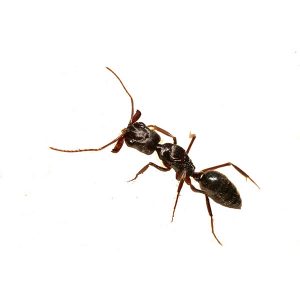
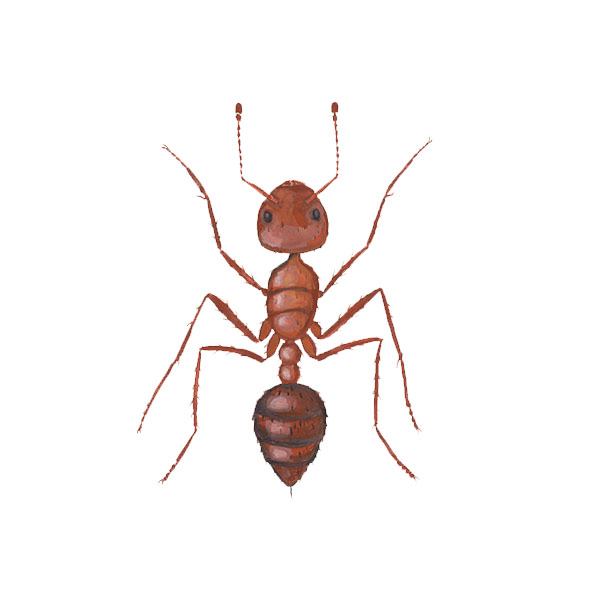
Fire ants are aggressive social insects known for their reddish coloration, segmented bodies, and painful stinging behavior. They are commonly recognized by their large colonies and distinctive mound-building activity in outdoor areas.
- Actual Size 3 to 6 mm
- Characteristics Reddish-brown to dark brown ants with segmented bodies, a narrow waist, and a more robust build. Well known for their aggressive behavior and painful sting.
- Legs 6
- Antennae Yes
- Wings Only the reproductive ants develop wings
What Do Fire Ants Do?
Fire ants feed on a variety of organic materials, including insects and plant-based foods, which they collect to feed the colony. They are most active during warm parts of the day and will quickly swarm when their nests are threatened.
- An aggressive social insects that live in large underground colonies with organized worker, soldier, and reproductive castes.
- They are most active in warm weather and quickly respond in large numbers when their mound is disturbed.
- Known to build distinctive soil mounds that mark the entrances to their underground nests.
- They are known for delivering painful stings that can cause burning sensations and skin irritation.
Where Do You Find Ants?
Fire ants are frequently seen in grassy and soil-rich environments, especially in areas with warm temperatures where their colonies thrive and spread rapidly. Common places you’ll find fire ants include:
- Lawns and grassy yards
- Garden beds and flower beds
- Open fields and pastures
- Soil mounds in sunny areas
- Around sidewalks and driveways
- Under rocks and landscape debris
- Near tree bases and shrubs
- Sandy or loose soil areas
- Mulch beds and landscaped areas
What Should I Do If I Have Fire Ants in Georgia?
Fire ants are not disease carriers, but they can create health risks through painful stings that may trigger irritation or allergic reactions. If you’re dealing with fire ants, the following steps are highly recommended:
- Avoid disturbing mounds to prevent aggressive swarming and stings.
- Treat the surrounding areas to reduce satellite colonies and reinfestation.
- Remove outdoor food sources like pet food or fallen fruit.
- Wear protective footwear and clothing when working in infested areas.
- Monitor treated areas regularly for new mound activity.
- Contact a pest control professional if infestations persist or spread.
Top 5 FAQs About Fire Ants in Georgia
Have questions about fire ants? Start with our most frequently asked questions below. If you still need help, don’t hesitate to reach out by phone or email.
Are fire ants dangerous?
Yes, they can be dangerous because their stings are painful and may cause allergic reactions in some people.
What do fire ants eat?
Fire ants are omnivores and feed on insects, seeds, sugary substances, and food scraps.
How do fire ants get into yards or homes?
They spread through soil movement, landscaping materials, and by foraging through small cracks and openings.
How can I get rid of fire ants?
Effective control often requires treating the entire colony using bait products, reducing attractants, and maintaining yard conditions.
What should I do if I have fire ants?
Take careful steps to avoid disturbing the colony, including:
• Avoid stepping on mounds.
• Use bait treatments around active areas.
• Keep outdoor areas clean and dry.
• Contact pest control for large or recurring infestations.
• Avoid stepping on mounds.
• Use bait treatments around active areas.
• Keep outdoor areas clean and dry.
• Contact pest control for large or recurring infestations.