Trap-Jaw Ants in Georgia
Health RiskLow
Damage RiskLow
NuisanceLow
How to Identify Trap-Jaw Ants
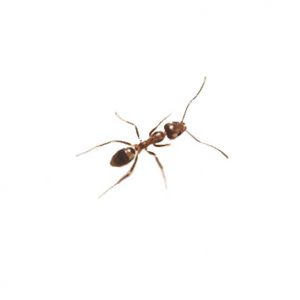
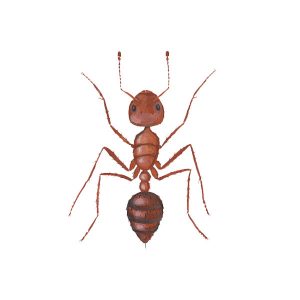
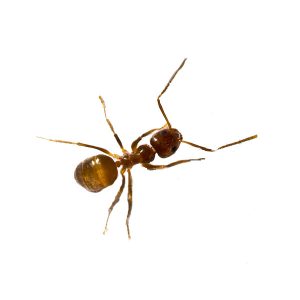
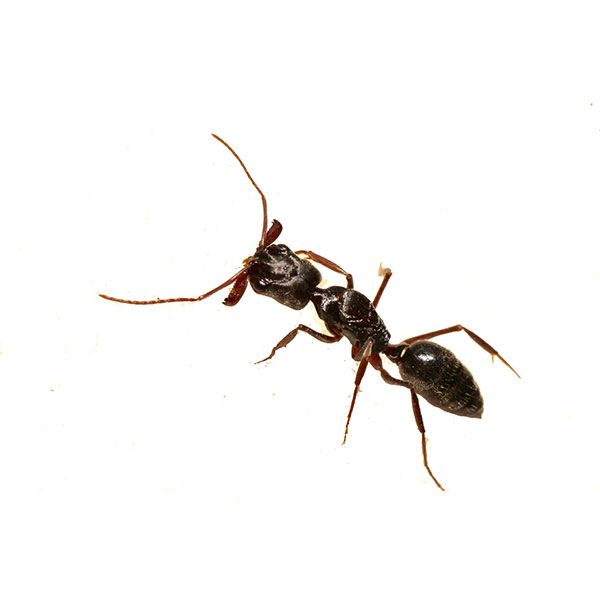
Can best be recognized by their dark brown to reddish coloring and their extremely fast, snapping mandibles used for capturing prey and defending their nests.
- Actual Size 6 to 15 mm
- Characteristics Medium-sized ants known for their dark brown to reddish coloring and their long, powerful mandibles that can snap shut at high speed.
- Legs 6
- Antennae Yes
- Wings Only the reproductive ants develop wings
What Do Trap-Jaw Ants Do?
Trap-jaw ants rely on hunting small insects and scavenging organic matter to fuel colony growth. They become highly active in warmer periods when food is readily available.
- Known for their extremely fast mandibles that can snap shut at some of the highest speeds in the insect world.
- They can use their mandibles to launch themselves backward to escape danger after snapping their jaws shut.
- Solitary hunters compared to many other ant species, often actively chasing down small insects for food.
- They primarily feed on other insects and arthropods, making them important predators in their ecosystems.
Where Do You Find Trap-Jaw Ants?
Typically discovered in outdoor areas such as forests, gardens, and grasslands, where they build nests in soil and hunt for prey. Common places you’ll find trap-jaw ants include:
- Warm, sandy soil in open outdoor areas
- Forest floors with leaf litter and organic debris
- Under rocks, logs, and fallen branches
- Garden beds and landscaped areas with loose soil
- Grasslands and meadow environments
- Around tree bases and exposed root systems
- Occasionally, indoors near doors or entry points, but not as established colonies
What Should I Do If I Have Trap-Jaw Ants in Georgia?
Nuisance pests that are typically found outdoors but may occasionally wander into structures while hunting for food. If you’re dealing with trap-jaw ants, the following steps are recommended to help control them:
- Avoid disturbing nests, since these ants may respond quickly and aggressively when threatened.
- Reduce outdoor clutter like logs, rocks, and leaf litter that can provide nesting sites.
- Maintain clean, well-kept garden and yard areas to minimize hiding and hunting spots.
- Trim back vegetation and prevent landscaping from becoming overgrown near the home.
- Use targeted bait or outdoor treatments designed for ant colonies when appropriate.
- Contact an ant control professional if activity continues or begins spreading near the structure.
Top 5 FAQs About Trap-Jaw Ants in Georgia
Looking for answers about trap-jaw ants? Read through our FAQs below. If you still need help, don’t hesitate to contact us.
Why are they called trap-jaw ants?
They are called trap-jaw ants because their jaws can open wide and snap shut at incredible speed, functioning like a mechanical trap.
Are trap-jaw ants dangerous?
They are not dangerous to humans in a medical sense, but they can deliver a painful bite if handled or disturbed.
Where do trap-jaw ants live?
They are typically found in warm outdoor environments such as forests, grasslands, and gardens, nesting in soil or under debris.
Do trap-jaw ants come inside homes?
They are primarily outdoor ants and rarely establish indoor colonies, though they may occasionally wander inside by accident.
How do I get rid of trap-jaw ants?
Control involves reducing outdoor nesting sites, limiting food sources, maintaining yard cleanliness, and contacting a pest control professional if needed.