Odorous House Ants in Georgia

Health RiskLow
Damage RiskLow
NuisanceHigh
How to Identify Odorous House Ants
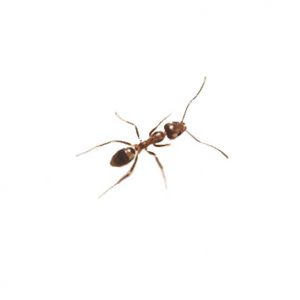
Characterized by their dark color, small size, and strong smell, along with their habit of forming persistent indoor trails while searching for food.
- Actual Size 2.5 to 3.5 mm
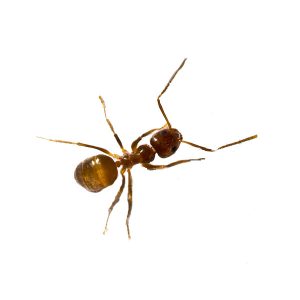
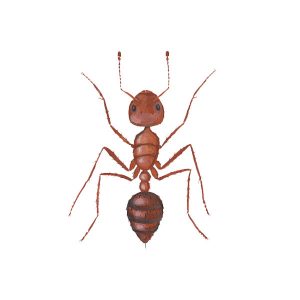
- Characteristics Small, dark brown to black ants with uneven-shaped bodies that emit a strong, unpleasant odor when crushed.
- Legs 6
- Antennae Yes
- Wings Only the reproductive ants develop wings
What Do Odorous House Ants Do?
Primarily they feed on sweets and organic material found in homes and outdoor environments, using these resources to maintain their colonies. They are most active while following established trails between nests and food sources.
- They are named for the strong, rotten coconut-like odor they release when crushed or disturbed.
- They often nest in wall voids, beneath floors, and in damp or decaying materials.
- They can enter homes through tiny cracks and gaps around doors, windows, and foundations.
- While they do not spread disease, they can contaminate food surfaces as they move through kitchens and pantries.
Where Do You Find Odorous House Ants?
Typically found both inside structures and in outdoor nesting areas where they can access food and moisture. Common places you’ll find odorous house ants include:
- Kitchen counters and food prep areas
- Pantry shelves and stored food containers
- Bathrooms, especially near tubs, showers, and toilets
- Along baseboards, floors, and wall edges
- Around windows, door frames, and entry points
- Behind appliances like refrigerators and stoves
- Damp basements and crawl spaces
- Wall voids and hidden interior spaces with moisture or food access
What Should I Do If I Have Odorous House Ants in Georgia?
While not dangerous to humans or pets, they can cause hygiene issues when they invade homes in search of food and moisture. For odorous house ant activity in your home, it is strongly recommended to follow the steps below:
- Seal cracks, gaps, and other entry points around doors, windows, and the foundation.
- Thoroughly clean kitchen surfaces and remove all crumbs, spills, and grease buildup.
- Repair leaks and reduce moisture in kitchens, bathrooms, and under sinks.
- Keep trash cans tightly closed and empty garbage on a regular schedule.
- Track ant trails to help locate nesting areas or entry points.
- Declutter areas that may provide shelter or hidden food sources.
- Contact a pest control professional if the infestation continues or spreads.
Top 5 FAQs About Odorous House Ants in Georgia
Have questions about odorous house ants? Start with our most frequently asked questions below. If you still need help, don’t hesitate to reach out by phone or email.
Why are they called odorous house ants?
They get their name from the distinct odor they emit when disturbed or crushed, often compared to rotten coconut or musty smells.
Are odorous house ants dangerous?
No, they are not dangerous to humans or pets and do not spread diseases, but they can be a nuisance indoors.
Why do odorous house ants come inside homes?
They enter structures searching for food and moisture, especially sweets, grease, and spills.
Do odorous house ants cause damage to homes?
They do not cause structural damage, but they can contaminate food and become a persistent indoor nuisance.
How do I get rid of odorous house ants?
Control includes cleaning food sources, sealing entry points, reducing moisture, and using bait treatments. Persistent infestations often require professional ant control.