Bald-Faced Hornets in Georgia
Health RiskHigh
Damage RiskLow
NuisanceMedium
How to Identify Bald-Faced Hornets
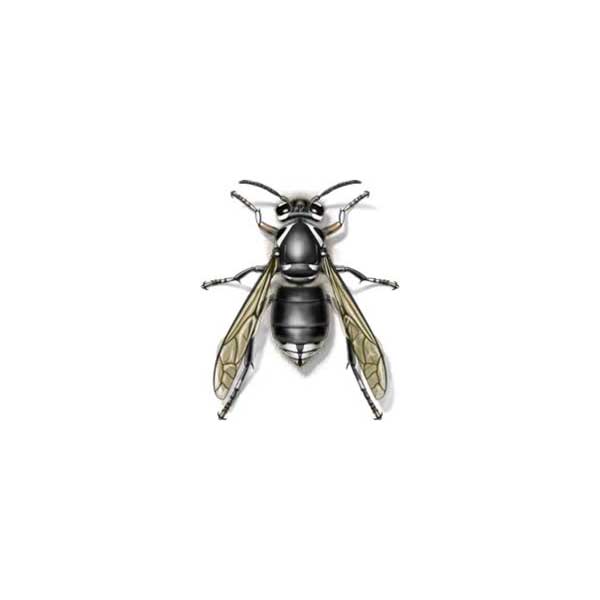
These stinging insects are identified by their black bodies with distinct white markings, aggressive group defense behavior, and tendency to swarm when their nest is threatened.
- Actual Size 12 to 20 mm
- Characteristics Large stinging insect with a smooth, mostly black body accented by distinctive white markings on its face and abdomen.
- Legs 6
- Antennae Yes
- Wings Yes
What Do Bald-Faced Hornets Do?
Bald-faced hornets are social wasps that feed on sugars from nectar and prey on other insects. They are most noticeable when colonies aggressively protect their large, gray paper nests in trees or around structures.
- Actually a type of yellowjacket wasp, not true hornets.
- Their colonies are highly defensive and will aggressively protect the nest if threatened.
- Feed on nectar, fruit juices, and other insects, including flies and caterpillars.
- They can sting multiple times and release alarm pheromones that trigger other hornets to attack.
Where Do You Find Bald-Faced Hornets?
Frequently found in areas with trees and shrubs, where they build exposed gray nests and actively hunt other insects. Common places you’ll find bald-faced hornets include:
- Tree branches and high canopies in wooded areas
- Eaves and roof overhangs on houses and buildings
- Dense shrubs and hedgerows in residential yards
- Utility poles and wooden structures outdoors
- Abandoned sheds, barns, and outbuildings
- Forest edges and parkland with mature trees
- Playground equipment or undisturbed outdoor structures
What Should I Do If I Have Bald-Faced Hornets in Georgia?
Bald-faced hornets can pose a serious safety risk when colonies build large aerial nests near homes or commercial buildings. If you’re dealing with bald-faced hornets, the following steps are highly recommended:
- Keep a safe distance from the nest and avoid any activity near the area.
- Do not attempt to spray, knock down, or remove the nest yourself.
- Warn family members, neighbors, and guests to stay away from the area.
- Keep children and pets indoors or well away from the nest site.
- Avoid loud noises, vibrations, or anything that could disturb the colony.
- Limit outdoor activity near known nesting areas, especially during the daytime.
- Contact professional pest control for treatment and removal.
Top 5 FAQs About Bald-Faced Hornets in Georgia
Have questions about bald-faced hornets? Review our most frequently asked questions below. If you have additional questions, reach out by phone or email.
Are bald-faced hornets dangerous?
They can be dangerous because they are highly defensive and will aggressively protect their nest if disturbed.
What do bald-faced hornets eat?
They feed on nectar, fruit juices, and other insects such as flies, caterpillars, and spiders.
When are bald-faced hornets most active?
When are bald-faced hornets most active?
Do bald-faced hornets sting more than once?
Yes, they can sting multiple times and may release alarm signals that trigger others to attack.
Should I remove a bald-faced hornet nest myself?
No, disturbing a nest can provoke aggressive defense, so it is not recommended to attempt removal without proper training.
When should I call a professional for bald-faced hornets?
Contact a pest control professional if a nest is located near your home or if hornets are showing aggressive activity.