Sweat Bees in Georgia
Health RiskLow
Damage RiskLow
NuisanceMedium
How to Identify Sweat Bees
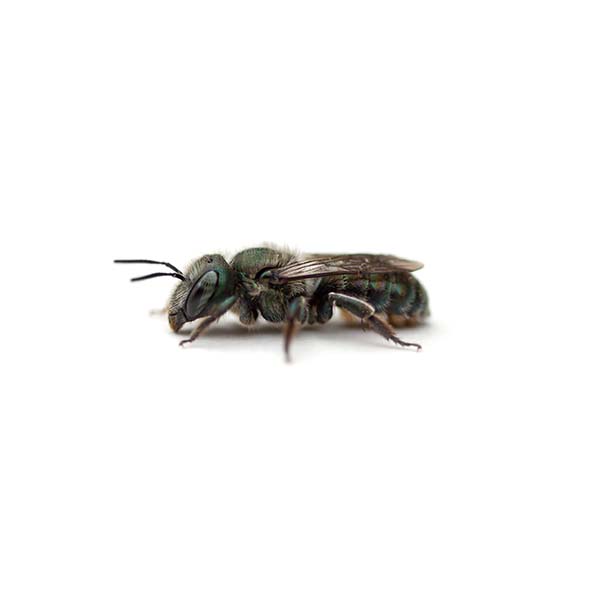
Sweat bees are recognized by their small, slender bodies, metallic or dark coloring, and their tendency to gather around flowers, gardens, and outdoor areas where they search for pollen and nectar.
- Actual Size Approximately 4 to 10 mm in length
- Characteristics Small bees with slender bodies that may have metallic green, blue, bronze, or dark coloring. Sweat bees have short antennae, delicate wings, and fine body hairs used for collecting pollen.
- Legs 6
- Antennae Yes
- Wings Yes
What Do Sweat Bees Do?
Sweat bees are active pollinators that search for nectar and pollen among flowering plants. They are frequently observed around residential landscapes, gardens, and areas with exposed soil where they may nest.
- They get their name from their attraction to perspiration because some species are drawn to the salt found in human sweat.
- Many sweat bee species nest in the ground, creating small burrows in soil, sandy areas, gardens, lawns, and other outdoor locations.
- Sweat bees feed on nectar and pollen, making them beneficial insects that contribute to the pollination of many plants and flowers.
- They are commonly seen during warmer months, especially around gardens, flower beds, meadows, and areas with blooming vegetation.
Where Do You Find Sweat Bees?
These small bees are frequently found near landscapes and outdoor spaces where they collect nectar and pollen or build nests in soil and sheltered areas. Common locations include:
- Gardens with flowering plants and blooming vegetation
- Flower beds and landscaped areas around homes
- Lawns and grassy areas with patches of exposed soil
- Meadows, fields, and natural areas with wildflowers
- Vegetable gardens and orchards
- Around shrubs, bushes, and flowering trees
- Sandy soil, bare ground, and areas where they can create underground nests
- Parks, trails, and outdoor spaces with abundant plant life and sunlight
What Should I Do If I Have Sweat Bees in Georgia?
Sweat bees typically avoid people, but their attraction to flowers, sweat, and outdoor areas can make them a nuisance during warmer months. If you are experiencing increased sweat bee activity, the following steps may help:
- Keep lawns, gardens, and outdoor areas maintained to reduce excessive nesting areas.
- Plant flowers and vegetation away from high-traffic areas to help reduce bee activity near patios and walkways.
- Use outdoor fans in seating areas, as moving air can make the area less attractive to flying insects.
- Keep outdoor food, drinks, and sweet substances covered to avoid attracting additional insect activity.
- Avoid wearing heavily scented products outdoors, as strong fragrances may attract some bees.
- Consider professional pest control services if sweat bee activity persists or creates an ongoing nuisance around your home.
Top 5 FAQs About Sweat Bees in Georgia
Have questions about sweat bees and how to manage their activity around your property? Review our FAQ section below, and reach out by phone or email for more information.
Why are sweat bees attracted to me?
Sweat bees are attracted to the salt and moisture found in human perspiration, which is why they may land on people during warm weather. They are usually searching for minerals rather than trying to sting.
Are sweat bees dangerous?
Sweat bees are generally not dangerous and are not aggressive toward people. Females can sting if they are handled or feel threatened, but their stings are usually mild compared to many other stinging insects.
Where do sweat bees build their nests?
Many sweat bee species build underground nests in areas with exposed soil. Common nesting locations include:
• Bare patches of soil
• Gardens and flower beds
• Sandy areas
• Lawns with thin grass coverage
• Soil near sidewalks, patios, and landscaping
• Bare patches of soil
• Gardens and flower beds
• Sandy areas
• Lawns with thin grass coverage
• Soil near sidewalks, patios, and landscaping
How can I reduce sweat bee activity around my property?
You can help reduce activity by maintaining lawns, filling small areas of exposed soil, limiting standing water, and keeping outdoor gathering areas clean. If activity becomes excessive or difficult to manage, a professional pest control company can inspect the property and recommend appropriate solutions.
When are sweat bees most active?
Sweat bees are most active during warmer months when flowers are blooming and temperatures are favorable. They are often noticed during sunny days when people are spending more time outdoors.