Cicada Killer Wasps in Georgia
Health RiskLow
Damage RiskLow
NuisanceMedium
How to Identify Cicada Killer Wasps
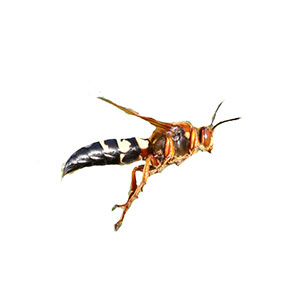
Cicada killer wasps are known for their large size, striped black and yellow appearance, and frequent activity hovering over lawns and garden beds.
- Actual Size 15 to 50 mm
- Characteristics Very large wasps with bold black and yellow striped bodies, strong wings, and powerful legs.
- Legs 6
- Antennae Yes
- Wings Yes
What Do Cicada Killer Wasps Do?
Rather than feeding on pollen, cicada killer wasps consume nectar and are most visible when they are active over turf and loose soil while establishing burrows.
- Large, solitary wasps known for hunting cicadas as food for their larvae.
- They typically dig burrows in sandy or loose soil where they create underground nesting chambers.
- Despite their intimidating size, cicada killer wasps are not aggressive toward people.
- Their nests often appear as small mounds of soil with visible entrance holes in lawns or garden areas.
Where Do You Find Cicada Killer Wasps?
These large solitary wasps are often found in sunny, loose soil environments where they create underground nests and search for cicadas. Common places you’ll find cicada killer wasps include:
- Sandy or loose soil in residential lawns
- Garden beds with bare or lightly covered soil
- Open, sunny yards with minimal ground cover
- Golf course roughs and sandy turf areas
- Flower beds with exposed dirt patches
- Along sidewalks, driveways, and landscape edges
- Playgrounds or park areas with compacted soil
- Vacant lots or undeveloped land with dry ground
What Should I Do If I Have Cicada Killer Wasps in Georgia?
Typically low-risk, but they may become noticeable when they create numerous ground nests in lawns or landscaped areas near homes. If cicada killer wasp activity is a concern, the following steps are recommended:
- Keep children and pets away from areas with active wasp activity.
- Limit lawn mowing or heavy foot traffic near visible burrow sites.
- Reduce bare soil exposure by adding grass seed, mulch, or ground cover where appropriate.
- Avoid spraying or attempting to treat burrows directly, as this can increase defensive behavior.
- Monitor the area over time to see if activity decreases naturally after the peak summer season.
- Contact professional pest control if activity is widespread or located near high-traffic areas.
Top 5 FAQs About Cicada Killer Wasps in Georgia
Have questions about cicada killer wasps? Check out our FAQ section below. For additional information, reach out by phone or email.
Why do cicada killer wasps dig in my yard?
Females dig burrows in loose or sandy soil to create underground nesting chambers for their eggs.
What do cicada killer wasps eat?
Adults feed on nectar and plant juices, while larvae feed on paralyzed cicadas provided by the female.
When are cicada killer wasps most active?
They are most active during the summer when cicadas are abundant and nesting activity peaks.
Do cicada killer wasps damage lawns?
Their burrowing may create small mounds in turf, but they typically do not cause serious lawn damage.
When should I call a professional for cicada killer wasps?
Contact a pest control professional if burrowing activity is widespread, persistent, or located in high-traffic areas.