Varied Carpet Beetles in Georgia

Health RiskLow
Damage RiskLow
NuisanceLow
How to Identify Varied Carpet Beetles
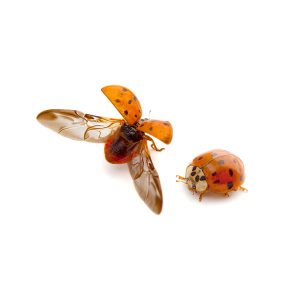
Varied carpet beetles are tiny, rounded beetles with patterned wing covers. Adult varied carpet beetles are harmless and non-destructive, but having a varied carpet beetle infestation can be a problem because of their larvae, which feed on textiles and fibers like carpet and fabric.
- Actual Size About 2 to 3.5 mm
- Characteristics Small, oval-shaped beetles with mottled black, white, and yellow patterned scales on their wing covers, giving them a speckled appearance (though older beetles may lose these scales and appear solid brown or black) .
- Legs 6
- Antennae Yes
- Wings Yes, with hard protective outer wing covers
What Do Varied Carpet Beetles Do?
Varied carpet beetles move throughout indoor environments where wool, fur, and other natural materials are present. Individual carpet beetles are tiny and tough to spot, but they become more noticeable as infestations develop over time.
- Adult varied carpet beetles lay eggs in hidden areas such as carpet edges, clothing folds, furniture seams, and other locations where natural fibers are present, allowing varied carpet beetle larvae to develop out of sight.
- Infestations often go unnoticed for long periods because larvae tend to hide in dark, undisturbed areas like closets, baseboards, and upholstered furniture.
- They are most likely to become a problem in homes with abundant natural fibers, stored textiles, or animal-derived materials.
- Adult varied carpet beetles typically feed on pollen and nectar outdoors and often end up in homes because the homeowner unknowingly brought them inside on cut flowers. This is one of the most common ways adults are brought directly into a home. Homeowners cut beautiful flowers from their gardens and put them in a vase, inadvertently setting off an infestation.
- They may also accidentally enter homes through windows and doors.
Where Do You Find Varied Carpet Beetles?
Varied carpet beetles are often found in locations containing stored textiles, upholstered furniture, or natural fiber products. Places you’re more likely to encounter varied carpet beetles include:
- Closets containing stored clothing, especially wool, silk, or fur items
- Upholstered furniture such as sofas, chairs, and recliners
- Attics where undisturbed fabrics, rugs, or stored textiles are kept
- Basements with cardboard boxes, old clothing, or natural fiber materials
- Carpets and rugs made from wool or other animal-based fibers
- Air ducts and vents where lint, hair, and debris can accumulate
- Storage areas with taxidermy, feathers, or animal hides
- Window sills and light fixtures where adult beetles are attracted to sunlight and may gather
What Should I Do If I Have Varied Carpet Beetles in Georgia?
If you’re becoming concerned about varied carpet beetles in your home, we recommend the following steps:
- Inspect closets, storage boxes, carpets, and upholstered furniture to locate signs of larvae, shed skins, or damage.
- Wash infested clothing, bedding, and fabrics in hot water and dry them on high heat to kill all life stages.
- Vacuum thoroughly, focusing on carpets, baseboards, furniture seams, and hidden corners where eggs and larvae may be present.
- Dispose of heavily infested items that cannot be effectively cleaned or treated.
- Reduce indoor lint, pet hair, and organic debris that can serve as food for larvae.
- Seal cracks, gaps, and entry points around windows, doors, and baseboards to limit adult beetle access.
- Contact a professional pest control service if the infestation continues or spreads despite cleaning and prevention efforts.
Top 5 FAQs About Varied Carpet Beetles in Georgia
If you have questions about varied carpet beetles, get started with the FAQ section below. Don’t see your answer here? Contact us by phone or email if you have additional questions.
Why am I suddenly finding dead, tiny beetles on my window sills?
This is actually due to their natural instincts. While carpet beetle larvae prefer dark, hidden corners, the adults are highly attracted to light (a behavior called positive phototaxis).
Once the larvae mature and pupate into adult beetles inside your home, their immediate goal is to get outside to mate and feed on flower pollen. They fly toward the brightest light sources—your windows—but become trapped by the glass. Unable to escape, they eventually dehydrate and die on the sill. Finding multiple dead beetles on your window sills is often the first clear indicator that you have an active larval infestation deeper inside the house.
Once the larvae mature and pupate into adult beetles inside your home, their immediate goal is to get outside to mate and feed on flower pollen. They fly toward the brightest light sources—your windows—but become trapped by the glass. Unable to escape, they eventually dehydrate and die on the sill. Finding multiple dead beetles on your window sills is often the first clear indicator that you have an active larval infestation deeper inside the house.
Do adult carpet beetles bite or sting?
No, adult carpet beetles do not bite or sting. They do not possess a stinger, and their mouthparts are adapted solely for chewing soft plant material, nectar, and pollen. They are entirely physically harmless to humans and pets.
If you are experiencing itchy bumps or skin irritation, it is not from the adults. Instead, it is likely an allergic reaction to the tiny, prickly hairs shed by carpet beetle larvae hiding in your carpets, furniture, or bedding.
If you are experiencing itchy bumps or skin irritation, it is not from the adults. Instead, it is likely an allergic reaction to the tiny, prickly hairs shed by carpet beetle larvae hiding in your carpets, furniture, or bedding.
Is there a specific time of year when adult carpet beetles emerge and become active?
Yes. You are most likely to see adult carpet beetles indoors during spring and early summer (typically from April through June).
As outdoor temperatures warm up, the larvae that have spent the winter feeding indoors finish their development, pupate, and emerge as adults. This sudden spring "explosion" of tiny speckled beetles on your walls and windows is simply their natural life cycle shifting gears as they try to head outdoors to breed.
As outdoor temperatures warm up, the larvae that have spent the winter feeding indoors finish their development, pupate, and emerge as adults. This sudden spring "explosion" of tiny speckled beetles on your walls and windows is simply their natural life cycle shifting gears as they try to head outdoors to breed.
How do I prevent adult beetles from flying in when I bring cut flowers inside?
Because adult carpet beetles feed on pollen and nectar, bringing fresh-cut garden flowers indoors is one of the most common ways people accidentally introduce them. To keep them out:
• The Shake Method: Give all cut flowers a vigorous shake upside down while still outside to dislodge any hiding beetles.
• Cold Water Rinse: If the blooms are hardy, gently dip or spray the flower heads with cool water outside to wash away any lingering insects.
• Vase Inspection: Carefully inspect the petals, especially light-colored ones like daisies, lilacs, or baby's breath, which are their absolute favorites.
Do window screens actually stop adult carpet beetles, or are they small enough to crawl through?
Standard, tightly fitted window screens (usually an 18×16 mesh) will stop adult carpet beetles from flying or crawling directly through the mesh, as the beetles are typically 2 to 3.5 mm wide.
However, they can easily bypass screens in a few other ways:
• Gaps and Tears: They will readily crawl through tiny tears in the mesh or gaps between the screen frame and the window frame.
• Loose Fits: If your screens are slightly loose or warped, these tiny beetles can easily squeeze around the edges.
• Crawling Under Sills: They can crawl through the tiny weep holes at the bottom of vinyl window frames if the exterior covers are missing.