Smokybrown Cockroaches in Georgia
Health RiskLow
Damage RiskLow
NuisanceLow
How to Identify Smokybrown Cockroaches
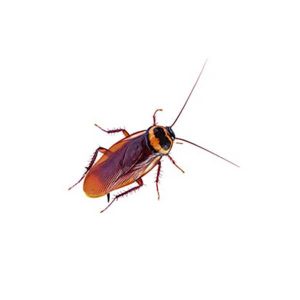
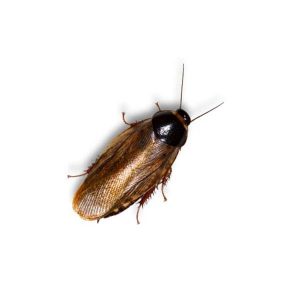
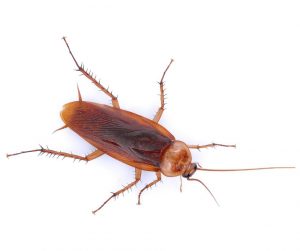
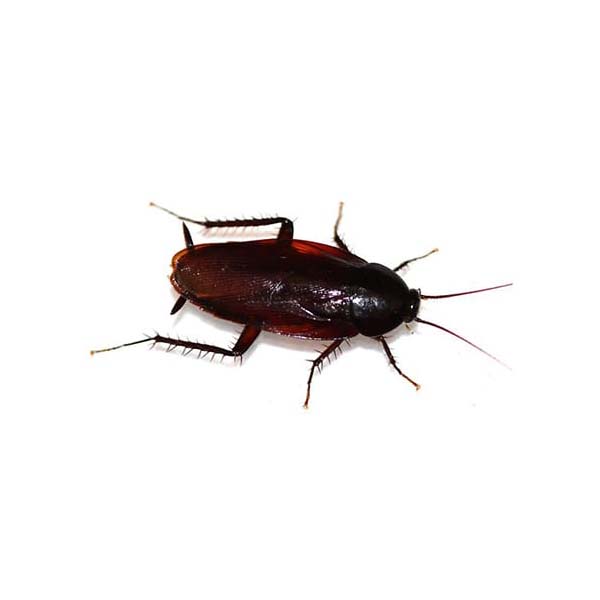
Most identifiable by their shiny, dark mahogany-colored bodies, long antennae, and well-developed wings, making them capable fliers often found in warm, humid environments and around structures.
- Actual Size 1 to 1 1/2 inches long
- Characteristics Smooth, dark brown bodies with a glossy appearance, long antennae, and strong wings that allow them to fly.
- Legs 6
- Antennae Yes
- Wings Yes
What Do Smokybrown Cockroaches Do?
Smokybrown cockroaches feed on decaying materials and discarded food sources, and their active movement between outdoor habitats and buildings can result in surface contamination.
- They are strong fliers and are commonly attracted to lights at night, especially around homes and buildings.
- They typically live outdoors in tree canopies, mulch, leaf litter, and other moist organic debris.
- These cockroaches often enter homes through rooflines, attics, vents, and openings near upper levels of structures.
- Although they are not aggressive toward humans, they can contaminate surfaces and may contribute to unpleasant odors in infested areas.
Where Do You Find Smokybrown Cockroaches?
Typically associated with warm, humid environments that provide moisture and decaying organic matter, and they often become more visible during periods of high humidity. Common places you’re likely to encounter smokybrown cockroaches include:
- In tree canopies and wooded areas
- Around rooflines, soffits, and attic spaces
- Inside gutters and downspouts
- In mulch beds, leaf litter, and landscaped yard areas
- Around porches, decks, and exterior lighting fixtures at night
- Inside attics and upper wall voids
- Near outdoor trash bins, compost piles, and recycling areas
- Around warm, humid exterior walls and shaded areas of buildings
What Should I Do If I Have Smokybrown Cockroaches in Georgia?
Can contribute to unsanitary conditions when they invade homes from outdoor harborage sites such as mulch beds, roof voids, and wooded areas. If smokybrown cockroaches are becoming a problem, the following steps are recommended:
- Reduce outdoor lighting at night since smokybrown cockroaches are strongly attracted to bright lights around buildings.
- Seal gaps and openings around rooflines, soffits, vents, and windows to help prevent entry into the home.
- Trim trees and remove overhanging branches that allow cockroaches easy access to roofs and attic areas.
- Keep gutters clean and free of leaves and organic debris that can attract and act as shelter.
- Eliminate standing water and repair moisture issues around the exterior of the home to reduce favorable conditions.
- Store trash in tightly sealed containers and clean outdoor waste areas regularly to limit food sources.
- Contact professional cockroach control if the infestation continues or spreads, as targeted treatment may be needed to eliminate hidden populations.
Top 5 FAQs About Smokybrown Cockroaches in Georgia
Have questions about smokybrown cockroaches? Start with the FAQ section below, and reach out by phone or email if you need additional support.
Why are smokybrown cockroaches attracted to homes?
They are drawn to lights, moisture, and sheltered areas such as attics, soffits, and rooflines, especially in warm weather.
Are smokybrown cockroaches dangerous to humans?
They do not bite or sting, but they can spread bacteria and contaminate surfaces and food if they enter indoor areas.
How do smokybrown cockroaches get inside homes?
They commonly enter through roof vents, attic openings, gaps in soffits, and spaces around windows or siding.
What are the signs of a smokybrown cockroach infestation?
Signs include sightings near exterior lights, droppings, egg cases, and occasional indoor appearances in upper areas like attics.
How do you get rid of smokybrown cockroaches?
Effective control includes sealing entry points, reducing moisture and debris, and using targeted treatments or professional cockroach control services if needed.