Blow Flies in Georgia

Health RiskHigh
Damage RiskNo Risk
NuisanceMedium
How to Identify Blow Flies
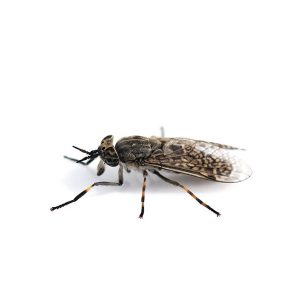
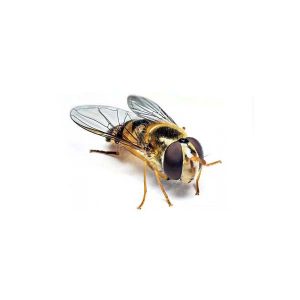
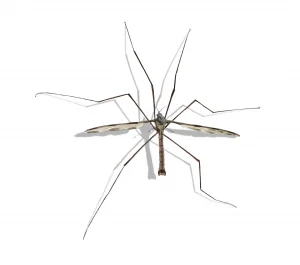
Blow flies are known for their shiny blue, green, or bronze bodies, buzzing flight patterns, and tendency to gather around garbage and carrion.
- Actual Size 6 to 14 mm
- Characteristics Medium-sized flies with metallic blue, green, or bronze bodies.
- Legs 6
- Antennae Yes
- Wings Yes, with one pair of transparent wings
What Do Blow Flies Do?
Blow flies seek out decomposing materials for feeding and reproduction and are frequently found around garbage bins, dead animals, and pet waste.
- Female blow flies lay clusters of eggs on decomposing material, where larvae can quickly develop.
- Blow fly larvae, commonly called maggots, feed on decaying organic matter as they mature.
- Capable of rapid flight and are known for their loud buzzing sound indoors.
- Large numbers indoors may indicate a hidden dead animal, clogged drain, or sanitation issue nearby.
Where Do You Find Blow Flies?
Blow flies are frequently seen near dumpsters, pet waste, dead animals, and outdoor trash containers, where they search for breeding sites. Other common places you’ll find blow flies include:
- Compost piles
- Spoiled food storage areas
- Animal shelters and barns
- Slaughterhouses and meat processing facilities
- Kitchens and food preparation areas
- Restaurants and grocery store dumpsters
- Drains with organic buildup
- Attics or wall voids containing dead rodents
- Campsites and picnic areas
- Roadkill along roadsides
- Sewage or waste disposal sites
What Should I Do If I Have Blow Flies in Georgia?
These flies can become difficult to manage once they locate suitable breeding sites around a property. If blow flies are creating nuisance problems, the following steps are recommended:
- Locate and remove sources of decaying organic matter.
- Empty and clean garbage cans regularly.
- Dispose of spoiled food promptly.
- Check for dead animals in attics, crawl spaces, or wall voids.
- Clean drains and areas with organic buildup.
- Store trash in tightly sealed containers.
- Pick up pet waste frequently.
- Keep windows and doors closed or properly screened.
- Contact a professional pest control company to inspect the property, identify hidden breeding sites, and effectively eliminate blow fly infestations.
Top 5 FAQs About Blow Flies in Georgia
To learn more about blow flies, review the frequently asked questions provided below. If you still have concerns, feel free to get in touch by phone or email.
Why are blow flies in my home?
Blow flies often enter homes when they are attracted to strong odors from garbage, spoiled food, or a hidden source like a dead animal inside walls, attics, or crawl spaces.
Are blow flies dangerous to humans?
Blow flies are not known to bite or sting, but they can pose a health concern because they may spread bacteria from decaying materials to food and surfaces.
Where do blow flies lay their eggs?
Blow flies lay eggs on decaying organic material such as dead animals, spoiled food, trash, or organic waste in warm, moist environments.
What do blow fly larvae look like?
Blow fly larvae, commonly called maggots, are small, pale, legless worms that feed on decomposing organic matter as they grow.
How do I get rid of blow flies?
Remove breeding sources like trash or decaying matter and clean thoroughly. If the problem continues or you can’t find the source, contact a pest control professional.