Cluster Flies in Georgia
Health RiskNo Risk
Damage RiskNo Risk
NuisanceMedium
How to Identify Cluster Flies
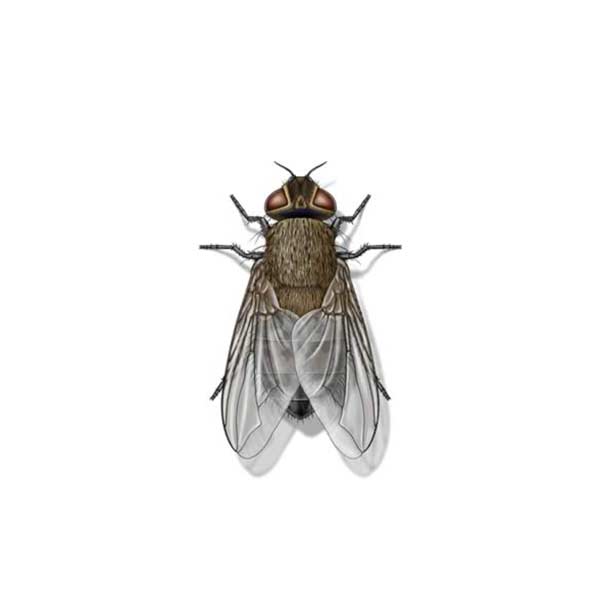
These flies are identified by their non-metallic gray appearance, slow, erratic flight, and tendency to cluster indoors when temperatures drop.
- Actual Size 6 to 10 mm
- Characteristics Medium-sized flies with dark gray, non-metallic bodies.
- Legs 6
- Antennae Yes
- Wings Yes, with one pair of transparent wings
What Do Cluster Flies Do?
Cluster flies are associated with outdoor soil environments during development and are commonly found indoors in large groups during seasonal temperature changes.
- They are commonly noticed during fall and winter when they enter structures to overwinter.
- Their larvae develop in soil where they parasitize earthworms.
- Cluster Flies often appear around windows, attics, and upper floors on warm, sunny days.
- Large indoor infestations often occur when they gain access through small cracks and openings in buildings.
Where Do You Find Cluster Flies?
Cluster flies are often seen resting on exterior walls, entering through small openings, and gathering in upper indoor spaces as they search for overwintering shelter. Other common places you’ll find cluster flies include:
- Attics and attic insulation spaces
- Wall voids and ceiling cavities
- Around windows and window frames
- Eaves, soffits, and rooflines
- Chimneys and flue areas
- Around door frames and small structural cracks
- Quiet interior corners during fall and winter
- Inside commercial buildings during colder months
What Should I Do If I Have Cluster Flies in Georgia?
Cluster flies can become difficult to control once they find entry points and sheltered areas inside a structure. If cluster flies are creating nuisance problems, the following steps are recommended:
- Seal entry points such as cracks, gaps, and openings around windows, doors, soffits, and siding.
- Install or repair window and door screens to prevent flies from entering.
- Reduce exterior attractants by keeping doors closed and minimizing gaps in the building envelope.
- Inspect attics, wall voids, and upper floors where flies commonly congregate.
- Clean and reduce clutter in storage areas where flies may settle undisturbed.
- Contact a professional pest control company for inspection, targeted treatment, and long-term prevention strategies.
Top 5 FAQs About Cluster Flies in Georgia
If you want to better understand cluster flies, start with the FAQs below. If you still need help, contact us by phone or email.
Why are cluster flies in my home?
They typically enter homes seeking warm, sheltered spaces such as attics, wall voids, and upper floors to survive colder temperatures.
Do cluster flies bite or sting?
No, cluster flies do not bite, sting, or feed on blood. They are mainly a nuisance pest.
Where do cluster flies come from?
Cluster flies develop outdoors in soil where they parasitize earthworms during their larval stage before becoming adults.
How do cluster flies get inside buildings?
They enter through small cracks, gaps, vents, and openings in roofs, siding, and window frames.
How do I get rid of cluster flies?
Vacuum indoors, seal entry points, and reduce shelter areas. Call a pest control professional if infestations persist or spread.