Drain Flies in Georgia
Health RiskMedium
Damage RiskNo Risk
NuisanceMedium
How to Identify Drain Flies
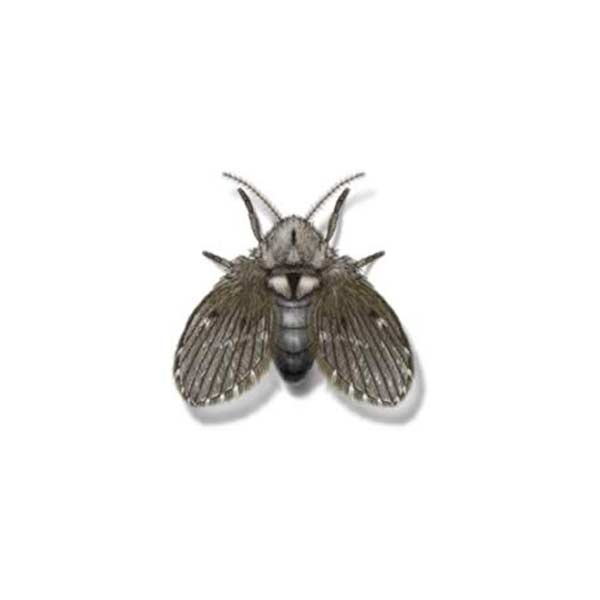
Drain flies are identified by their small, fuzzy gray bodies, moth-like appearance, and weak, fluttering flight that keeps them close to sinks and drains.
- Actual Size 2 to 5 mm
- Characteristics Tiny, moth-like flies with hairy bodies and short, erratic flight patterns.
- Legs 6
- Antennae Yes
- Wings Yes, one pair of fuzzy wings
What Do Drain Flies Do?
They develop in the gelatinous buildup found in drains and sewage systems and are frequently spotted around bathrooms and kitchens where moisture is constant.
- Dvelop in the gelatinous organic matter found inside drains, sewer lines, and other damp environments.
- Most active in bathrooms, kitchens, and other areas with persistent moisture and poor drainage.
- Large numbers of drain flies indoors may indicate a buildup of organic material inside plumbing or drainage systems.
- Drain flies can reproduce quickly in favorable conditions, especially where moisture and organic waste are consistently present.
Where Do You Find Drain Flies?
Drain flies are commonly noticed around wet, poorly drained areas inside homes, where they gather and reproduce in organic sludge. Other common places you’ll find drain flies include:
- Bathroom sinks and drain openings
- Kitchen sinks and garbage disposals
- Shower drains and bathtub drains
- Floor drains in basements and laundry rooms
- Around toilets and plumbing fixtures with leaks
- Sewage systems and sewer lines
- Areas with standing or stagnant water indoors
- Grease traps in commercial kitchens
- Moist, organic buildup inside pipes and plumbing
- Utility rooms with poor drainage or humidity issues
- Restaurant kitchens and food prep drains
- Any damp area with organic sludge buildup in plumbing systems
What Should I Do If I Have Drain Flies in Georgia?
Drain flies can become a persistent indoor nuisance when they emerge from drains and gather around sinks, tubs, and other moist areas. If drain flies are causing problems, the following steps are recommended:
- Clean and scrub drain openings using a drain brush to remove organic buildup.
- Flush drains regularly with hot water to help break down residue.
- Use enzymatic drain cleaners to eliminate organic sludge where drain flies breed.
- Repair any leaky pipes or standing water issues under sinks or around fixtures.
- Keep sinks, tubs, and floor drains dry when not in use if possible.
- Remove food debris and grease buildup from kitchen sinks and disposals.
- Regularly clean garbage disposals and drain traps where organic material accumulates.
- Contact a professional pest control company if drain flies persist, as they can identify breeding sources within plumbing systems and recommend targeted treatments.
Top 5 FAQs About Drain Flies in Georgia
To get answers about drain flies, start with the frequently asked questions below. If you still need assistance, feel free to contact us by phone or email.
Why do I have drain flies in my home?
They usually appear when organic material builds up inside drains, pipes, or other moist areas where they can breed.
Do drain flies bite?
No, drain flies do not bite humans or pets.
How do I get rid of drain flies?
Cleaning and scrubbing drains, removing organic buildup, and using enzymatic cleaners can help eliminate breeding sites.
Why do drain flies keep coming back?
They often return if the source of organic buildup in drains or plumbing is not fully removed.
When should I call a pest control professional for drain flies?
If drain flies keep coming back or you can’t find the source, a pest control professional can locate breeding areas and treat the problem.