Fruit Flies in Georgia
Health RiskMedium
Damage RiskNo Risk
NuisanceMedium
How to Identify Fruit Flies
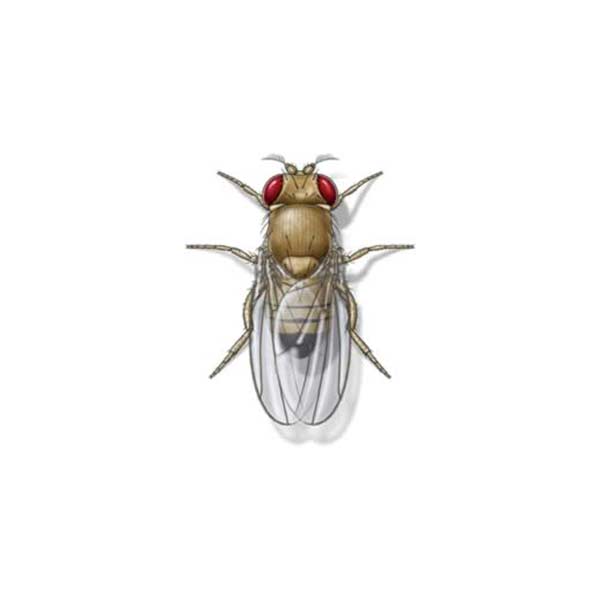
Fruit flies are characterized by their small bodies, prominent eyes, and rapid, hovering flight that makes them common around overripe produce.
- Actual Size 2 to 4 mm
- Characteristics Tiny flies with light brown bodies and distinctive red eyes.
- Legs 6
- Antennae Yes
- Wings Yes, a single pair of transparent wings
What Do Fruit Flies Do?
Fruit flies breed in moist, sugary organic material such as rotting fruit and juice residue, and are frequently noticed in areas where food is stored or prepared.
- Most active in areas where food is exposed, especially around fruit bowls, trash cans, and kitchen counters.
- They can reproduce very quickly in warm conditions where fermenting organic matter is readily available.
- They are frequently seen hovering around sinks, drains, and garbage disposals when food particles are present.
- Fruit fly infestations often persist when the source of decaying organic material is not located and removed.
Where Do You Find Fruit Flies?
Fruit flies are frequently found in homes around food prep areas and trash bins, where they multiply in leftover fruit and food residue. Other common places you’ll find fruit flies include:
- Kitchens and food prep areas
- Fruit bowls and countertop produce displays
- Garbage cans and trash bins with food waste
- Recycling bins with sticky residue or food containers
- Pantries with ripening or stored produce
- Around sinks with food particles or drain residue
- Restaurants and commercial kitchens
- Grocery stores in produce and storage areas
What Should I Do If I Have Fruit Flies in Georgia?
Fruit flies can quickly become a recurring indoor issue when they breed in overripe produce and collect around food prep areas and garbage bins. If fruit flies are causing problems, the following steps are recommended:
- Remove all overripe or rotting fruit from countertops immediately.
- Store fruits and vegetables in the refrigerator when possible.
- Empty trash and recycling bins regularly, especially if they contain food waste.
- Clean up spills, juice residue, and sticky spots on counters and floors.
- Take out garbage frequently and use sealed trash bins.
- Clean drains and sink areas where food particles may collect.
- Set fruit fly traps (vinegar traps or commercial options) to reduce populations.
- Keep kitchen surfaces clean and dry to eliminate breeding sources.
- Contact a pest control professional if fruit fly infestations persist or spread despite cleaning efforts.
Top 5 FAQs About Fruit Flies in Georgia
To better understand fruit flies, start with the FAQs provided below. If you still need support, feel free to get in touch by phone or email.
Why do I have fruit flies in my home?
They are usually drawn indoors by overripe fruit, food spills, garbage, or other fermenting organic material.
How long do fruit flies live?
Adult fruit flies typically live about 1 to 2 weeks, but they can reproduce rapidly in that time.
How do I get rid of fruit flies?
Remove all food sources, clean surfaces thoroughly, take out trash regularly, and use traps such as vinegar or commercial fly traps.
Why are fruit flies so hard to eliminate?
They reproduce quickly and can develop in very small amounts of organic material that are easy to overlook.
When should I call a pest control professional for fruit flies?
If fruit flies continue to appear after cleaning and removing food sources, a pest control professional can help locate hidden breeding sites and eliminate the infestation.