Non-Biting Midges in Georgia
Health RiskNo Risk
Damage RiskNo Risk
NuisanceMedium
How to Identify Midges
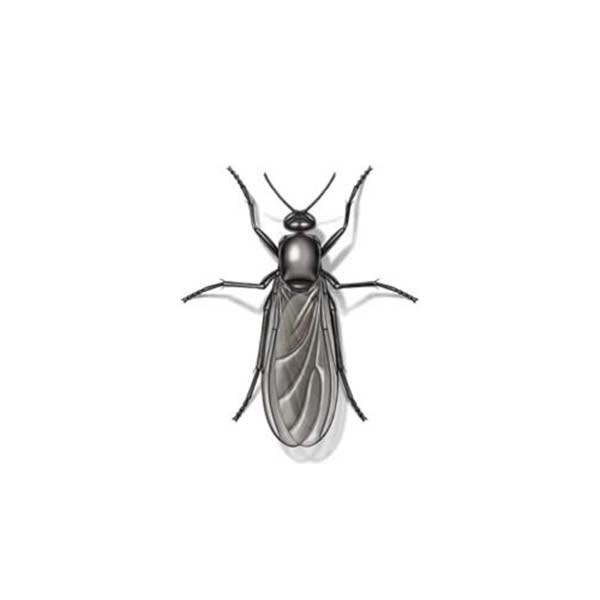
These insects are identified by their small, slender bodies and erratic, drifting flight patterns that often gather near windows and moist environments. True midges belong to the Chironomidae family, but because they’re so tiny and accurate identification can be a challenge, they’re often referred to by the imprecise term “gnats,” which is also sometimes used as a catch-all for various fly species. Non-biting midges may also go by different regional nicknames, including blind mosquitoes, lake flies, chironomids, muffleheads and gnats.
- Actual Size 2 to 6 mm
- Characteristics Tiny, delicate insects with slender bodies and a mosquito-like appearance.
- Legs 6
- Antennae Yes
- Wings Yes, one pair of transparent wings
What Do Midges and Gnats Do?
They develop in moist organic buildup, such as algae, plant debris, and wet soil, and are often seen swarming near streams, ponds, and other aquatic environments.
- They often develop in or near water sources such as ponds, lakes, streams, and wetlands.
- Large swarms of midges are commonly seen near lights at night, especially in warm, humid weather.
- Non-biting gnats can become a nuisance when they emerge in large numbers from nearby water or damp environments.
- They are often mistaken for mosquitoes, but they lack the ability to bite or transmit blood-borne diseases.
Where Do You Find Non-Biting Midges?
Non-biting gnats/midges are frequently observed near rivers, ponds, and marshy areas, where they reproduce in water-rich environments with decaying organic matter. Other common places you’ll find gnats/midges include:
- Lakeshores and pond edges
- Marshes and wetlands
- Streams, rivers, and creek banks
- Swampy or low-lying flood-prone areas
- Gardens with consistently moist soil
- Areas with standing water outdoors
- Irrigated lawns and overwatered landscapes
- Around outdoor lights near water sources
What Should I Do If I Have Non-Biting Midges in Georgia?
Non-biting gnats/midges can become a persistent outdoor nuisance when they breed in wet soil and aquatic environments and gather in large swarms near lights and humid areas. If gnats/midges are causing problems, the following steps are recommended:
- Reduce standing water around your property, including puddles, buckets, and clogged gutters.
- Improve drainage in yards and landscaping to prevent overly wet soil conditions.
- Turn off or reduce outdoor lighting at night to limit attraction to swarming adults.
- Install or repair window and door screens to prevent entry indoors.
- Keep windows closed during peak midge activity, especially at dusk and nighttime.
- Use fans in outdoor seating areas to disrupt their weak flight patterns.
- Contact a pest control professional if swarms become persistent or begin entering structures regularly.
Top 5 FAQs About Non-Biting Midges in Georgia
If you have questions about non-biting gnats/midges, begin with the FAQs below. If you still need assistance, get in touch by phone or email.
Why are there so many around my home?
They are usually attracted to moisture, standing water, and humid conditions near lakes, ponds, or poorly drained areas.
What do non-biting midges eat?
Adult midges typically do not feed much, while larvae feed on organic material, algae, or microscopic debris in water or soil.
Why do they swarm around lights?
They are strongly attracted to light sources, especially at night, which is why they often gather around outdoor lighting.
Can non-biting gnats damage plants or property?
Generally, no, although large swarms can be a nuisance, and some larvae may affect aquatic ecosystems in large numbers.
When should I contact a pest control professional for midges?
If swarms become persistent around your home or regularly enter indoor spaces, a fly control professional can help identify breeding sources and recommend control strategies.