House Flies in Georgia
Health RiskHigh
Damage RiskNo Risk
NuisanceHigh
How to Identify House Flies
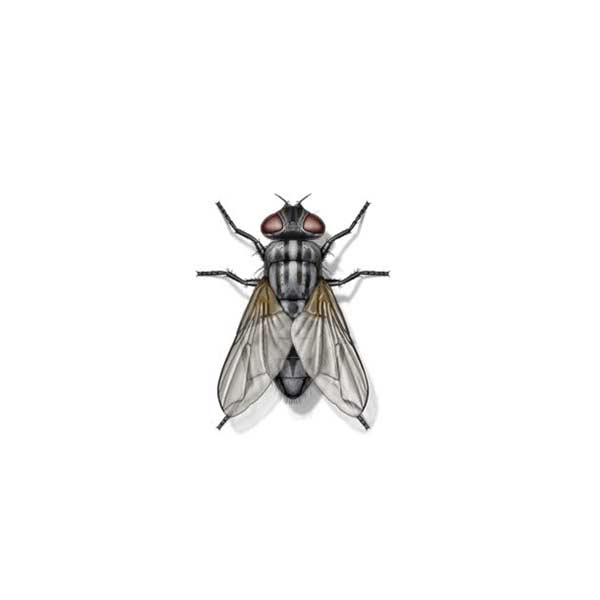
House flies are characterized by their quick, erratic flight and constant scavenging behavior, often seen around food, trash, and human activity areas.
- Actual Size 6 to 7 mm
- Characteristics Small gray flies with sponging mouthparts, known for their fast movement.
- Legs 6
- Antennae Yes
- Wings Yes, one pair of clear wings
What Do House Flies Do?
These flies reproduce in areas with rotting organic debris and are often seen around trash bins, compost piles, and food preparation spaces.
- They do not bite, but they use sponge-like mouthparts to dissolve and consume liquid food sources.
- Strong, fast fliers that can quickly move between trash, food, and indoor spaces.
- Can contaminate food and surfaces by carrying bacteria picked up from unsanitary materials.
- They often land repeatedly on different surfaces, increasing the risk of spreading germs.
Where Do You Find House Flies?
House flies are frequently spotted near dumpsters, picnic areas, and livestock facilities where food residue and waste are available. They develop in wet, rotting organic matter and are highly adaptable to urban and rural environments. Other common places you’ll find house flies include:
- Kitchens where food is being prepared or left uncovered
- Garbage cans and trash bins, especially when not sealed tightly
- Dumpsters behind restaurants, stores, and apartments
- Outdoor picnic areas where food is exposed
- Farms and livestock areas with manure or animal waste
- Compost piles with decaying organic material
- Drain areas and sinks with food residue buildup
- Pet feeding areas where food or waste is left out
What Should I Do If I Have House Flies in Georgia?
House flies are found around kitchens, dumpsters, and outdoor eating areas, constantly moving between surfaces and contaminating food. If house flies are causing problems, the following steps are recommended:
- Keep trash cans tightly sealed and empty them regularly.
- Clean up food spills and crumbs immediately.
- Wash dishes promptly and avoid leaving dirty dishes out.
- Clean garbage disposals and drains to remove buildup.
- Remove pet waste from yards or litter boxes frequently.
- Use screens on windows and doors to block entry.
- Clean outdoor areas like patios, grills, and picnic tables after use.
- Use fly traps or sticky strips in areas where flies are active.
- Contact a professional pest control service if house flies persist, as they can identify the source of the infestation, treat breeding areas, and help prevent future outbreaks.
Top 5 FAQs About House Flies in Georgia
Check the FAQs below to learn more about house flies. If you still need help, contact us by phone or email.
Are house flies dangerous?
Yes, house flies can spread harmful bacteria and pathogens because they land on contaminated surfaces and then on food or kitchen areas.
Why are house flies in my home?
House flies are attracted to food scraps, trash, pet waste, and other organic material that provides a place to feed and reproduce.
How can I prevent house flies?
Keep food sealed, clean up spills quickly, take out trash regularly, and eliminate standing water or decaying organic matter.
Do house flies bite people?
No, house flies do not bite. However, they can still spread germs by contaminating surfaces and food.
When should I call a pest control professional for house flies?
You should contact professional pest control if house flies persist despite cleaning efforts, as this may indicate an unseen breeding source.