Boxelder Bugs in Georgia
Health RiskLow
Damage RiskLow
NuisanceMedium
How to Identify Boxelder Bugs
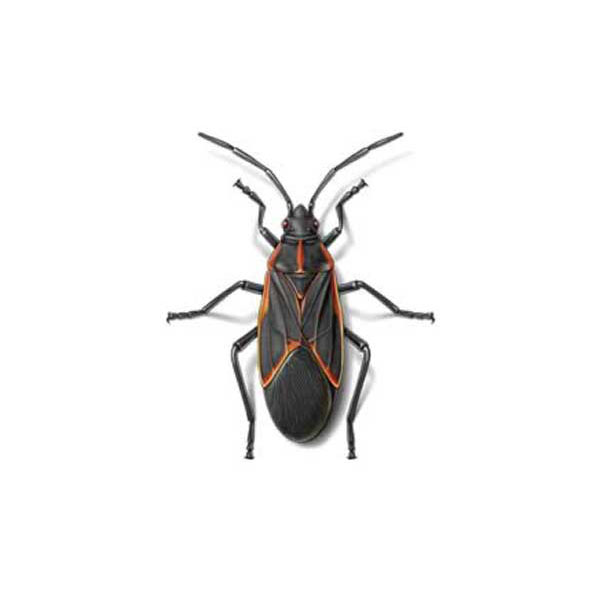
These common nuisance pests are known for their black bodies with red lines, elongated shape, and tendency to cluster on warm exterior surfaces.
- Actual Size 11 to 14 mm
- Characteristics Flattened black body with distinctive reddish-orange markings along the wings and thorax.
- Legs 6
- Antennae Yes
- Wings Yes
What Do Boxelder Bugs Do?
Boxelder bugs feed primarily on seeds, leaves, and sap from boxelder, maple, and ash trees. They often become most noticeable during cooler months when they gather on sunny exterior walls and move indoors seeking shelter.
- Feed primarily on the seeds and sap of boxelder, maple, and ash trees.
- They are most noticeable during the fall when large groups gather on warm exterior walls and windows.
- They often enter homes and buildings while searching for protected overwintering sites.
- Large indoor infestations can become a nuisance due to their odor, staining, and tendency to gather in hidden spaces.
Where Do You Find Boxelder Bugs?
Boxelder bugs are often seen near trees that produce seeds, as well as around homes and buildings where they search for warmth and shelter. Common places you’ll find boxelder bugs include:
- Around boxelder trees
- On maple trees and other seed-producing trees
- Along sunny exterior walls of homes
- Near windows and door frames
- Inside attics, garages, and wall voids
- Around decks, patios, and porches
- In gardens, landscaped yards, and flower beds
- Beneath siding, shutters, and roof overhangs
What Should I Do If I Have Boxelder Bugs in Georgia?
Boxelder bugs are not known to spread diseases to humans or animals, but they can become a major nuisance when large groups gather around homes and buildings. If you’re dealing with boxelder bugs, the following steps are highly recommended:
- Seal cracks and gaps around windows, doors, and siding.
- Repair damaged screens to help keep bugs out.
- Vacuum instead of crushing them to avoid stains and odors.
- Remove leaves, seed pods, and debris from around your home.
- Trim back boxelder and maple tree branches near the structure.
- Inspect attics, wall voids, and garages for entry points.
- Contact a professional pest control company if boxelder bug activity becomes severe.
Top 5 FAQs About Boxelder Bugs in Georgia
Have questions about boxelder bugs? Check out our most frequently asked questions below. If you still don’t see what you’re looking for, contact us by phone or email.
Are boxelder bugs dangerous?
No, boxelder bugs are not dangerous to people, pets, or structures. They do not bite or transmit diseases, but they can become a nuisance when they gather in large numbers.
Why are boxelder bugs coming into my house?
They often enter homes in the fall when temperatures drop, looking for warm places to overwinter, such as wall voids, attics, and basements.
.
.
How can I get rid of boxelder bugs inside my home?
You can vacuum them up, seal entry points, and reduce indoor access. Avoid crushing them, as they can leave stains and a strong odor.
When are boxelder bugs most active?
They are most active in spring and fall. In the fall, they often gather on buildings seeking warmth.
Should I call a professional for boxelder bugs?
Yes, if infestations are large or recurring, a pest control professional can help identify entry points and provide targeted treatment.