Firebrats in Georgia
Health RiskNo Risk
Damage RiskLow
NuisanceMedium
How to Identify Firebrats
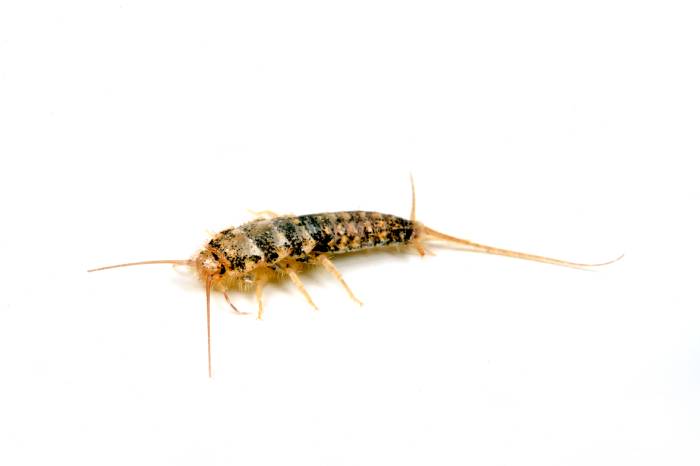
Firebrats can be identified by their elongated, flattened bodies with brownish-gray coloring, long antennae, and three tail-like appendages. They are commonly found in warm, dark areas such as attics, basements, and utility spaces.
- Actual Size Approximately 12 to 19 mm in length
- Characteristics Small, wingless pests with elongated, flattened bodies, brownish-gray coloring, long antennae, and three tail-like appendages.
- Legs 6
- Antennae Yes
- Wings No
What Do Firebrats Do?
Firebrats typically stay concealed in dark, protected areas and may emerge from gaps, voids, and other hiding places to travel through quiet areas of homes.
- Firebrats are most active at night and typically hide during the day in cracks, gaps, and other protected spaces.
- They feed on starchy materials and may damage items such as books, wallpaper, paper products, and stored fabrics.
- They move quickly and use their long antennae to navigate dark, hidden areas.
- Firebrats can survive in warm, dry environments where other moisture-loving pests may not thrive.
Where Do You Find Firebrats?
These insects are commonly found in warm, secluded environments where they travel through wall voids, cluttered areas, and stored household materials. Common places you’ll find firebrats include:
- Near furnaces, boilers, and heating systems
- Attics and warm storage areas
- Basements and utility rooms
- Around water heaters and pipes
- Inside wall voids and cracks
- Garages, sheds, and storage spaces
- Behind appliances and in dark cabinets
- Near books, paper products, and stored materials
What Should I Do If I Have Firebrats in Georgia?
While firebrats do not pose a serious health risk, they may become an unwanted pest when they appear indoors in warm, hidden areas. If you are experiencing firebrat activity, the following steps may help:
- Seal cracks, gaps, and openings around walls, windows, doors, and utility entry points to limit access.
- Store books, paper products, clothing, and other materials in sealed containers to help prevent damage.
- Reduce excess moisture and improve ventilation in areas where firebrats are active.
- Keep warm, hidden areas such as utility rooms, attics, and storage spaces clean and regularly inspected.
- Repair leaks around pipes, sinks, and appliances to reduce conditions that support firebrat activity.
- Contact a professional pest control company if firebrat activity continues or becomes difficult to manage.
Top 5 FAQs About Firebrats in Georgia
Looking for answers about firebrats? Check out the frequently asked questions below, and contact us by phone or email with any additional concerns.
Are firebrats dangerous?
No, these insects are not considered dangerous to people. They do not bite, sting, or spread diseases, but they can become a nuisance when they appear indoors.
What do firebrats eat?
Firebrats feed on starchy materials and may consume a variety of household items, including:
• Paper products
• Books and cardboard
• Wallpaper and glue
• Fabrics and stored clothing
• Food crumbs and dried materials
• Paper products
• Books and cardboard
• Wallpaper and glue
• Fabrics and stored clothing
• Food crumbs and dried materials
Do firebrats damage property?
Yes, they can cause minor damage by feeding on items that contain starches or carbohydrates. They may damage books, paper products, wallpaper, fabrics, and other stored materials over time.
How can I prevent firebrats around my home?
You can help reduce firebrat activity by sealing entry points, reducing clutter, storing materials properly, and keeping warm storage areas clean. Lowering excess moisture and removing potential food sources can also make your home less attractive to these pests.
How can I get rid of firebrats?
Reducing hiding places, sealing cracks, and removing food sources can help control their activity. If firebrats continue to appear or become difficult to manage, a professional pest control company can inspect your home and recommend effective treatment options.