Clothes Moths in Georgia
Health RiskNo Risk
Damage RiskMedium
NuisanceMedium
How to Identify Clothes Moths
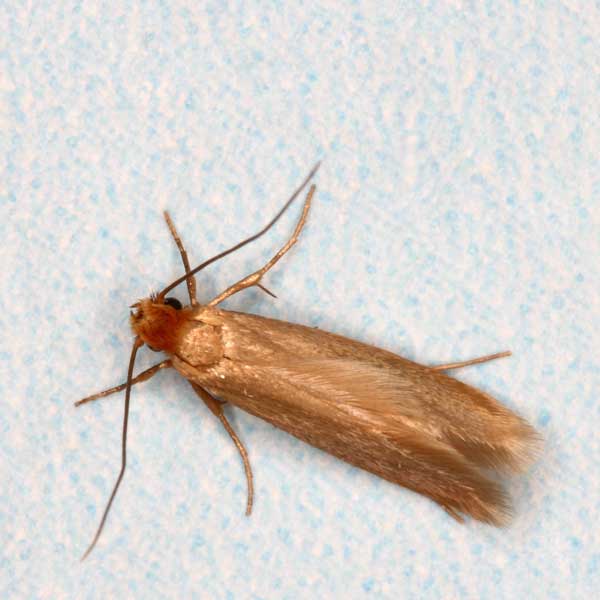
These nuisance pests are identified by their small, pale bodies and narrow wings, often seen fluttering in closets and storage areas where natural fabrics are kept.
- Actual Size 6 to 10 mm
- Characteristics Small, narrow-bodied moths with pale, golden or beige coloring as adults, while larvae are creamy white and worm-like.
- Legs 6
- Antennae Yes
- Wings Yes
What Do Clothes Moths Do?
These household pests feed on organic fibers found in fabrics, frequently going unnoticed until they spread through wardrobes and stored garments in dark, quiet spaces.
- Adult clothes moths do not feed on clothing; the damage is caused by the larvae as they grow and develop.
- Clothes moth larvae feed on natural fibers such as wool, silk, cashmere, and other animal-based materials containing keratin.
- Prefer dark, quiet, and undisturbed areas like closets, storage boxes, and folded garments.
- Infestations often go unnoticed until irregular holes appear in clothing or the fabric is weakened over time.
Where Do You Find Clothes Moths?
Clothes moths are frequently found in dark, undisturbed indoor spaces where wool, silk, or other natural fabrics are stored, clustering around materials as they feed and develop. Common places you’ll find clothes moths include:
- Closets with stored clothing
- Dressers and drawer interiors
- Attics with stored textiles
- Basements with fabric storage
- Wool rugs and carpets
- Upholstered furniture (sofas, chairs)
- Boxes of seasonal clothing
- Storage bins with natural fibers
- Hanging garments that are rarely moved or worn
- Curtain folds and drapes
What Should I Do If I Have Clothes Moths in Georgia?
Clothes moths are not considered a health risk to people or pets, but they can cause significant damage inside the home when infestations spread through fabrics, upholstery, and stored textiles. If you’re facing a clothes moth issue, the following actions are recommended:
- Thoroughly inspect closets, drawers, and storage areas for signs of damage or larvae.
- Wash or dry clean infested clothing, especially wool, silk, and other natural fibers.
- Vacuum carpets, rugs, baseboards, and upholstered furniture carefully and regularly,
- Freeze delicate or non-washable items for several days to kill eggs and larvae.
- Store clean clothing in sealed plastic bins or garment bags to prevent reinfestation.
- Remove and dispose of heavily infested items that cannot be saved.
- Reduce clutter to eliminate hidden breeding areas for moths.
- Contact professional pest control services to assess and treat severe infestations.
Top 5 FAQs About Clothes Moths in Georgia
Have questions about clothes moths? Check out our FAQ section below. If you need more help, contact us by phone or email.
What causes clothes moth infestations?
Infestations often begin when moths find access to natural fibers, especially in stored or rarely used clothing, rugs, or furniture, where larvae can feed undisturbed.
Are clothes moths dangerous to humans or pets?
No, clothes moths do not bite, sting, or transmit diseases. Their damage is limited to fabrics and other natural materials.
What types of fabrics do clothes moths prefer?
They prefer animal-based fibers such as wool, silk, cashmere, alpaca, fur, and feathers. Blended fabrics with natural fibers can also be affected.
Where are clothes moths commonly found in the home?
They are often found in closets, drawers, attics, basements, storage boxes, and anywhere natural fabrics are kept undisturbed.
How do you get rid of clothes moths?
Wash or dry clean infested items, vacuum storage areas, freeze affected fabrics, and store clean items in sealed containers. Call professional pest control if the infestation is widespread or keeps coming back.