Earwigs in Georgia
Health RiskNo Risk
Damage RiskNo Risk
NuisanceMedium
How to Identify Earwigs
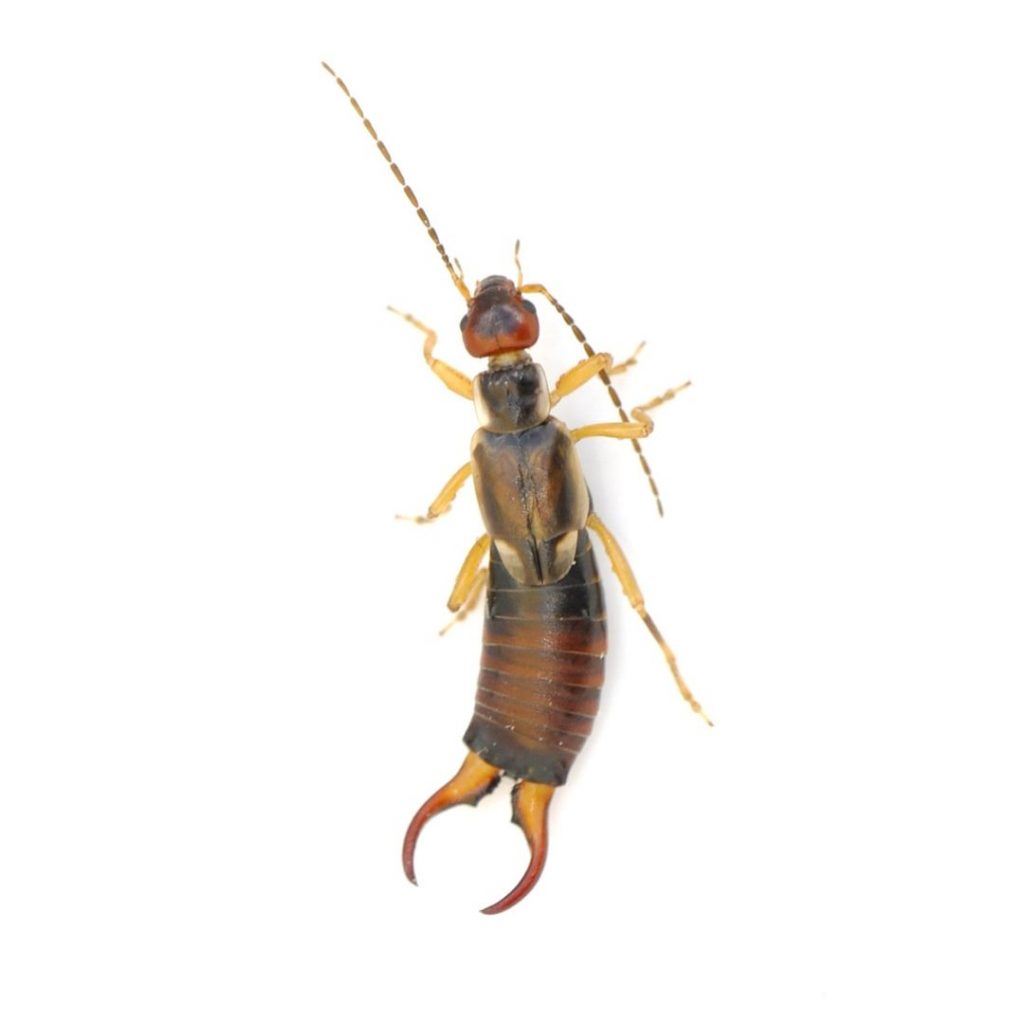
Earwigs are recognized by their long, narrow bodies and pincers at the rear, and are commonly seen crawling in moist areas like gardens, crawl spaces, and entry points into the home.
- Actual Size 5 to 25 mm
- Characteristics Elongated, dark brown to reddish-brown insects with flat bodies and distinctive pincers (cerci) at the rear.
- Legs 6
- Antennae Yes
- Wings Yes (only present in some species)
What Do Earwigs Do?
Earwigs are nocturnal pests that feed on decaying organic matter and plant material, often remaining hidden during the day in dark, moist spaces around the home.
- They have a pair of pincers called cerci on their abdomen, which they use for defense, mating, and capturing prey.
- They are omnivores, feeding on decaying plant matter, fungi, and occasionally small insects or soft plant tissue.
- Some earwig species have wings and can fly, but they rarely do so and usually prefer to crawl.
- Earwigs often enter homes during periods of heavy rain or drought while searching for shelter.
Where Do You Find Earwigs?
These insects are often found in dark, humid environments both inside and outside the home, taking refuge in cracks, crevices, and other sheltered locations. Common places you’ll find earwigs include:
- Under rocks and stones
- Mulch beds and garden soil
- Inside damp basements
- Bathrooms (around sinks and tubs)
- Crawl spaces
- Under leaf litter and yard debris
- Cracks in foundations and walls
- Around potted plants and planters
What Should I Do If I Have Earwigs in Georgia?
While not considered a health risk to people or pets, they can become a nuisance when they enter homes and gather in damp areas like basements, bathrooms, and kitchens. If you’re dealing with earwigs, the following actions are recommended:
- Reduce moisture by fixing leaks and improving drainage around the home.
- Remove leaf litter, mulch buildup, and other yard debris near the foundation.
- Seal cracks and gaps in doors, windows, and the foundation to prevent entry.
- Keep bathrooms, basements, and kitchens as dry and clean as possible.
- Shake out shoes, towels, and clothing that have been stored near the floor or outdoors.
- Move stored items off the ground and away from damp walls to reduce hiding spots.
- Contact professional pest control if earwigs are persistent, entering in large numbers, or are difficult to manage on your own.
Top 5 FAQs About Earwigs in Georgia
Got questions about earwigs? Explore our FAQ section below. If you need further help, you can reach us by phone or email.
Do Earwigs Really Crawl Into People's Ears?
Despite their name, earwigs are not known for regularly crawling into people's ears. The belief likely comes from old folklore rather than scientific evidence. While an earwig could accidentally end up in an ear, this is extremely uncommon. Earwigs prefer dark, damp environments outdoors and are more likely to hide under mulch, rocks, leaves, or other sheltered areas than seek out contact with people.
Why do earwigs come inside the house?
Earwigs typically move indoors looking for moisture, shelter, or cooler conditions during hot, dry, or overly wet weather.
What do earwigs eat?
Earwigs are omnivores. They feed on decaying plant matter, insects, fungi, and sometimes tender plants or seedlings.
Where do earwigs hide during the day?
They hide in dark, damp places such as under rocks, mulch, leaf litter, basements, bathrooms, and crawl spaces.
Are earwigs harmful to plants?
Earwigs can sometimes feed on soft plant tissue, seedlings, and flowers, but they are also known to eat other garden pests.
How do you get rid of earwigs?
Reduce moisture, remove debris, seal entry points, and use traps. Call professional pest control if infestations are heavy, recurring, or continue indoors.