House Crickets in Georgia
Health RiskNo Risk
Damage RiskLow
NuisanceMedium
How to Identify House Crickets
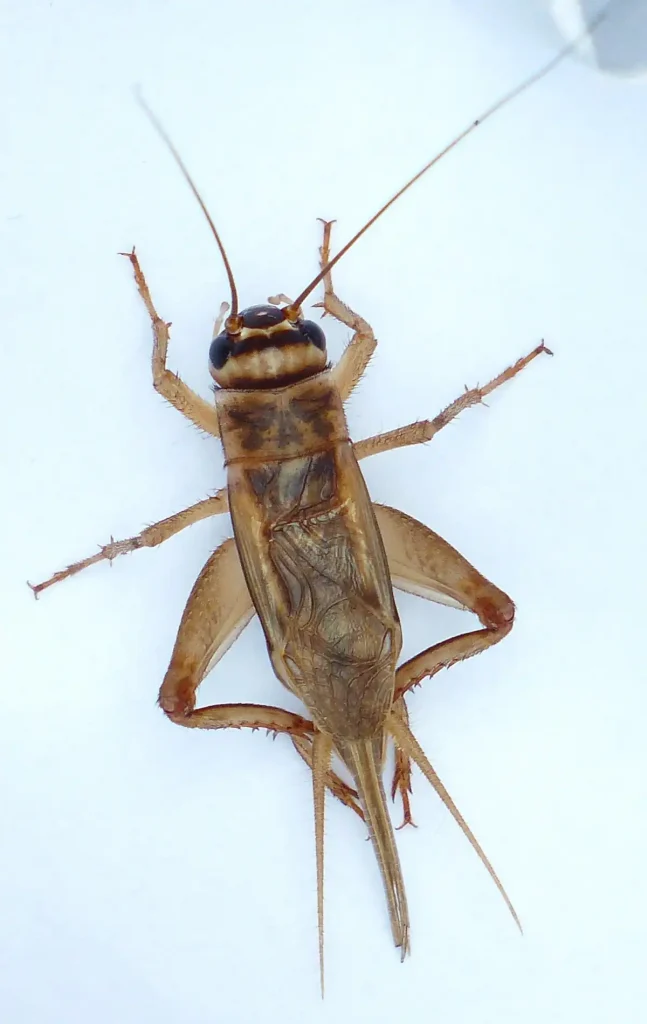
House crickets are recognized by their elongated bodies and prominent antennae, frequently found hiding in moist, sheltered indoor spaces like bathrooms, basements, and under sinks.
- Actual Size 15 to 25 mm
- Characteristics Small to medium-sized insects with light brown to dark brown bodies, long hind legs for jumping, and very long antennae.
- Legs 6
- Antennae Yes
- Wings Yes (present in some species)
What Do House Crickets Do?
House crickets prefer low-light conditions and are usually heard at night, staying hidden during the day in warm, undisturbed spaces.
- They are known for their chirping sound, which is produced by males rubbing their wings together.
- House crickets are omnivores and feed on organic materials like plant matter, fungi, and occasionally fabric or paper.
- They often enter homes during seasonal weather changes, especially in search of warmth or shelter.
- While generally harmless to humans, large numbers indoors can become a noisy and persistent nuisance.
Where Do You Find House Crickets?
House crickets tend to gather in warm, secluded indoor environments, often hiding in tight spaces, corners, and other undisturbed locations. Common places you’ll find house crickets include:
- Basements
- Crawl spaces
- Garages
- Laundry rooms
- Bathrooms
- Under sinks
- Behind appliances
- Storage areas and closets
What Should I Do If I Have House Crickets in Georgia?
While house crickets are generally harmless to humans and animals, they can become a bothersome indoor pest due to their noise and activity. If you’re dealing with house crickets, the following actions are recommended:
- Fix leaks and use dehumidifiers to lower moisture levels in damp areas.
- Seal openings around doors, windows, pipes, and foundations to block entry.
- Eliminate clutter and stacks of cardboard that provide hiding spots.
- Maintain dry, well-cleaned conditions in basements, garages, and crawl spaces.
- Limit outdoor lighting that can attract crickets at night.
- Keep firewood and yard debris stored away from the home’s exterior walls.
- Contact professional pest control if crickets continue to appear or spread throughout the home.
Top 5 FAQs About House Crickets in Georgia
Need information on house crickets? Take a look at our FAQ section below. If you need further support, don’t hesitate to reach out to us by phone or email.
Why do house crickets chirp?
Male house crickets chirp by rubbing their wings together to attract females and establish territory.
Why do house crickets come inside homes?
They often enter homes seeking warmth, moisture, and shelter, especially during extreme weather conditions.
What do house crickets eat?
House crickets are omnivores and feed on plant matter, food crumbs, fungi, and sometimes fabrics or paper.
Do house crickets cause damage to homes?
They do not damage structures, but they may occasionally chew on fabrics, paper, or stored goods.
How do you get rid of house crickets?
Reduce moisture, seal entry points, remove clutter, and use traps. Call professional pest control if infestations persist or worsen.