Webworms in Georgia
Health RiskNo Risk
Damage RiskMedium
NuisanceLow
How to Identify Webworms
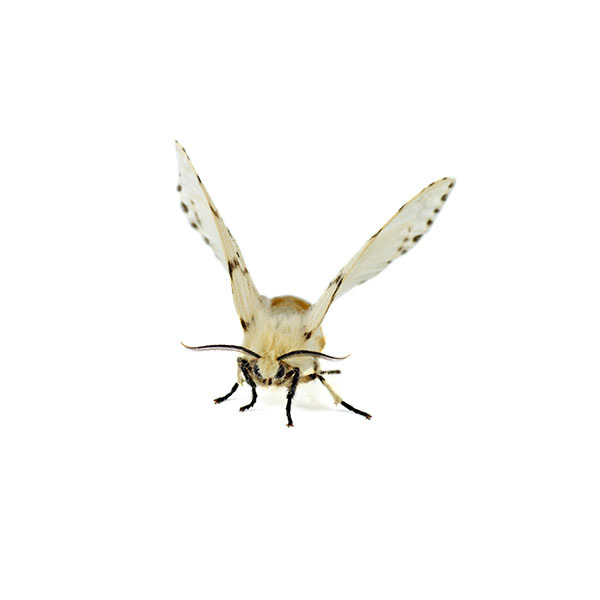
Webworms are identified by their hairy caterpillar bodies and the protective webbing they spin over leaves and branches, often visible on affected trees in late summer.
- Actual Size 20 to 30 mm
- Characteristics Typically pale yellow to light green or grayish in color, often with darker spots or stripes and a hairy appearance that can make them look fuzzy or bristly.
- Legs 6
- Antennae Yes
- Wings No (larval stage)
What Do Webworms Do?
These pests are commonly noticed during warm months, when they emerge on trees and shrubs and spin protective silk webs over leaves and branches.
- Webworms are caterpillar larvae that create large, silken webs over tree branches while feeding.
- They commonly feed on the leaves of shade trees such as pecan, walnut, and maple.
- They overwinter in protected cocoons and emerge as adult moths in the spring or summer.
- Webworm damage is often identified by large, unsightly webs and chewed or skeletonized leaves.
Where Do You Find Webworms?
Webworms are typically found in tree canopies and surrounding vegetation, where they gather in groups and build protective silken webs. Common places you’ll find webworms include:
- Shade trees such as oak, maple, and pecan
- Ornamental trees in residential landscapes
- Fruit and nut trees in orchards
- Branches covered in dense foliage
- Backyard gardens with nearby trees or shrubs
- Tree canopies during late summer and early fall
- Park and street trees in urban areas
What Should I Do If I Have Webworms in Georgia?
These pests are not harmful to people, but they can become a nuisance when they spread across trees and shrubs, forming large webs and feeding in groups. If you’re noticing webworms in your yard, the following steps are suggested:
- Prune and remove branches that are heavily covered in webbing.
- Knock down small webs with a strong stream of water from a hose.
- Regularly inspect trees and shrubs for early signs of webbing.
- Remove and destroy visible webs and caterpillar clusters when possible.
- Keep trees healthy with proper watering and fertilization to improve resilience.
- Rake up and dispose of fallen leaves and debris around affected trees.
- Contact professional pest control if infestations are widespread or recurring.
Top 5 FAQs About Webworms in Georgia
Looking for answers about webworms? Review our FAQ section below. For more support, you can contact us by phone or email.
What are webworms?
Webworms are caterpillar larvae that spin protective silk webs over tree branches while feeding on leaves in groups.
Are webworms harmful to humans?
No, webworms do not bite, sting, or pose any health risk to people or pets.
What trees do webworms usually infest?
Common hosts include pecan, walnut, maple, oak, and other broadleaf shade trees.
Do webworms kill trees?
Healthy trees usually survive infestations, but heavy feeding can cause defoliation and stress.
How can webworms be controlled?
Small infestations can be pruned or washed off. Call pest control if infestations are widespread, recurring, or severe.