Brown Widow Spiders in Georgia
Health RiskMedium
Damage RiskNo Risk
NuisanceHigh
How to Identify Brown Widow Spiders
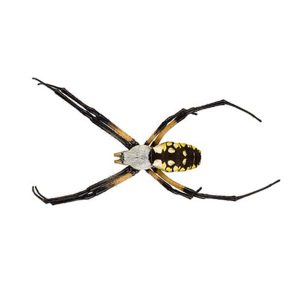
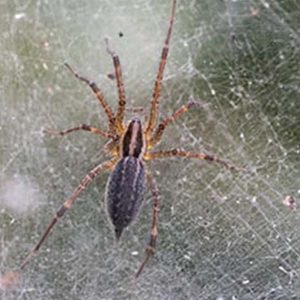
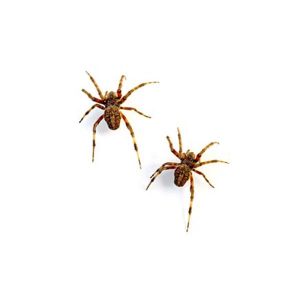
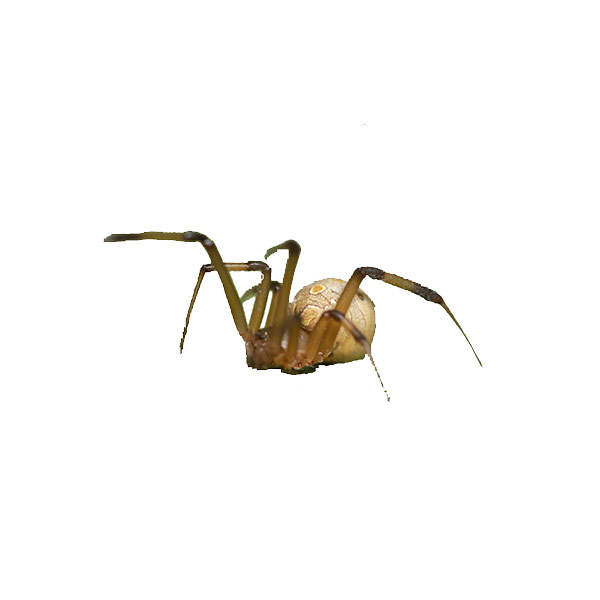
Venomous spiders with light to medium brown, smooth bodies and long, slender legs, often identified by a distinctive orange or yellow hourglass marking on the underside of the abdomen.
- Actual Size 1 to 1 ½ inch leg span
- Characteristics Light to medium brown spiders with slender legs and a uniform body color, often identified by an orange or yellow hourglass marking on the underside of the abdomen.
- Legs 8
- Antennae No
- Wings No
What Do Brown Widow Spiders Do?
Brown widow spiders are drawn to calm, sheltered locations like outdoor structures, hidden crevices, and storage areas where they can remain concealed for extended periods.
- While venomous, they are generally less dangerous than black widows. Their bites are rarely severe, though medical attention may still be needed.
- Their egg sacs are spiky in appearance. Unlike black widow egg sacs, brown widow egg sacs often have a rough, textured surface.
- They build messy, irregular webs. These webs are typically located in sheltered, low-traffic areas where prey is likely to pass.
- They can reproduce quickly in warm climates. Brown widows are especially common in southern and coastal regions where conditions are favorable year-round.
Where Do You Find Brown Widow Spiders?
Brown widow spiders commonly inhabit sheltered areas around homes and outdoor structures, preferring quiet, low-traffic spaces where they can remain hidden. Places you're likely to encounter brown widow spiders include:
- Outdoor furniture
- Fences and fence posts
- Eaves and rooflines
- Garages and storage areas
- Mailboxes and utility boxes
- Garden pots and planters
- Exterior walls and crevices
- Sheds and outdoor structures
What Should I Do If I Have Brown Widow Spiders in Georgia?
Brown widow spiders may live near homes where they can find protected areas and food sources, often building webs in low-traffic spaces. If brown widow spiders are starting to become an issue, the following steps are recommended:
- Reduce outdoor clutter such as stacked items, unused furniture, and debris where spiders may build webs.
- Wear gloves when handling stored or undisturbed items to avoid accidental contact with spiders or egg sacs.
- Seal cracks and crevices in walls, fences, and around doors or windows to limit hiding spots.
- Keep outdoor storage areas organized and elevated to reduce sheltered ground-level spaces.
- Reduce insect activity around your property since brown widow spiders feed on small insects caught in their webs.
- Contact a pest control professional if infestations persist or spiders are frequently found around living spaces.
Top 5 FAQs About Brown Widow Spiders in Georgia
Need answers about brown widow spiders? Begin with the FAQ section below, and contact us by phone or email if you have additional questions.
Are brown widow spiders dangerous?
They are venomous, but their bites are generally less severe than black widow bites. Most bites cause mild to moderate symptoms, though medical attention may still be needed.
Are brown widow spiders aggressive?
No, they are not aggressive. They usually bite only when they are pressed against the skin or feel threatened.
How do brown widow spiders get into homes?
They may enter through cracks and openings or be carried in on outdoor items such as furniture, boxes, or plants.
How can I prevent brown widow spiders around my home?
Reduce clutter, inspect outdoor items regularly, seal entry points, and keep storage areas organized and elevated.
What should I do if I find brown widow spiders?
Avoid direct contact, remove webs carefully if safe to do so, and contact a pest control professional if spider activity continues or increases.