Barn Spiders in Georgia
Health RiskLow
Damage RiskLow
NuisanceLow
How to Identify Barn Spiders
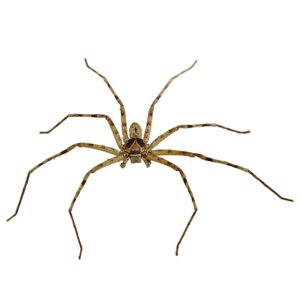
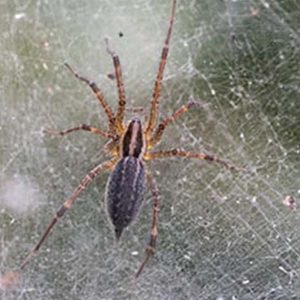
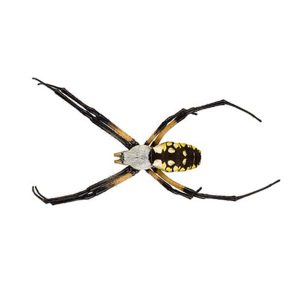
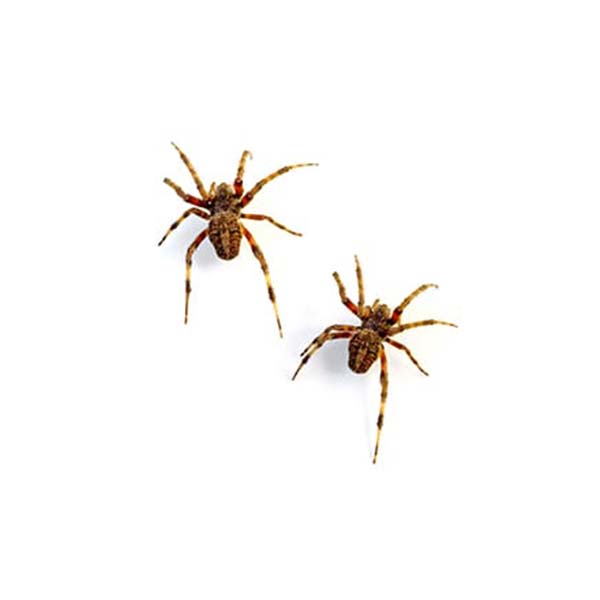
With their colorful, rounded bodies and intricate orb webs, barn spiders commonly inhabit gardens, wooded areas, fences, and the exterior of homes where they capture flying insects.
- Actual Size Leg span that can reach 1 to 2 inches
- Characteristics Robust orb-weaving spiders with rounded, patterned abdomens in shades of brown, tan, orange, or gray and long, slender legs.
- Legs 8
- Antennae No
- Wings No
What Do Barn Spiders Do?
Barn spiders typically remain in their orb-shaped webs, waiting for flies, mosquitoes, moths, and other insects to become trapped.
- They are most active at night and often remain hidden during the day near their webs or in nearby sheltered areas.
- Barn spiders are a type of orb-weaving spider known for their large, wheel-shaped webs and beneficial role in reducing insect activity.
- They help control insect populations by feeding on many common flying pests around homes and outdoor structures.
- Their webs are often rebuilt or repaired regularly to keep them strong and effective for catching prey.
Where Do You Find Barn Spiders?
Because barn spiders are attracted to locations with plenty of insect activity and places to anchor their webs, they may be found around homes and buildings in areas including:
- Barns and agricultural buildings
- Sheds and outdoor storage structures
- Gardens and landscaped areas
- Around porches, decks, and patios
- Between tree branches and shrubs
- Along fences and exterior walls
- Under eaves, overhangs, and roof edges
- Near outdoor lights where insects gather
What Should I Do If I Have Barn Spiders in Georgia?
Barn spiders commonly settle in protected locations where insects are active and can build webs, which may lead to increased activity around structures. If needed, the following steps may help reduce their presence:
- Reduce clutter in garages, sheds, and storage areas where spiders may find sheltered places to build webs.
- Seal cracks, gaps, and openings around doors, windows, and exterior areas to limit access for spiders and insects.
- Trim vegetation near your home, including shrubs and tree branches that may serve as web-building sites.
- Reduce outdoor lighting when possible, since lights can attract flying insects that provide a food source for spiders.
- Remove insect activity around your property to help reduce the food sources that attract spiders.
- Contact a professional pest control company if barn spiders become excessive or their webs continue appearing despite prevention efforts.
Helpful Barn Spider Resources
Discover helpful information about barn spiders, including where they build webs, how they behave around structures, and prevention strategies recommended by pest control professionals.
Top 5 FAQs About Barn Spiders in Georgia
Have questions about barn spiders? Review the FAQ section below for answers, and reach out by phone or email if you need more information.
Are barn spiders dangerous?
No, they are not considered dangerous to humans. They are generally docile and rarely bite unless they are handled or threatened.
What do barn spiders eat?
Barn spiders feed on insects caught in their webs, including:
• Flies
• Mosquitoes
• Moths
• Gnats
• Other small flying insects
• Flies
• Mosquitoes
• Moths
• Gnats
• Other small flying insects
Are barn spiders helpful around my property?
Yes, these spiders can be beneficial because they help reduce populations of flying insects around homes, gardens, and outdoor structures.
How can I reduce barn spiders around my home?
You can reduce spider activity by removing webs, limiting insect populations, trimming vegetation, and keeping outdoor areas clean.
If they become excessive, create a nuisance, or prevention methods are not effective, a professional pest control company can help.
If they become excessive, create a nuisance, or prevention methods are not effective, a professional pest control company can help.
Are barn spiders active during the day?
Barn spiders are often more active at night when they build, repair, and monitor their webs. During the day, they may hide nearby.