Cellar Spiders in Georgia
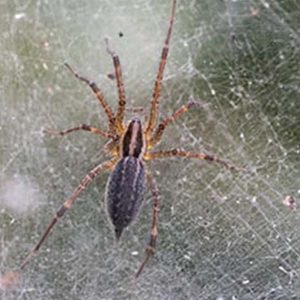
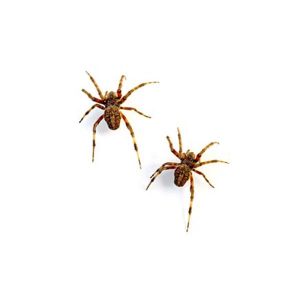
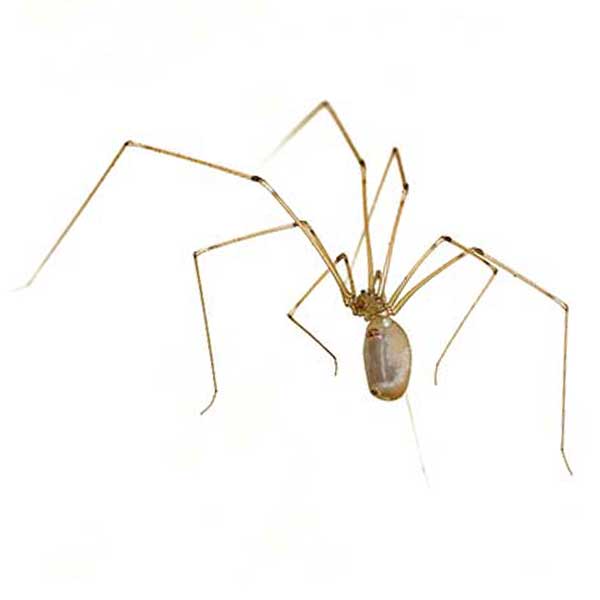
Cellar spiders possess a darker gray to brown or pale yellow abdomen (back section of a spider) and a cephalothorax (front section of a spider) that is lighter in color and much smaller than the abdomen. The legs are typically lighter than the body in color and have dark bands on different sections. The legs of cellar spiders are long in comparison to their bodies. The body of a cellar spider is between 6-10 millimeters in length, but their long legs can make them appear much larger. Cellar spiders are predators of insects and other arthropods (insects, spiders, crustaceans, millipedes, etc). They are not hunting spiders like some other species but instead spend most of their time on their webs.
Upload a Pest Photo
Get instant pest identification.
Cellar Spider Habitat
These spiders are found inside more regularly than many of the other spider species. They get in corners, behind furniture, in basements, bathrooms, and any other safe, secluded area in the home. They are also found outdoors and will frequently venture into garages to build their webs. Most of the cellar spider species found in homes throughout the United States are not native species and have been introduced from other countries.
Cellar Spider Behaviors, Threats, or Dangers
Most cellar spiders build webs in many different areas of the home. They may annoy people with the placement of their webs, but that is the only real threat they pose to humans. Most cellar spiders are too small to bite humans. If one did happen to find a way to bite it would be nothing more than a mild stinging sensation (unless the person happened to be allergic to the spiders or the bite got infected). If disturbed, cellar spiders will bounce or spin around wildly in their webs to try and deter whatever threat may be bothering them. If all else fails they will flee their web; these strange behaviors are usually enough to keep people far away!
If you are dealing with cellar spider problems in your home, contact your local spider exterminators.
Need help with pest control?
Fill out the form below and we’ll be in touch!
*During normal business hours. After hours inquiries will be returned the next business day.