Oriental Cockroaches in Georgia
Health RiskLow
Damage RiskLow
NuisanceLow
How to Identify Oriental Cockroaches
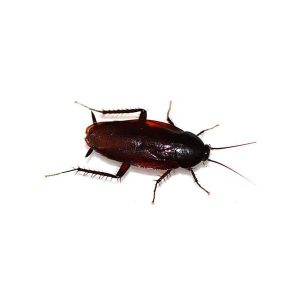
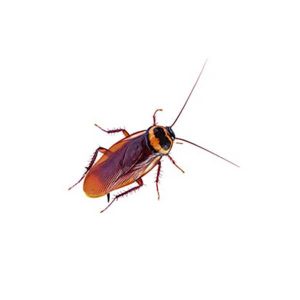
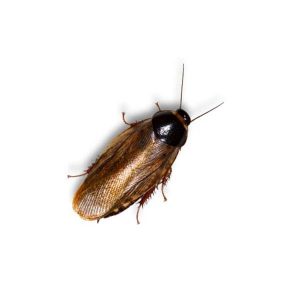
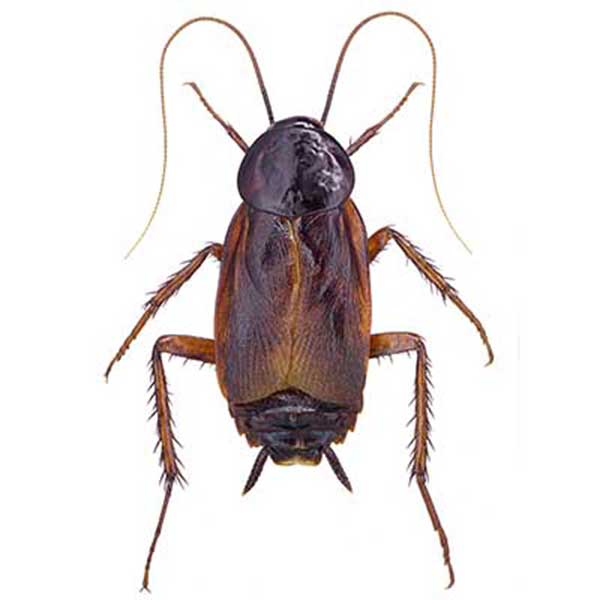
Identified by their broad, flattened, dark-colored bodies, long antennae, and reduced wings, which limit flight and keep them closely associated with moist, ground-level environments.
- Actual Size 1 to 1 1/4 inches long
- Characteristics Dark brown to black with broad, shiny oval-shaped bodies and long antennae.
- Legs 6
- Antennae Yes
- Wings Reduced or absent
What Do Oriental Cockroaches Do?
Oriental cockroaches feed on decaying organic matter, food waste, and other debris, and their movement through damp environments can lead to the contamination of surfaces and indoor spaces.
- Sometimes called "water bugs" because of their strong association with moisture and wet habitats.
- Unlike many other species, oriental cockroaches are poor climbers and are usually found at ground level or below ground level.
- Can carry bacteria and other microorganisms from unsanitary areas to food preparation surfaces and stored food.
- Their presence is often accompanied by a strong, musty odor, especially when large populations are present in or around a structure.
Where Do You Find Oriental Cockroaches?
Prefer cool, wet habitats with access to moisture and decomposing organic material, and they often become more noticeable during humid conditions. Common places you’re likely to encounter oriental cockroaches include:
- Inside basements, especially in damp corners and storage areas
- In crawl spaces with high humidity and limited airflow
- Around floor drains, sump pumps, and utility drains
- Beneath sinks and near leaking plumbing fixtures
- Around garbage containers, dumpsters, and waste collection areas
- Under mulch, leaf litter, and other moist organic debris outdoors
- Inside storm drains, sewer systems, and underground utility tunnels
- Around foundations, retaining walls, and other cool, shaded areas
What Should I Do If I Have Oriental Cockroaches in Georgia?
Can contribute to unsanitary conditions when they move into structures from damp hiding places such as storm drains, leaf litter, and foundation voids. If oriental cockroaches are becoming a problem, the following steps are recommended:
- Eliminate excess moisture by repairing leaking pipes, faucets, and plumbing fixtures that attract oriental cockroaches.
- Improve ventilation in damp areas such as basements, crawl spaces, and utility rooms to reduce humidity levels.
- Seal cracks, gaps, and openings around foundations, doors, windows, and utility penetrations to limit entry points.
- Remove leaf litter, mulch, and other damp organic debris from around the foundation of your home.
- Store garbage in tightly sealed containers and clean waste storage areas regularly to reduce food sources.
- Contact professional cockroach control if the infestation persists or spreads, as trained technicians can locate hidden harborages and apply targeted treatments.
Top 5 FAQs About Oriental Cockroaches in Georgia
Questions about oriental cockroaches? Check out the FAQ section below to get started, and contact us by phone or email if you need extra help.
Why are oriental cockroaches called water bugs?
They are sometimes called water bugs because they are strongly attracted to damp environments and are frequently found near standing water and plumbing systems.
Are oriental cockroaches dangerous?
While they do not bite, they can carry bacteria and other contaminants from unsanitary areas to food preparation surfaces and stored food.
How do oriental cockroaches get into homes?
They can enter through gaps around doors, foundation cracks, utility openings, drains, and other entry points near ground level.
What are the signs of an oriental cockroach infestation?
Common signs include sightings in damp areas, droppings, egg cases, shed skins, and a strong musty odor in heavily infested locations.
How can I get rid of oriental cockroaches?
Effective control includes reducing moisture, sealing entry points, removing organic debris, improving sanitation, and seeking professional cockroach control for persistent infestations.