Deer Mice in Georgia
Health RiskMedium
Damage RiskMedium
NuisanceMedium
How to Identify Deer Mice
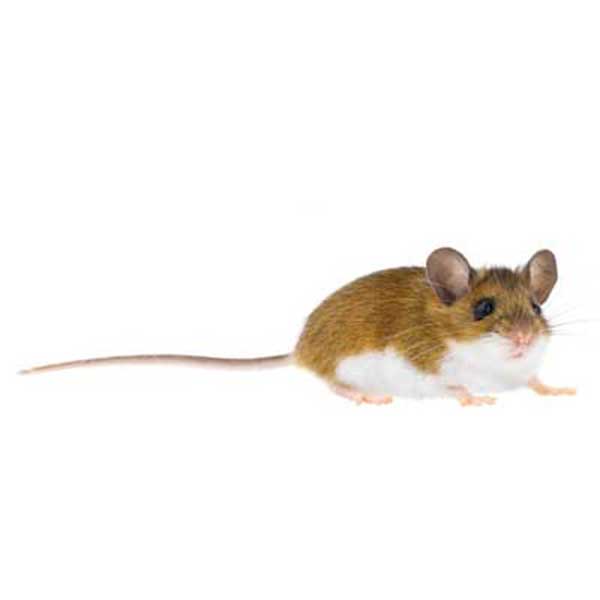
Small rodents recognized by their large eyes, white underbellies, and long tails as they forage for seeds, insects, and other food sources.
- Actual Size 5 to 8 inches long (including the tail)
- Characteristics Small, nocturnal rodents that actively forage for seeds, grains, fruits, and insects.
- Coloration Reddish-brown to grayish-brown fur with a white belly, white feet, and a distinctly bicolored tail.
What Do Deer Mice Do?
Search for a variety of food sources, including seeds and plant material, while nesting in secluded areas. As they move through structures, they may leave behind droppings, nesting debris, and signs of gnawing.
- Excellent climbers and can enter homes, sheds, garages, and other structures through surprisingly small openings.
- Build nests in sheltered locations such as wall voids, attics, crawl spaces, woodpiles, hollow logs, and abandoned bird nests.
- Can carry pathogens associated with diseases such as Hantavirus Pulmonary Syndrome, which can be transmitted through contact with contaminated droppings, urine, or nesting materials.
- These rodents remain active year-round and often move indoors during colder months in search of warmth, shelter, and reliable food sources.
Where Do You Find Deer Mice?
Thrive in a variety of habitats, including wooded areas, fields, and residential properties where they can easily locate food and protected nesting sites. Common places you'll find deer mice include:
- Attics
- Crawl spaces
- Barns and agricultural buildings
- Garages and storage sheds
- Woodpiles
- Forests and wooded areas
- Grasslands, meadows, and fields
What Should I Do If I Have Deer Mice in Georgia?
Often found exploring homes, sheds, and outdoor areas where food, water, and nesting materials are available. Their presence can create sanitation and property damage concerns. When deer mice become a problem, the following steps are recommended:
- Seal cracks, gaps, and other entry points around the exterior of your home to prevent additional mice from entering.
- Store food, pet food, and birdseed in tightly sealed containers to eliminate easy food sources.
- Remove clutter from attics, garages, basements, and storage areas where deer mice may nest.
- Set appropriate traps in areas where mouse activity, droppings, or gnaw marks have been observed.
- Wear gloves and follow proper sanitation procedures when cleaning rodent droppings, urine, or nesting materials.
- Contact a rodent control professional if the infestation is widespread, recurring, or difficult to eliminate on your own.
Top 5 FAQs About Deer Mice in Georgia
If you have questions about deer mice and how to deal with an infestation, browse our frequently asked questions below. If you still need help, contact us by phone or email.
Are deer mice dangerous to humans?
Yes, deer mice can pose a health risk because they may carry pathogens such as Hantavirus Pulmonary Syndrome, which can spread through contaminated droppings, urine, or nesting materials.
How do deer mice get inside homes?
They can enter through small cracks, gaps in foundations, vents, and openings around doors, windows, or utility lines.
What are the signs of a deer mouse infestation?
Common signs include droppings, gnaw marks, shredded nesting material, scratching noises at night, and food contamination.
What damage can deer mice cause?
Deer mice may damage insulation, wiring, stored goods, and building materials, and they can contaminate food supplies and living areas.
Should I handle deer mice problems myself?
Small issues may be manageable with traps and prevention steps, but larger infestations are best handled by a professional rodent control service.