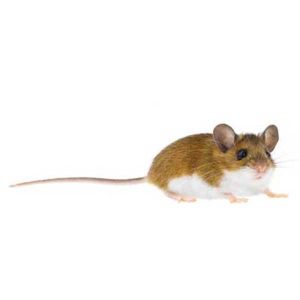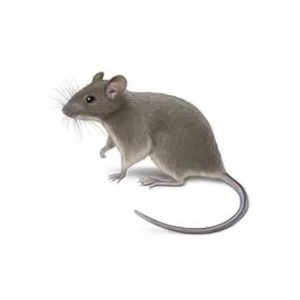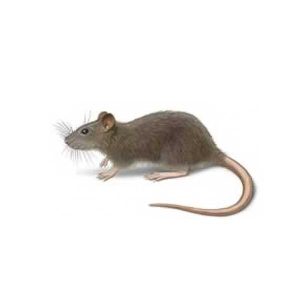
Meadow Voles in Georgia
Health RiskLow
Damage RiskMedium
NuisanceLow
How to Identify Meadow Voles
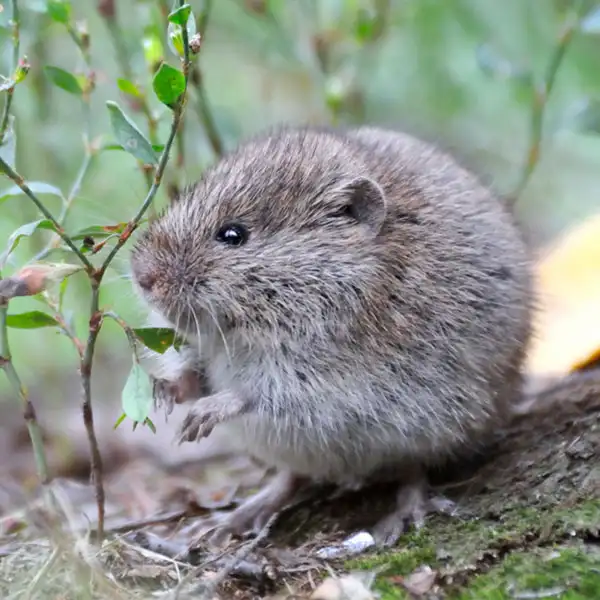
Small ground-dwelling rodents identified by their short tails, brown fur, and habit of creating surface runways through lawns and grassy habitats.
- Actual Size 4 to 7 inches long (including the tail)
- Characteristics Small, stocky rodents with short tails, small ears, and blunt snouts.
- Coloration Brown to gray-brown fur with a lighter underside and a short, lightly furred tail.
What Do Meadow Voles Do?
Meadow voles search for grasses, seeds, bark, and other plant materials while living in concealed nests near the ground. As they move through an area, they may leave behind runways, burrow openings, and gnaw marks on vegetation.
- They create narrow surface runways through grass and vegetation, which are often one of the first signs of an infestation.
- Primarily feed on grasses, roots, stems, bark, seeds, and other plant materials.
- These rodents can cause significant damage to lawns, gardens, ornamental plants, and young trees through feeding and gnawing activity.
- Populations can increase rapidly because females are capable of producing multiple litters each year.
Where Do You Find Meadow Voles?
Commonly found in areas with thick ground cover and abundant plant material, allowing them to feed and travel with protection from predators. Common places you'll find meadow voles include:
- Tall grass fields and open meadows
- Residential lawns
- Flower beds and vegetable gardens
- Orchards and tree plantings
- Overgrown vacant lots with thick weeds and ground cover
- Mulched landscape beds around homes, businesses, and parks
- Sheds, barns, garages, and crawl spaces
What Should I Do If I Have Meadow Voles in Georgia?
Frequently inhabit lawns, gardens, fields, and other outdoor environments where protective cover and food sources are abundant. Their burrowing and feeding behaviors may result in plant damage and visible surface runways. When meadow voles become a concern, the following actions are recommended:
- Mow tall grass and trim overgrown vegetation to reduce shelter and hiding places.
- Remove weeds, brush piles, and other debris that provide cover for meadow voles.
- Protect young trees and shrubs with wire mesh guards around the base of the trunk.
- Clear thick mulch away from foundations, trees, and garden beds where voles may nest.
- Eliminate food sources by cleaning up fallen fruit, seeds, and excess garden vegetation.
- Contact a rodent control professional if vole activity persists or causes significant damage.
Top 5 FAQs About Meadow Voles in Georgia
If you’re looking for answers about meadow voles and how to manage an infestation, browse the frequently asked questions below. For additional help, reach out to us by phone or email.
Do meadow voles come inside homes?
They rarely enter homes but may move into garages, sheds, or basements during harsh weather or when outdoor food sources are limited.
What kind of damage do meadow voles cause?
They can girdle young trees and shrubs, destroy garden plants, and create visible surface runways through lawns and landscaped areas.
How can I tell if I have meadow voles?
Signs include winding surface trails in grass, clipped vegetation at ground level, and damage to plant roots and bark.
How can I prevent meadow voles?
Keep grass trimmed, reduce dense ground cover, maintain clean landscaping, and protect vulnerable plants with guards or fencing.
How do you get rid of meadow voles?
Reduce vegetation, remove debris, set traps in active areas, and protect plants with barriers. For ongoing problems, professional rodent control can help manage and prevent infestations.