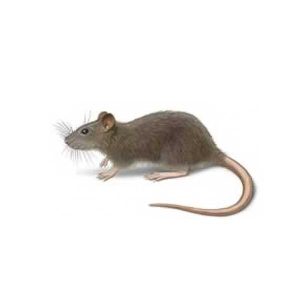
House Mice in Georgia
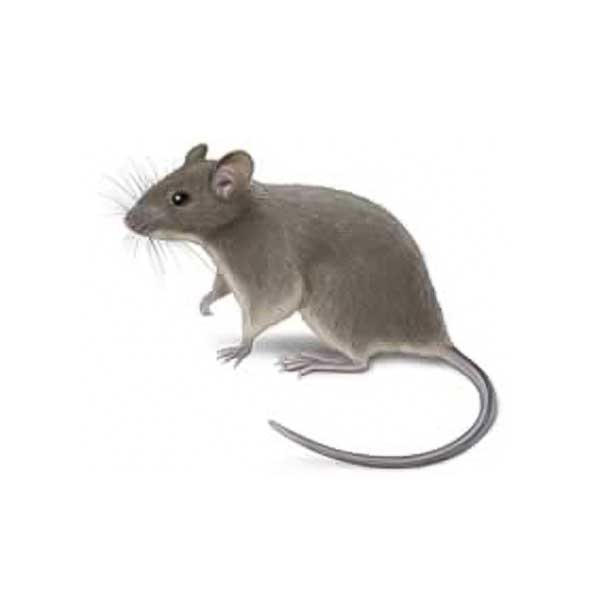
Health RiskLow
Damage RiskMedium
NuisanceMedium
How to Identify House Mice
Small, adaptable rodents recognized by their rounded bodies, large ears, and long tails, while they actively search for food in residential and commercial spaces.
- Actual Size 5 to 7 inches long (including the tail)
- Characteristics Small, nocturnal rodents that commonly forage indoors and outdoors for grains, crumbs, and stored food.
- Coloration Light gray to brown fur with lighter underparts and a long, mostly uniform tail.
What Do House Mice Do?
House mice search for a wide range of food sources, including grains, crumbs, and stored pantry items, while nesting in hidden areas. As they move through buildings, they often leave droppings, nesting material, and gnaw marks.
- They can squeeze through openings as small as a dime due to their flexible skulls and slender bodies.
- Reproduce quickly, with females capable of producing multiple litters per year under favorable conditions.
- They build nests using shredded paper, fabric, insulation, and other soft materials found in hidden indoor areas.
- Can contaminate food and surfaces with droppings and urine, creating sanitation concerns in infested spaces.
Where Do You Find House Mice?
Thrive in a wide range of environments, including homes, commercial buildings, and rural structures where food and shelter are readily available. Common places you’ll find house mice include:
- Kitchens
- Attics
- Basements
- Garages
- Wall voids inside homes
- Pantries and food storage areas
- Sheds and outbuildings
- Crawl spaces
What Should I Do If I Have House Mice in Georgia?
Often inhabit residential buildings, garages, and outdoor spaces where food and nesting materials are readily available. This can lead to sanitation problems and damage to property. When house mice become a problem, the following steps are recommended:
- Seal all entry points such as cracks, gaps, and openings around doors, windows, pipes, and foundations to prevent further access.
- Store all food, pet food, and grains in airtight, rodent-proof containers to eliminate easy food sources.
- Remove clutter from garages, basements, attics, and storage areas to reduce nesting opportunities.
- Set snap traps or other appropriate mouse traps in areas with visible activity, such as droppings or gnaw marks.
- Trim vegetation and remove debris, woodpiles, and outdoor clutter near the home to reduce shelter near the structure.
- Contact a rodent control professional if the infestation is widespread, persistent, or difficult to manage on your own.
Top 5 FAQs About House Mice in Georgia
If you have questions about house mice and how to deal with an infestation, browse our frequently asked questions below. If you still need help, contact us by phone or email.
Are house mice dangerous?
Yes, house mice can spread bacteria and contaminate food and surfaces with droppings and urine, creating health concerns.
What signs indicate a house mouse infestation?
Common signs include droppings, gnaw marks, scratching noises in walls, nesting materials, and damaged food packaging.
Do house mice reproduce quickly?
Yes, house mice reproduce rapidly, with females producing multiple litters per year under favorable conditions.
What damage can house mice cause?
They can chew wiring, insulation, wood, and packaging, which may lead to structural damage and even fire hazards.
How do I get rid of house mice?
Control methods include sealing entry points, setting traps, removing food sources, and contacting a pest control professional for larger infestations.