Banded Water Snakes in Georgia
Health RiskLow
Damage RiskNo Risk
NuisanceLow
How to Identify Banded Water Snakes
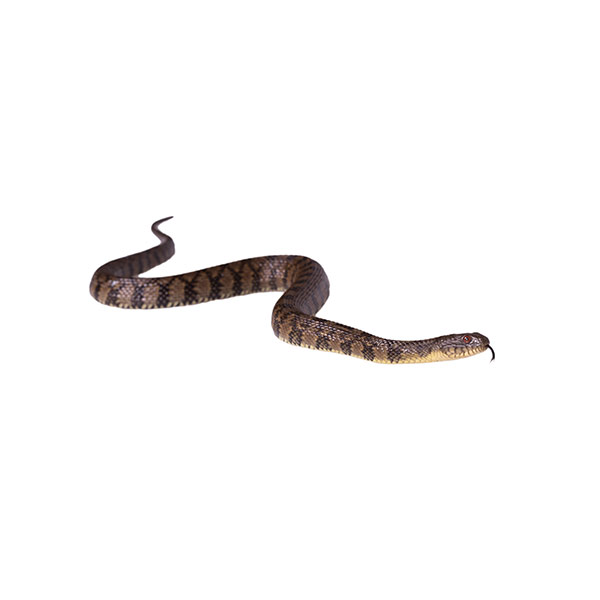
Nonvenomous aquatic reptiles recognized by their thick bodies, dark crossbands, and preference for ponds, rivers, marshes, and other freshwater habitats.
- Actual Size 2 to 4 feet long
- Characteristics Nonvenomous aquatic snakes, commonly found near ponds, rivers, lakes, and marshes.
- Coloration Gray, brown, olive, or reddish-brown bodies marked with dark crossbands that may fade as the snake ages.
What Do Banded Water Snakes Do?
Banded water snakes prey on a variety of aquatic animals, including fish and frogs, and are commonly found around marshes, streams, and lakes. As they search for food, they may regularly appear near homes located close to water.
- They are named for the dark crossbands that run across their bodies, especially when they are young.
- They are excellent swimmers and spend much of their time in or near water searching for food.
- Often mistaken for venomous cottonmouths because of their similar coloration and defensive behavior.
- When threatened, they may flatten their bodies, release a strong-smelling musk, or bite in self-defense.
Where Do You Find Banded Water Snakes?
Are frequently found in areas with permanent water sources, where they can hunt, bask, and seek shelter among shoreline vegetation. Common places you’ll find banded water snakes include:
- Ponds with vegetated shorelines and shallow water
- Lakes, reservoirs, and their surrounding banks
- Slow-moving rivers and streams with abundant cover
- Freshwater marshes, swamps, and wetlands
- Drainage canals, ditches, and retention ponds
- Docks, boat ramps, and waterfront properties near freshwater
- Fallen logs, rocks, and brush piles along the water's edge
- Residential properties located near ponds, lakes, or other freshwater habitats
What Should I Do If I Have Banded Water Snakes in Georgia?
Commonly encountered around shorelines, docks, and residential properties near water, where they may be mistaken for venomous snakes. If you are dealing with banded water snakes, the following steps are recommended:
- If the snake cannot be confidently identified, treat it with caution until a professional can determine the species.
- Keep a safe distance and avoid attempting to handle or corner the snake.
- Remove debris, brush piles, and other potential hiding places.
- Keep grass and vegetation trimmed around ponds, docks, and waterfront areas.
- Seal gaps, crawl space openings, and other entry points that could allow snakes to enter structures.
- Contact a professional pest control service if banded water snakes are repeatedly appearing in high-traffic areas or creating ongoing concerns.
Top 5 FAQs About Banded Water Snakes in Georgia
For frequently asked questions about banded water snakes and removal options, check the FAQ section below. If you need additional support, contact us by phone or email.
Are banded water snakes venomous?
No, banded water snakes are not venomous, but they may bite people or pets if they feel threatened or are handled.
Why are banded water snakes often seen near homes?
They are attracted to areas near water sources where food is abundant, especially properties near ponds, lakes, or drainage areas.
How do banded water snakes behave when threatened?
They may flatten their bodies, release a strong musk, strike defensively, or attempt to flee into the water.
What is the difference between a banded water snake and a cottonmouth?
Banded water snakes are nonvenomous and slimmer, while cottonmouths are venomous with a heavier body and a more triangular head.
Should I remove a banded water snake if I see one?
In most cases, no removal is needed. However, if snakes are frequently appearing in high-traffic areas, contact a professional pest control service for assistance.