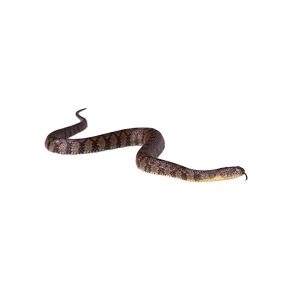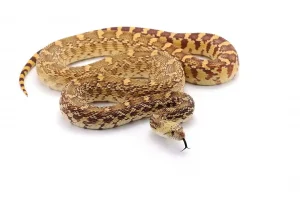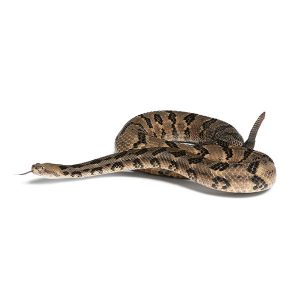
Brown Snakes in Georgia
Health RiskLow
Damage RiskNo Risk
NuisanceLow
How to Identify Brown Snakes
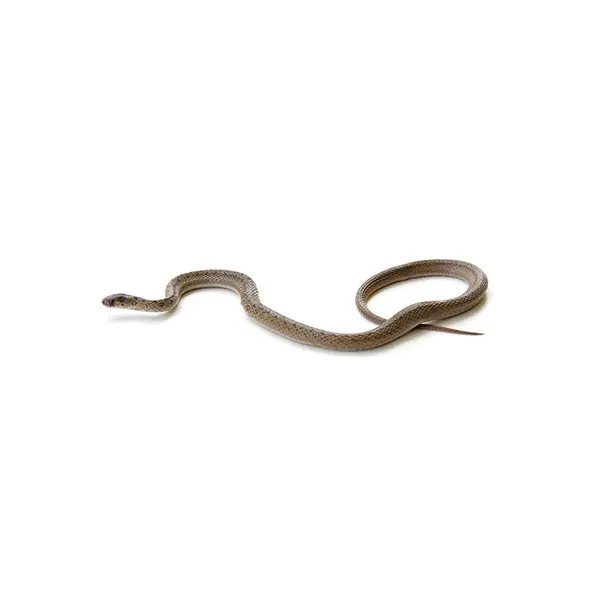
Small, nonvenomous terrestrial reptiles recognized by their slender bodies, brown to gray coloration, and preference for moist environments such as yards, gardens, and wooded areas.
- Actual Size 9 to 15 inches in length
- Characteristics Small reptiles that are often found under logs, rocks, and leaf litter in wooded and residential areas.
- Coloration Brown to grayish-brown with subtle darker markings that may fade over time.
What Do Brown Snakes Do?
Brown snakes feed on insects, snails, and other small invertebrates and are commonly encountered in moist habitats such as gardens, parks, and forest floors. Their search for food can occasionally bring them into backyard spaces.
- They are secretive and spend much of their time hidden under logs, rocks, leaf litter, mulch, or debris.
- These snakes are harmless to humans and rarely bite, even when encountered or handled.
- Beneficial to the environment because they help control pest populations like slugs and insects.
- They are commonly known as De Kay’s brown snakes, named after the American zoologist James Ellsworth De Kay.
Where Do You Find Brown Snakes?
Commonly found in damp habitats with abundant ground cover, where they can hunt for invertebrates and shelter beneath rocks and vegetation. Common places you’ll find brown snakes include:
- Under leaf litter in wooded forests
- Beneath logs and fallen branches
- Mulch beds in residential gardens
- Rock piles and stone walls
- Shaded, damp areas in suburban yards
- Parks with dense ground cover and moisture
- Around compost piles and garden debris
- Damp basements or crawl spaces near natural habitats
What Should I Do If I Have Brown Snakes in Georgia?
Frequently encountered in moist, shaded areas around homes and parks, where they may cause concern due to their appearance. If you are concerned about brown snakes, the following steps are recommended:
- If the snake cannot be confidently identified, treat it with caution until a professional can determine the species.
- Keep a safe distance and avoid attempting to handle or corner the snake.
- Remove debris, leaf litter, logs, and other potential hiding places around yards and garden areas.
- Keep grass, mulch, and vegetation trimmed and well-maintained to reduce shelter areas.
- Seal gaps, cracks, and crawl space openings that could allow snakes to enter structures.
- Avoid reaching into dark or concealed areas where a snake may be hiding.
- Contact a professional pest control service if brown snakes are repeatedly appearing in high-traffic areas or causing ongoing concerns.
Top 5 FAQs About Brown Snakes in Georgia
Have questions about brown snakes and how to handle them? Review the FAQ section below, then reach out by phone or email for further assistance.
Are brown snakes dangerous to people or pets?
No, they are harmless and actually beneficial because they help control pest populations in yards and gardens.
What should I do if I find a brown snake?
In most cases, it’s best to leave it alone, as it is harmless and will usually move on on its own.
Are brown snakes ever confused with copperhead snakes?
Yes, they can sometimes be mistaken for copperheads due to their brown coloration, but brown snakes are much smaller, harmless, and lack the copperhead’s hourglass pattern.
How can I prevent brown snakes from appearing near my home?
Reduce moisture, remove debris piles, keep grass trimmed, and limit hiding spots like dense mulch or cluttered yard materials.
When should I contact professional pest control for brown snakes?
Contact professional pest control if brown snakes keep appearing around your home or getting inside structures.