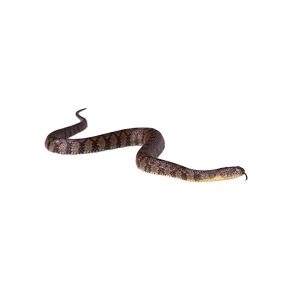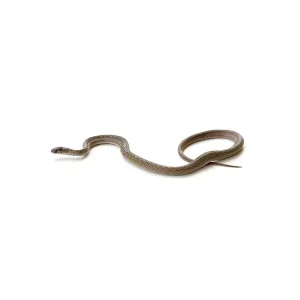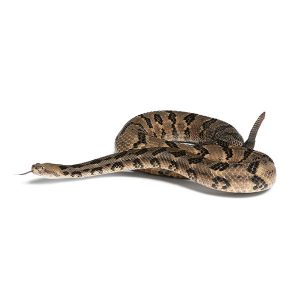
Pine Snakes in Georgia
Health RiskLow
Damage RiskNo Risk
NuisanceLow
How to Identify Pine Snakes
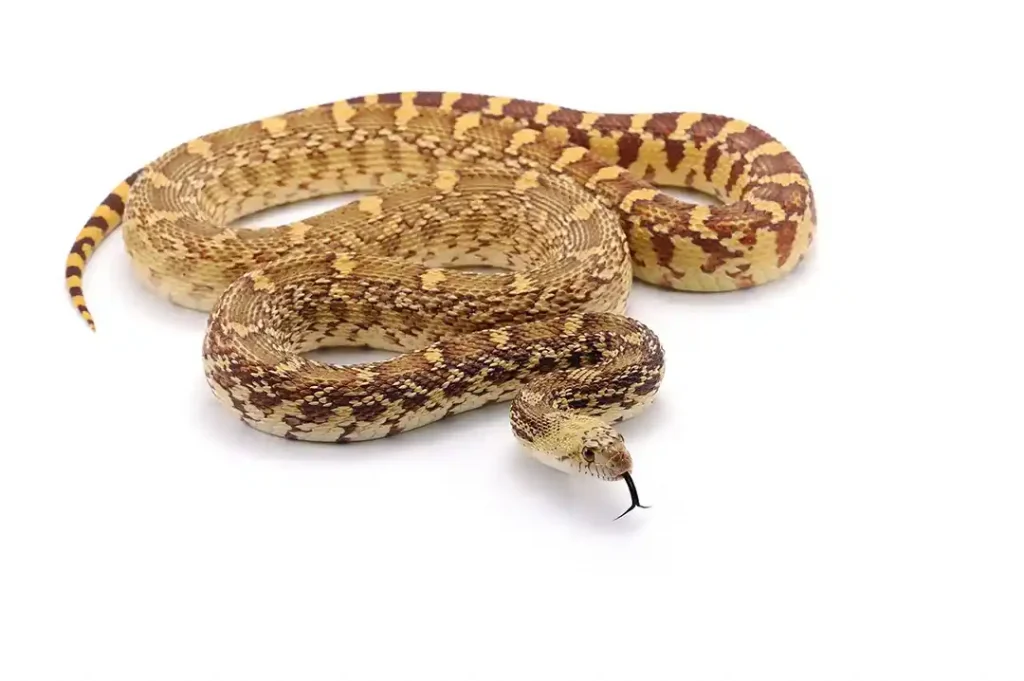
Nonvenomous reptiles with thick bodies and earthy, mottled coloration, commonly associated with pine forests, scrublands, and open sandy areas.
- Actual Size 4 to 6 feet long
- Characteristics Nonvenomous, large, heavy-bodied reptiles often found in dry, sandy habitats such as pine forests and open woodlands.
- Coloration Typically light brown, tan, or yellowish with dark blotched or saddled patterns along the back.
What Do Pine Snakes Do?
Primarily hunt small mammals and occasionally ground-nesting animals, and are most commonly associated with upland pine forests and sandy, open environments. While searching for food, they may be spotted moving through brushy or rural edge habitats.
- Excellent burrowers and often use underground tunnels or abandoned rodent burrows for shelter.
- Known for producing loud hissing sounds when threatened, which can make them appear more intimidating than they are.
- They use constriction to subdue prey, wrapping around small animals before consuming them.
Where Do You Find Pine Snakes?
Commonly seen in open woodlands and pine barrens, where loose soil and ground cover provide shelter for burrowing and hunting small prey. Common places you’ll find pine snakes include:
- Pine barrens with sandy soil and sparse vegetation
- Dry pine forests and upland woodlands
- Open scrublands with loose, well-drained soil
- Abandoned rodent burrows in rural or forested areas
- Sandy fields and agricultural edges near woodlands
- Forest clearings with fallen logs and leaf litter
- Overgrown brush piles and natural debris areas
- Rural property edges bordering pine forest habitats
What Should I Do If I Have Pine Snakes in Georgia?
Commonly found in forested and sandy environments like pine barrens and brushy uplands, but they can occasionally be spotted near properties adjacent to these areas. If pine snakes are causing concern, the following actions are recommended:
- Keep your yard clean and remove brush piles, logs, and debris that can provide shelter.
- Seal gaps, cracks, and openings in foundations, sheds, and crawl spaces to prevent snakes from entering structures.
- Store firewood and building materials off the ground and away from the home to limit potential shelter areas.
- Reduce rodent activity around your property, since rodents are their primary food source.
- Avoid handling or attempting to move them, as they may defend themselves when threatened.
- Contact a professional pest control service if pine snakes are frequently appearing near your home or causing concern.
Top 5 FAQs About Pine Snakes in Georgia
Have questions about pine snakes or how to respond if one shows up? Check out the FAQ section below first, and contact us by phone or email for further assistance.
Are pine snakes dangerous to humans?
No, pine snakes are not dangerous. They are nonvenomous and generally avoid human contact whenever possible.
Are pine snakes aggressive?
They are not naturally aggressive but may hiss loudly, vibrate their tails, or strike defensively if threatened.
Do pine snakes enter homes?
It is uncommon, but they may occasionally wander near homes located close to their natural habitat while searching for food or shelter.
How do pine snakes behave when threatened?
They often try to intimidate predators by hissing, flattening their bodies, and making sudden movements, but they usually prefer to escape.
When should I contact professional pest control for pine snakes?
You should contact a professional if pine snakes are frequently appearing near your home, entering structures, or if you need removal assistance.