
How to Spot Drywood Termites Before They Cause Damage
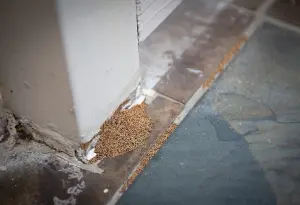 Drywood termites are silent invaders that can wreak havoc on your home if left unnoticed. By recognizing key warning signs such as termite swarms, tiny pellet droppings, and bubbled or blistered wood, you can catch these pests early, saving your property from costly repairs.
With over 45 years of experience fighting termite infestations, we’ve seen how drywood termites can transform a beautiful Georgia home into a costly headache. But with the right knowledge and professional help, you can stop them in their tracks.
Understanding Drywood Termites
Drywood termites are crafty little insects that thrive inside dry, untreated wood. Unlike subterranean termites that rely on moisture and soil contact, drywood termites get all their hydration from the wood itself. This means they can infest your roof framing, hardwood floors, or even cherished wooden furniture without needing any contact with the ground.
These termites vary in size depending on their role in the colony. Soldier termites, who defend the colony, are about three-eighths of an inch long, while reproductive termites, which start new colonies, can grow to around half an inch. Their color ranges from pale brown to darker or slightly yellowish shades.
Drywood Termites vs. Subterranean Termites: What’s the Difference?
The primary distinction lies in where and how they live. Subterranean termites depend on soil moisture and build mud tubes to travel from the ground into your home’s wood. Drywood termites, however, live entirely inside dry wood, needing no soil contact at all.
While subterranean termites usually invade from below through foundations, drywood termites can enter your home by flying through attic vents or tiny cracks near windows. This means they can settle anywhere there’s accessible dry wood, from your attic beams to your living room furniture.
Another difference is in how they consume wood. Drywood termites tunnel across the grain, eating through both soft and hard wood layers. This leaves smooth, hollowed-out tunnels that can severely weaken your home’s structural integrity.
Warning Signs of Drywood Termite Infestation
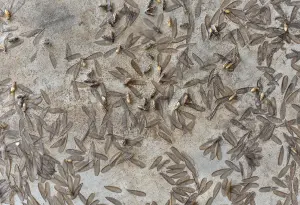
- Swarming Termites: Spotting winged termites near your home indicates mature colonies nearby, as these are reproductive termites searching for new nesting spots.
- Tiny Pellets (Frass): Drywood termites push out their droppings through small exit holes, leaving behind piles of pellet-like debris that resemble grains of rice under infested wood.
- Blistered or Hollow Wood: Wood that appears bubbled or sounds hollow when tapped can be a sign of hidden termite tunnels. Additionally, doors and windows that suddenly stick or fail to close properly may be suffering from termite damage.
Because drywood termites operate quietly inside the wood, visible damage often means the infestation has been present for years. That’s why regular professional inspections are essential to catch these pests early.
Say Goodbye to Pest Problems for Good!
Why Are Drywood Termites So Difficult to Eliminate?
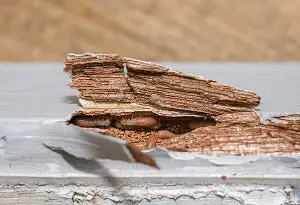 These termites pose a challenge because they nest deep inside wood, often hidden within walls, attic beams, or furniture. Surface sprays won’t reach them, and their colonies can spread discreetly throughout different areas of your home.
Unlike subterranean termites, drywood termites don’t need to return to the soil, allowing them to form satellite colonies anywhere there’s suitable wood. This means multiple infestations can exist in various parts of your house simultaneously.
What’s the Most Effective Drywood Termite Treatment?
Treatment depends on how widespread the infestation is and where the termites are located.
For smaller, contained infestations, targeted methods such as injecting termiticides directly into the tunnels or applying specialized foams can effectively eliminate the colony.
When the infestation is extensive and affects large areas of your home, fumigation is often the best solution. Although it requires temporarily vacating your home, fumigation thoroughly penetrates wood, reaching termites hidden in places sprays and foams can’t.
Our Approach to Drywood Termite Control and Extermination
At Active Pest Control, we begin with a thorough inspection of your entire property, examining every potential entry point and hidden area, from exposed wooden beams to behind walls and furniture.
After assessing the infestation’s scope, we develop a customized treatment plan tailored to your home’s needs. For minor problems, we focus on precise spot treatments. For more severe cases, we recommend tent fumigation to guarantee complete eradication.
Our commitment continues after treatment, with follow-up inspections to ensure termites are gone and to monitor for any new activity. We also provide guidance on preventing future infestations by sealing entry points and reducing conditions that attract termites.
Trust Active Pest Control to Shield Your Georgia Home from Wood-Destroying Pests
Choosing the right termite control partner is critical when protecting your most valuable asset: your home. Homeowners across Georgia rely on us to keep drywood termites and other destructive pests at bay.
Don’t wait until termite damage threatens your home’s value and your peace of mind. The sooner you act, the easier it is to stop these pests in their tracks. Contact Active Pest Control today for a professional termite inspection and protect your home for years to come.
Back to Termite Control