Acrobat Ants in Georgia
Health RiskLow
Damage RiskLow
NuisanceHigh
How to Identify Acrobat Ants
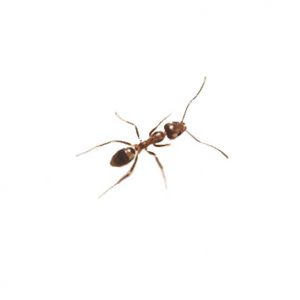
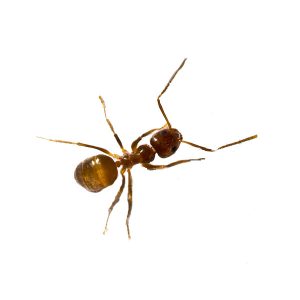
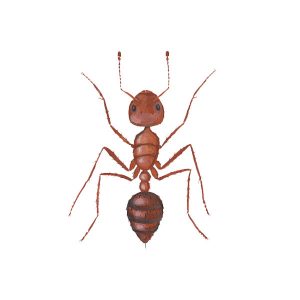
Acrobat ants are social insects that live in organized colonies and are identified by their divided bodies, mandibles, and coordinated foraging habits.
- Actual Size About 2.5 to 4 mm in length (workers are very small, though queens are larger)
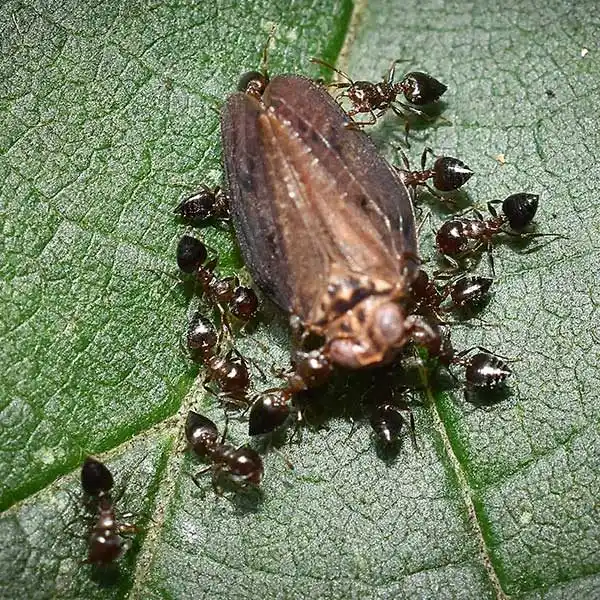
- Characteristics Small ants with segmented bodies, a noticeably narrow waist, and typically light to dark brown coloration; acrobat ants are known for lifting their heart-shaped abdomen when disturbed
- Legs 6
- Antennae Yes
- Wings Only the reproductive ants develop wings
What Do Acrobat Ants Do?
Acrobat ants feed on a variety of food sources, including sweets, proteins, and decaying organic matter. They are highly active foragers and can move across a wide range of surfaces, sometimes spreading contamination as they travel through kitchens and food storage areas.
- Small social insects that live in colonies ranging from a few dozen to thousands of individuals, depending on the species and environment.
- Queen acrobat ants lay eggs within the colony, where larvae are cared for and protected by worker ants until they mature.
- They are known for raising their abdomen over their body when disturbed, a defensive behavior that gives them their “acrobat” name.
- While they are not known to spread diseases like some pests, ants can still contaminate surfaces as they move through kitchens and food storage areas in search of food.
Where Do You Find Acrobat Ants?
This species of ant are frequently found near homes where food is available, especially sugary or protein-rich items, and are more active in warm or humid weather. Common places you’ll find these ants include:
- Kitchen counters and food prep areas
- Pantry shelves and stored food containers
- Behind baseboards and wall voids
- Under sinks and around plumbing leaks
- Bathrooms and other damp indoor areas
- Inside wall cavities and insulation spaces
- Attics and upper levels of buildings
- Around windows and door frames
- Outdoor wood piles, mulch, and decaying vegetation
- Under rocks, logs, and landscape debris in yards
What Should I Do If I Have Acrobat Ants in Georgia?
Because acrobat ants travel between outdoor areas and inside structures while foraging, they can contribute to sanitation issues by spreading bacteria. When you have an ant problem, the following steps are highly recommended:
- Inspect your property for cracks, gaps, and other entry points where ants may be entering, and seal them properly to block access.
- Store food in airtight containers and keep kitchen and dining areas clean to reduce attractants.
- Remove moisture sources, such as leaks or standing water, that may encourage ants to establish nesting sites indoors.
- Trim vegetation and clear debris around the exterior of your home to reduce pathways and nesting areas.
- Professional ant control services provide the most effective and long-lasting solution for managing ant infestations.
Top 5 FAQs About Acrobat Ants in Georgia
If you have questions about Acrobat ants, start by reviewing our most frequently asked questions below. If you still need assistance, reach out by phone or email.
Why are acrobat ants in my house?
They often enter homes searching for food or moisture and may be attracted to leaks, sugary foods, or decaying wood inside structures.
Can acrobat ants damage homes?
They can excavate wood for nesting, especially if it is already damp or damaged, but they are generally secondary invaders rather than primary wood destroyers.
How do acrobat ants get inside?
They enter through small cracks, gaps around windows and doors, utility lines, and other tiny openings in the structure.
Are acrobat ants dangerous?
They are not considered dangerous to humans, but they can bite if disturbed and may become a nuisance when they infest homes.
How can I get rid of acrobat ants?
Eliminating moisture, sealing entry points, and removing food sources can help reduce acrobat ants, and bait treatments may also work. For larger or persistent infestations, contacting a professional ant control service is the most effective solution.