Pavement Ants in Georgia
Health RiskMedium
Damage RiskLow
NuisanceHigh
How to Identify Pavement Ants
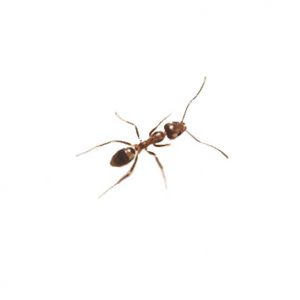
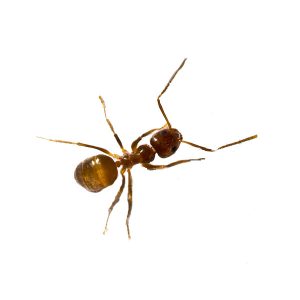
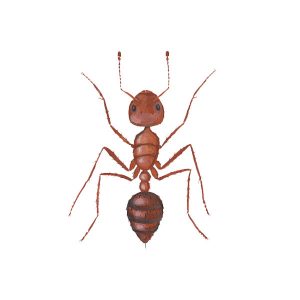
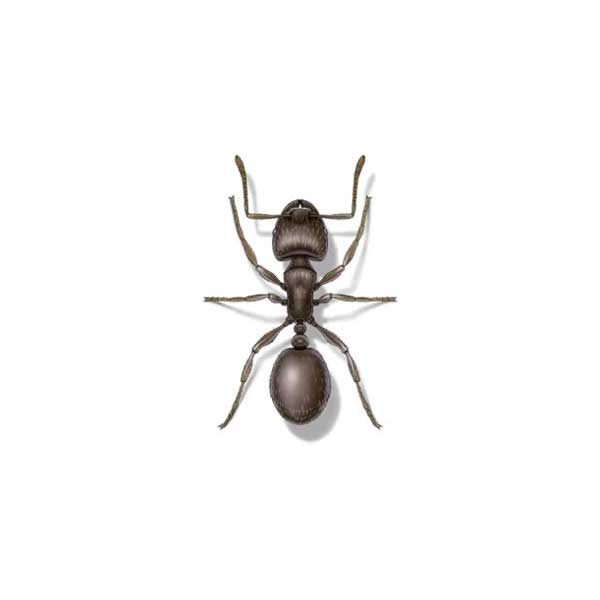
These insects are characterized by their small size and dark brown appearance, often forming visible trails along concrete, patios, and building foundations.
- Actual Size 2.5 to 4 mm
- Characteristics Small brown to black ants with segmented bodies and a tendency to form trails along sidewalks, driveways, and building foundations
- Legs 6
- Antennae Yes
- Wings Only the reproductive ants develop wings
What Do Pavement Ants Do?
Pavement ants rely on food scraps, sugary liquids, and small organic particles to sustain their colonies and fuel reproduction. They are most active in warm conditions when foraging along outdoor hard surfaces and indoor entry points.
- Small ants commonly found nesting under sidewalks, driveways, and building foundations.
- They often enter homes through cracks in foundations, gaps around doors, and utility openings.
- They can produce multiple colonies in close proximity, especially in urban and suburban environments.
- While they do not spread diseases, they can contaminate food surfaces as they forage indoors.
Where Do You Find Pavement Ants?
Commonly found in and around structures, particularly in cracks in sidewalks, patios, and driveways, where they establish colonies. Common places you’ll find pavement ants include:
- Cracks in sidewalks and concrete pavement
- Driveways and parking lots
- Building foundations and exterior walls
- Under stones, bricks, and pavers
- Patio slabs and walkways
- Soil near the edges of structures
- Lawns with compacted or dry soil
- Garden beds and landscaped areas
- Inside kitchens and pantry areas while foraging
- Around door thresholds, windows, and entry points
What Should I Do If I Have Pavement Ants in Georgia?
While not associated with transmitting diseases, but they can still become problematic when they forage indoors and contaminate food areas. If you’re dealing with pavement ants, the following steps are recommended to help manage the issue:
- Seal cracks in sidewalks, foundations, and exterior walls to block entry points.
- Clean kitchen surfaces thoroughly and remove crumbs, grease, and spills.
- Store all food in sealed, airtight containers to reduce access to food sources.
- Repair plumbing leaks and reduce moisture around sinks, bathrooms, and other wet areas.
- Remove outdoor debris such as rocks, woodpiles, and clutter near the structure.
- Trim back vegetation and keep landscaping away from the building foundation.
- Track ant trails to help locate nesting sites and entry points.
- Use bait treatments that target the entire colony, not just visible ants.
- Contact an ant control professional if the infestation continues or spreads.
Top 5 FAQs About Pavement Ants in Georgia
If you’re looking for answers about pavement ants, review our frequently asked questions below. If you don’t see what you need, contact us by phone or email.
Why are they called pavement ants?
They get their name because they often build colonies under or between cracks in pavement and concrete surfaces.
Are pavement ants dangerous?
No, pavement ants are not dangerous to humans or pets and do not spread diseases, but they can become a nuisance indoors.
How do pavement ants get inside homes?
They enter through small cracks in foundations, gaps around doors and windows, and openings near utilities.
How can I tell if I have pavement ants?
You may notice small ants forming trails along floors, countertops, or outdoor hard surfaces like sidewalks and driveways.
How do I get rid of pavement ants?
Control involves sealing entry points, eliminating food sources, and using bait treatments. Severe infestations may require professional pest control.