Pharaoh Ants in Georgia

Health RiskHigh
Damage RiskLow
NuisanceHigh
How to Identify Pharaoh Ants
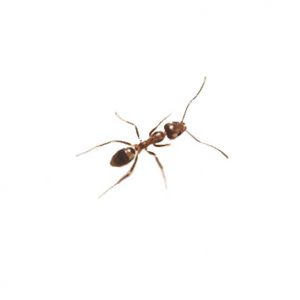
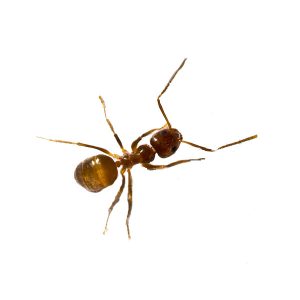
Characterized by their small, pale bodies and persistent indoor activity, especially in warm environments where they form widespread colonies.
- Actual Size 1.5 to 2 mm
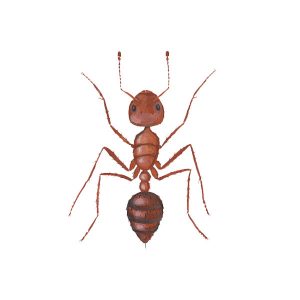
- Characteristics Very small, pale yellow to reddish ants with slender bodies that often form large, hidden colonies inside buildings
- Legs 6
- Antennae Yes
- Wings Only the reproductive ants develop wings
What Do Pharaoh Ants Do?
Foragers for a wide range of food sources, including sweets and grease, which they bring back to their colonies to support growth. They are most active in hidden indoor spaces where they can move freely between nests and food sources.
- Can split colonies (a process called budding) when disturbed, making infestations difficult to eliminate.
- They often enter homes through tiny cracks and openings around plumbing, electrical lines, and foundations.
- They are considered a nuisance pest in healthcare facilities due to their ability to spread bacteria on surfaces.
- While they do not bite or sting, they can contaminate food and surfaces as they forage indoors.
Where Do You Find Pharaoh Ants?
Typically found in structures rather than outdoors, thriving in hidden spaces with access to food, water, and warmth. Common places you’ll find pharaoh ants include:
- Kitchen countertops and food preparation surfaces
- Pantry shelves and areas where food is stored
- Around sinks, dishwashers, and plumbing fixtures
- Bathrooms, including tubs, showers, and toilet areas
- Inside wall voids and concealed interior spaces
- Behind household appliances like refrigerators, ovens, and microwaves
- Within hospitals, clinics, and other healthcare facilities
- Near electrical outlets, wiring, and utility entry points
- Around building foundations and structural gaps with moisture or food access
What Should I Do If I Have Pharaoh Ants in Georgia?
While not disease vectors, but they can contaminate food and surfaces as they move through buildings in search of moisture and nourishment. If you’re dealing with pharaoh ants, the following steps are highly recommended:
- Track ant trails to help identify hidden nesting sites and colony locations.
- Keep kitchen surfaces clean and remove all crumbs, spills, and food residue.
- Store all food in sealed, airtight containers to limit access to food sources.
- Clean up grease, sugary spills, and food debris as soon as possible.
- Repair plumbing leaks and reduce excess moisture in kitchens and bathrooms.
- Seal cracks, gaps, and entry points around doors, windows, and foundations.
- Avoid using repellent sprays that may cause colonies to split and spread.
- Contact an ant control professional if activity continues or spreads through the structure.
Top 5 FAQs About Pharaoh Ants in Georgia
Have questions about pharaoh ants? Start with our most frequently asked questions below. If you still need help, don’t hesitate to reach out by phone or email.
Why are they called pharaoh ants?
They are believed to be called pharaoh ants because they were first incorrectly thought to have originated in Egypt, though their true origin is uncertain.
Are pharaoh ants dangerous?
They are not dangerous in terms of stings or bites, but they can be a serious nuisance and may spread bacteria in sensitive environments.
Why are pharaoh ants hard to get rid of?
They can form multiple interconnected colonies and will “bud” into new colonies when disturbed, making infestations difficult to eliminate.
How do pharaoh ants get inside homes?
They enter through tiny cracks, utility openings, and gaps around doors and windows while searching for food and moisture.
How do I get rid of pharaoh ants?
Effective control involves using bait treatments, reducing food and moisture sources, sealing entry points, and contacting a pest control professional for persistent infestations.