Moles in Georgia
Health RiskLow
Damage RiskLow
NuisanceMedium
How to Identify Moles
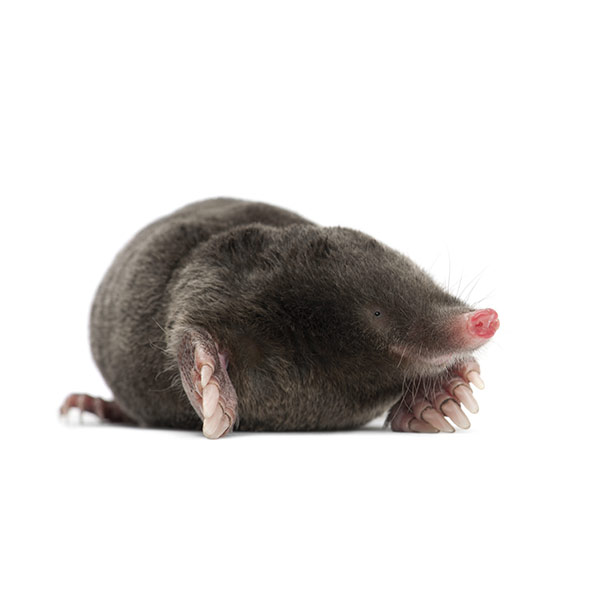
Moles are small, burrowing mammals recognized by their compact, velvety bodies, powerful front claws, and preference for underground environments where they tunnel through soil in search of insects and worms.
- Actual Size 4 to 6 inches in length
- Characteristics Subterranean mammals known for their powerful digging ability, spending most of their lives underground.
- Coloration Soft, dense fur ranging from grayish-black to dark brown.
What Do Moles Do?
Moles feed on earthworms, larvae, and other small organisms beneath the soil surface and are frequently found in grassy yards and landscaped properties. Their underground hunting often brings them into close contact with residential outdoor areas.
- They have powerful front paws shaped like shovels, which are specially adapted for digging through soil.
- A single mole can dig extensive tunnel networks in a short period of time, especially in soft or moist soil.
- Mole activity often results in raised ridges and small mounds of soil appearing across lawns and gardens.
- Most active in soil conditions where food is abundant and digging is easier, such as irrigated lawns or gardens.
Where Do You Find Moles?
Moles are frequently found in soil-rich habitats such as lawns, landscaped yards, and grassy outdoor areas where they can dig tunnels and hunt for underground prey. Common places you’ll find them includes:
- Residential lawns with soft, moist soil
- Garden beds with rich, well-watered earth
- Parks and public green spaces
- Golf courses and manicured turf areas
- Agricultural fields and farmland edges
- Wooded areas with loose, nutrient-rich soil
- Areas near irrigation systems or consistently damp ground
What Should I Do If I Have Moles in Georgia?
Moles are often found in outdoor spaces like yards, gardens, and landscaped areas, where their tunneling activity can damage turf, roots, and soil structure and create concerns for property owners. If you are dealing with moles, the following steps are recommended:
- Reduce soil moisture by adjusting irrigation to make the area less attractive to earthworms.
- Keep lawns well-maintained and mow regularly to discourage insect buildup near the surface.
- Limit excessive watering, especially in problem areas where mole activity is visible.
- Install underground barriers or mesh in gardens to help protect sensitive areas.
- Contact professional wildlife control for effective mole removal and long-term management.
Top 5 FAQs About Moles in Georgia
If you have questions about moles and available removal methods, review our FAQ section below. If you have additional questions, contact us by phone or email.
Why are moles in my yard?
Moles are attracted to lawns and gardens with moist, soft soil that contains plenty of food sources like worms and insects.
Do moles damage lawns?
Yes, moles can disrupt lawns by creating tunnels and molehills that push up soil and damage grass roots.
Can moles cause structural damage?
While they typically do not damage buildings, their tunneling can affect lawns, gardens, and landscaping features.
What attracts moles to a property?
Moles are attracted to areas with abundant soil insects, earthworms, and moist, easy-to-dig ground.
How can I get rid of moles?
Mole control often involves reducing their food sources, modifying soil conditions, and using traps or professional wildlife control services for persistent infestations.