Rabbits in Georgia
Health RiskLow
Damage RiskLow
NuisanceLow
How to Identify Rabbits
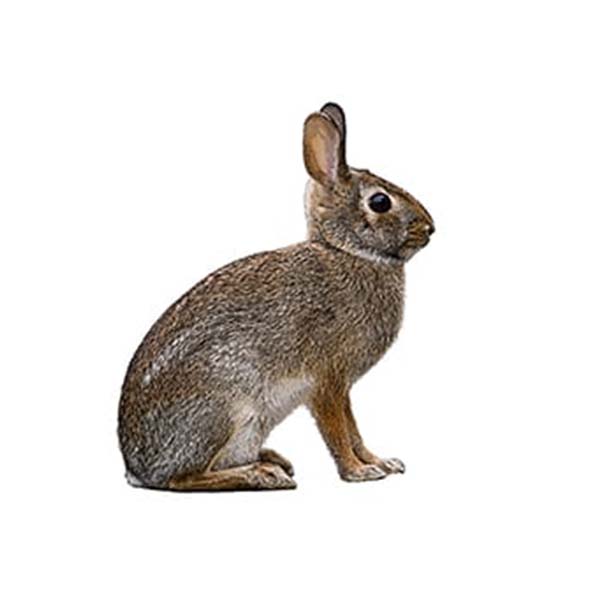
Rabbits are common mammals known for their long ears, rounded bodies, strong back legs, and feeding habits as they browse on plants and garden vegetation.
- Actual Size Approximately 1 to 2 feet in length
- Characteristics Small herbivorous animals known for their strong hind legs, quick movements, and grazing habits around lawns, gardens, and natural areas.
- Coloration Fur colors vary and may include shades of brown, gray, white, black, and combinations of these patterns.
What Do Rabbits Do?
Rabbits feed on grasses, flowers, vegetables, and other plant material, often grazing through lawns and gardens in search of food. This feeding behavior can create noticeable damage to landscaping, gardens, and ornamental plants.
- They can reproduce quickly, which allows populations to increase rapidly when food and shelter are available.
- Rabbits often create burrows or use hidden areas with dense vegetation for shelter and nesting.
- Rabbits use their strong back legs to jump, run, and quickly change direction when threatened.
- They have continuously growing teeth that help them chew through tough plant material.
Where Do You Find Rabbits?
Because rabbits are attracted to areas with abundant plant growth and safe places to rest, they are frequently found around residential landscapes, natural areas, and outdoor spaces. Common places include:
- Gardens and vegetable patches
- Lawns and grassy yards
- Fields and meadows
- Shrubbery and dense vegetation
- Along wooded edges and tree lines
- Under decks, sheds, and outdoor structures
- Near fences and landscaped areas
- Parks and natural open spaces
What Should I Do If I Have Rabbits in Georgia?
Rabbits frequently visit yards, gardens, and landscaped areas where they feed on plants and greenery. If their activity begins causing noticeable damage, the following prevention steps may help:
- Install fencing around gardens, flower beds, and vulnerable plants to help prevent rabbits from feeding on vegetation.
- Remove weeds, brush, and excess vegetation that may provide hiding places or shelter.
- Protect young plants with covers or barriers to reduce chewing and feeding damage.
- Seal gaps under sheds, decks, and outdoor structures where rabbits may hide or create nesting areas.
- Keep grass and landscaping maintained to reduce areas where rabbits can find cover.
- Contact a professional wildlife control company if rabbit activity becomes excessive or continues despite prevention efforts.
Top 5 FAQs About Rabbits in Georgia
Have questions about rabbits and ways to prevent property damage? Check out our FAQ section below for helpful answers, and reach out by phone or email if you need more information.
Are rabbits dangerous?
No, rabbits are not considered dangerous to humans. However, they can become a nuisance when they damage gardens, landscaping, and outdoor plants.
What do rabbits eat?
Rabbits are herbivores that feed on a variety of plant materials, including:
• Grass
• Flowers
• Vegetables
• Leaves
• Shrubs
• Garden plants
• Grass
• Flowers
• Vegetables
• Leaves
• Shrubs
• Garden plants
What kind of damage can rabbits cause?
Rabbits can damage lawns, gardens, and landscaping by chewing on plants, flowers, vegetables, and young trees. Heavy feeding activity may leave behind damaged vegetation and missing sections of plants.
How can I reduce rabbits around my property?
You can reduce rabbit activity by removing hiding places, securing gardens, maintaining landscaping, and blocking access to areas where rabbits may nest. If rabbit problems continue or become difficult to manage, a professional wildlife control company can help.
When should I contact a professional wildlife control company for rabbits?
Consider contacting a professional wildlife control company if rabbits are causing ongoing landscape damage, increasing in numbers, nesting near structures, or returning despite prevention efforts. Professionals can help identify the cause of the activity and recommend effective solutions.