Raccoons in Georgia
Health RiskHigh
Damage RiskMedium
NuisanceHigh
How to Identify Raccoons
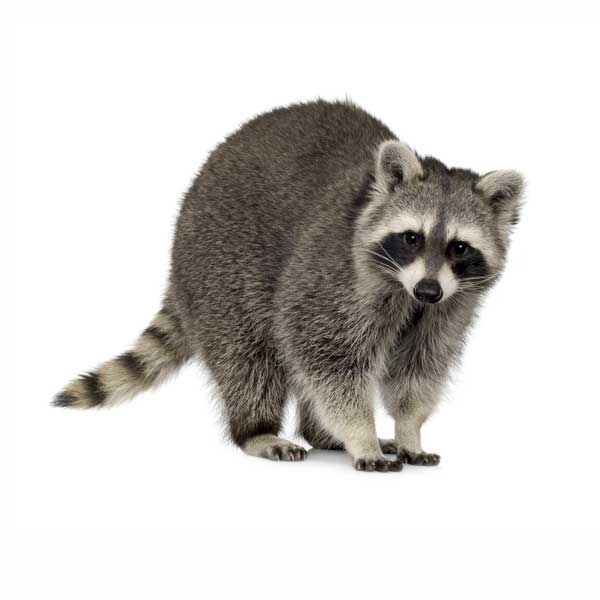
Raccoons are nighttime-active mammals recognized for their gray fur, distinctive black facial mask, and ringed tails, often climbing and exploring both natural and urban environments in search of food.
- Actual Size 2 to 3 feet in total length, including the tail
- Characteristics Nocturnal scavenger recognized for its dexterous front paws, masked facial markings, and ability to climb while foraging.
- Coloration Thick grayish fur with black facial markings and a ringed tail.
What Do Raccoons Do?
Raccoons are highly adaptable omnivores that feed on fruits, insects, eggs, and discarded human food, and are commonly found in forests, suburbs, and cities. Their nocturnal foraging often leads them into neighborhoods in search of easy meals.
- Highly intelligent mammals known for their problem-solving abilities and curiosity.
- They have extremely dexterous front paws that allow them to open containers, doors, and latches.
- They often use attics, chimneys, and crawl spaces for nesting when living near people.
- Can carry parasites and diseases, making proper caution important when they are near homes.
Where Do You Find Raccoons?
Raccoons typically inhabit wooded regions, residential areas, and blended natural environments where they can find abundant food sources and safe shelter. Common places you’ll find raccoons include:
- Wooded forests with dense tree cover
- Suburban neighborhoods with accessible trash and food sources
- Urban alleys and city streets near dumpsters
- Residential backyards with sheds, decks, and crawl spaces
- Parks and green spaces with trees and water access
- Attics, chimneys, and garages in residential homes
- Agricultural areas and farm edges with crops and stored feed
What Should I Do If I Have Raccoons in Georgia?
Raccoons often live in outdoor environments such as wooded neighborhoods, residential properties near forests, and overgrown landscapes, where they may nest in attics or under structures and cause property concerns. If raccoons are causing problems on your property, the following steps are recommended:
- Use secure, tightly sealed trash cans or wildlife-proof containers to eliminate easy access to food.
- Bring pet food indoors and remove bird seed at night when raccoons are most active.
- Seal openings around the home, including attic vents, crawl spaces, and gaps beneath decks or sheds.
- Cut back tree limbs that extend close to your roof to limit access to your structure.
- Check attics, garages, and chimneys for nesting signs such as droppings, shredded insulation, or noise.
- Add motion-activated lights or deterrent devices to discourage raccoons from approaching your property at night.
- Reach out to professional wildlife control for effective removal and long-term raccoon prevention solutions.
Top 5 FAQs About Raccoons in Georgia
For answers about raccoons and removal options, please see our FAQ section below. If you have further questions, reach out by phone or email.
Are raccoons dangerous to humans?
While not typically aggressive, they can bite or scratch if threatened and may carry parasites or diseases.
Where do raccoons nest?
Raccoons often nest in attics, chimneys, crawl spaces, hollow trees, or under decks and sheds.
Can raccoons damage my home?
Yes, raccoons can tear insulation, damage roofing, rip vents, and create entry points while trying to access shelter.
Do raccoons carry diseases?
Raccoons can carry diseases such as rabies and parasites like roundworm, fleas, and ticks, which can pose health risks.
How do I keep raccoons away?
Secure trash, remove outdoor food sources, seal entry points, trim trees near roofs, and contact wildlife control for persistent issues.