Armadillos in Georgia
Health RiskLow
Damage RiskLow
NuisanceMedium
How to Identify Armadillos
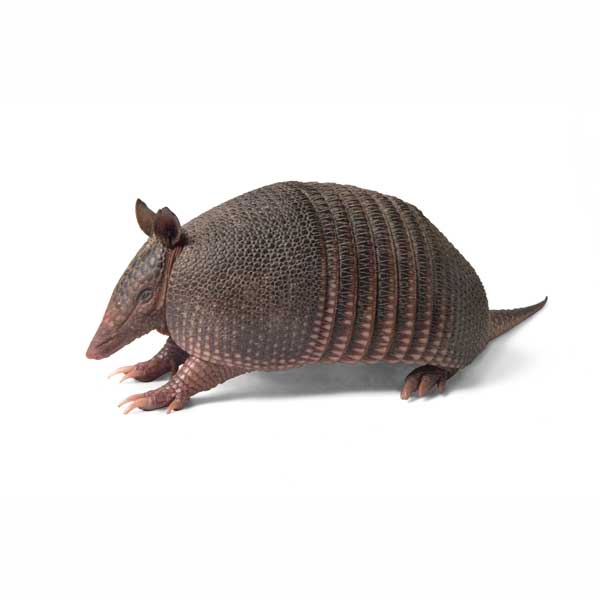
Armadillos are small, nocturnal mammals known for their armored shells, pointed snouts, and digging behavior as they search for insects in the ground.
- Actual Size 1 to 3 feet in length
- Characteristics Nocturnal animals that move slowly while foraging for insects, often leaving small holes in lawns and soft soil.
- Coloration Tough, layered armor with shades of grayish brown and a slightly paler underside.
What Do Armadillos Do?
Armadillos feed on a diet of insects, grubs, and worms, which they uncover by rooting through lawns and loose soil. This digging behavior can create noticeable damage in yards, parks, and landscaped areas.
- They are strong diggers and use their sharp claws to burrow into the ground for food and shelter.
- Some species of armadillos can roll into a partial ball for protection, though not all species have this ability.
- They have poor eyesight but an excellent sense of smell, which helps them locate food underground.
- Armadillos often create burrows that can be used by other wildlife after they leave.
Where Do You Find Armadillos?
Armadillos frequently inhabit environments with soft ground, lawns, and forest edges where food and shelter are readily available, particularly during nighttime activity. Common places you’ll find them include:
- Forest edges and woodlands
- Grasslands and open fields
- Suburban yards with soft soil
- Farmland and pasture areas
- Brushy thickets and scrublands
- Sandy or loose-soil environments
- Wetland borders and marsh edges
- Golf courses and landscaped parks
What Should I Do If I Have Armadillos in Georgia?
Armadillos frequently roam between grassy areas, gardens, and natural habitats, where their rooting and burrowing behavior can lead to soil disruption and lawn damage. When they become a problem, the following steps are recommended:
- Fill existing holes and compact loose soil to discourage reuse of burrowing sites.
- Install underground fencing or barriers that extend below the soil surface to block digging access.
- Keep lawns well-maintained and reduce overwatered or soft soil areas that attract armadillos.
- Clear brush, woodpiles, and debris that may provide shelter near your home.
- Use motion-activated lights or sprinklers to discourage nighttime foraging activity.
- Contact a professional wildlife control service for persistent armadillo digging or recurring yard damage.
Top 5 FAQs About Armadillos in Georgia
If you’re looking for answers about armadillos and how to deal with them, review our frequently asked questions below. If you have additional questions, contact us by phone or email.
Are armadillos dangerous to humans?
They are generally not aggressive, but they can carry diseases and should not be handled.
Why do armadillos dig in yards?
They dig to find food like grubs and insects, which can leave holes and disturbed soil in lawns.
Do armadillos damage property?
Yes, their burrowing and digging can damage lawns, gardens, and landscaping.
Do armadillos carry diseases?
Some armadillos can carry bacteria associated with leprosy, though transmission to humans is rare.
How can armadillos be controlled or deterred?
Removing food sources, reducing grub populations, installing barriers, and contacting wildlife control professionals can help manage them.