
Buzz Off: How to Keep Wasps Out of Your Car

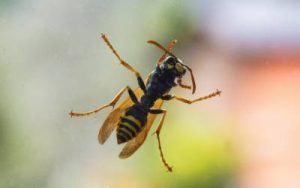
a wasp on a car window trying to get inside a georgia car

a wasp on a car window trying to get inside a georgia carSummertime in Georgia brings sunny days, open roads, and unfortunately, some unwelcome visitors—wasps. These buzzing insects have a knack for finding their way into the smallest of spaces, including your beloved car. Thankfully, there are some easy steps you can take to make sure wasps don’t invade your space. Read on to learn top wasp prevention tips from the experts at Active Pest Control!

Why Do Wasps Build Nests in Cars?

It may seem strange that wasps choose cars for their nesting site, but there are actually a few reasons why vehicles are a top choice for many stinging insects. Wasps often build nests in cars because: 

  • Cars have plenty of shelter: Just like us, wasps appreciate a cozy shelter. Your car’s various nooks and crannies provide ideal spots for their nests. From the gaps under the hood to the crevices in the door panels, they’ll happily take advantage of any available space.
  • Ventilation makes for easy access: Wasps are resourceful little creatures. They’re drawn to cars because of the air vents, which provide excellent ventilation for their nests. The steady flow of air allows their offspring to breathe comfortably, and who can blame them for wanting a breeze during hot Georgia summers?
  • Old crumbs provide plenty of food: Wasps have a notorious sweet tooth. They’re attracted to sugary substances, such as spilled beverages or food remnants, that might be lurking inside your car. These tantalizing snacks serve as extra motivation for them to explore and establish their nests.
  • Sedentary cars are secluded: Wasps are crafty creatures that prefer to build their nests in hidden locations, away from prying eyes and curious predators. The protected environment of your car provides them with the perfect camouflage, shielding their nests from unwanted attention.

How to Keep Wasps Out of Your Car

Now that we understand why wasps find cars so appealing, it’s time to unleash our arsenal of preventive measures:

  • Remove any trash and vacuum regularly
  • Keep windows and doors closed
  • Avoid letting your car sit unused 
  • Seal any cracks with mesh or tape
  • Park in sheltered areas if possible
  • Inspect beneath the hood and in the trunk

What to Do if You Have Wasps in Your Car

Despite your best efforts, it’s possible that wasps might come inside your car. If this happens, it’s crucial to remain calm and take the appropriate steps to handle the situation safely. Here’s what you should do:

  • Stay Calm and Pull Over: If you notice wasps flying inside your car while driving, keep your cool and pull over to a safe location. Panicking or swatting at the wasps can lead to accidents or stings.
  • Open All Windows and Doors: Once you’ve safely parked, roll down all the windows and open the doors. This allows the wasps a clear exit path and encourages them to fly out of the vehicle.
  • Exit Slowly and Carefully: Exit the car slowly and cautiously, making sure not to disturb or provoke the wasps. Move away from the vehicle to a safe distance, preferably to an area without any wasp activity.
  • Call a Professional Wasp Exterminator: If you discover a wasp nest inside your car, don’t try to remove it yourself. Wasps can become aggressive when their nest is threatened, and their stings are painful and potentially dangerous. Instead, seek assistance from a professional wasp control company.

Finding wasps in your car can be a terrifying experience, but the experts at Active Pest Control are here to help! Our state-certified technicians have years of experience handling buzzing insects throughout Georgia, and they know how to quickly and safely remove wasps. To get fast wasp removal services, give us a call today!

Top Tips for Pest-Free Outdoor Living

Avoid mosquitoes in your Atlanta GA backyard with tips from Active Pest ControlWith summer winding down, you’re likely wanting to spend as much time outdoors as possible. Whether you are hosting a backyard barbecue or reading out on your patio at night, the last thing you want to deal with is a pest problem. Mosquitoes, ticks, flies, lawn pests, and wasps are just a few of the many pests that can become quite a nuisance. At Active Pest Control, we know you want to enjoy your time spent in your outdoor living spaces to be pest-free, which is why we’re here to provide you with our top tips for pest-free outdoor living in your Atlanta area home.

Common Pests in Your Yard

The time of year that provides nice enough weather for you to be outdoors is also the time of year when pests are most active! Whether you have a garden in your backyard or couches and tables on your deck, you will likely encounter some of the following pests:

How to Prevent Pests in Your Outdoor Living Space

To keep pests away when you’re in your yard, there are several things you can do. The best ways to keep pests away in your outdoor space are as follows.

  1. Get rid of standing water. Mosquitoes only need a half inch of standing water to breed.
  2. Keep your lawn and shrubs trimmed. Overgrown grass or vegetation provides mosquitoes and ticks with shelter.
  3. Know how to look for ant hills. Even a tiny mound can contain thousands of ants inside.
  4. Check wood structures. Termites and carpenter bees will damage your wooden decks or porches.
  5. Use an insect repellent. Insect repellent containing DEET will help repel mosquitoes and ticks.
  6. Clean your patio or space regularly. Crumbs or spilled liquids will attract ants and other insects.

Year-Long Pest-Free Living

Pests are just a fact of life outside. However, you don’t have to let them ruin your time spent in your own backyard! For help implementing pest-free outdoor living tips, the experts at Active Pest Control can help. Contact our residential exterminators to learn more.

Insect Bites in Rome, Georgia

There are a lot of things that can bite your kids in Rome. As a parent, it is important to know how to recognize signs of something serious and how to treat bites, so that your kids–and you–can get back out to play. This is by no means a comprehensive article on the topic of insect bites. Our focus is to cover the three types of bugs that will bite you most and give you some tips on how to lessen the impact these bugs can have on a beautiful summer day.

Stinging Insects

Here are some things you and your kids need to know if you get stung by anything.

· Most bites are benign, but if you or your child has an allergy, things can go from irritating to dangerous, fast. If they have trouble breathing, issues swallowing, wheezing, or facial swelling, seek medical attention immediately. Severe allergic reactions can even lead to anaphylactic shock.

· Stay calm. Frantic movement can cause the insect to sting again.

· Move away from the insect that stung you. Many stinging insects have the ability to swarm.

· Get the stinger out as soon as you can. When bees sting, they leave their stinger and venom pouch on the wound. The venom pouch will continue to pump venom for over a minute. Scratch it off; don’t pinch. Pinching can cause the rest of the venom to deploy.

· After the initial scratch, stop scratching. Scratching a bite can cause infection.

· Elevating a limb and applying an ice pack for at least 15-20 minutes each hour will reduce swelling.

Tick Bites

There are a whole ton of diseases that can be spread by tick bite but, by far, the worst is Lyme disease. Contrary to what you may have heard, Lyme disease can be found in Georgia and should never be ruled out when dealing with a tick bite. Here are the three things you need to know most about ticks.

· Lyme disease does not always leave a recognizable bullseye rash on the skin. This can throw some doctors off.

· Lyme disease takes 24 to 48 hours to transfer from the tick.

· If you or one of your children get bitten by a tick, it is important to catch the tick and bring it in with you to the doctor. Lyme disease can cause extended medical complications. Knowing if Lyme disease is a factor will lead to quicker treatment.

Mosquito Bites

With increased travel and more deadly viruses getting into the United States from other countries, it is becoming more important to protect ourselves. But, if you get bitten, here are some things to remember.

· Avoid scratching the bites. This will only make the itching worse.

· You can alleviate the itching of a mosquito bite by using 1% hydrocortisone cream or calamine lotion. Always follow the manufacturer’s directions for dosage and usage for all first aid products.

· An ice pack can help to relieve itching.

· If you develop flu-like symptoms after being bitten by mosquitoes, consider consulting a doctor. It is always better to be safe than sorry.

For protection from stinging insects, ticks, and mosquitoes on your property in Rome, Georgia, give us a call at Active Pest Control. Fewer biting insects in your backyard mean fewer bites. And that is always the best way to go.

Protecting The Pollinators

Active Pest Control is making great strides to protect pollinators in our environment. Bees of all types play an important role in transferring pollen from bloom to bloom and helping to ensure that our food and plants continue to thrive year after year.

We, just as many of our customers, are concerned with the decline in the population of bees with particular attention on the most efficient pollinator, the honeybee. Science is still determining root causes for this decline and they have identified several factors; parasites, pathogens of adult and young bees, bee nutrition, weather, genetic variation, beekeeping practices, and pesticide exposure. No single factor is to blame.

To cap off Pollinator Protection week in June of 2013, President Obama issued a Presidential memorandum. That memorandum tasked a newly created “Pollinator Health Task Force” to expand federal efforts to reverse pollinator losses and help restore populations to healthy levels. The Environmental Protection Agency (EPA), a key member of this task force, has narrowed its focus down immediately to a specific type of insecticide class called neonicotinoids that has been implicated in some of the high profile bee kills seen in different parts of the country.

Honey bees and other pollinators are considered beneficial insects and we do not condone the use of insecticides of any kind on them. It is our position that honeybees are a valuable resource that should be protected. We aim to manage infestations of these insects by removal relocation and not extermination and encourage homeowners to try and live in harmony while the bees are foraging for pollen around their homes.

Active Pest Control is very aware of the pollinator issue facing us. We are working closely with our state pest control association, our national association, and our state regulatory agency to stay on the forefront of information and best management practices for management of household pests in combination with pollinator protection. We follow all EPA guidelines and label directions to ensure that we are doing what is appropriate based on the science available to us. We have shifted our product selection or exterior foliar application away from the implicated insecticides and have trained all of our partners to be extra observant when treating for normal pest issues. Treatments will be focused, and applications will not be made to buds, blooms, or leaves of flowering plants so pollinators will not come in contact with them during their foraging activities.

If you do have concerns with honeybees in or around your Atlanta property, please do not make any application of an insecticide. Please notify Active Pest Control so that we can investigate and respond accordingly for protection of this natural resource.