

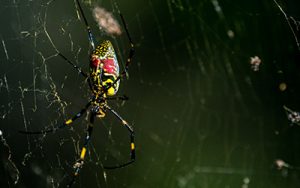
Have you recently experienced an unexpected encounter in your own backyard, coming face-to-face with a spider that’s anything but ordinary? If you’ve noticed a strikingly large spider with a web that seems to command the space between your trees, you’re not alone. Many residents in Georgia have reported sightings of what is believed to be the Joro Spider, a species of orb-weaver spider that has been gradually making its way across the eastern United States.
This guide is tailored for you, aiming to demystify the presence of this intriguing arachnid in your surroundings and if spider extermination intervention is needed.
Identifying the Joro Spider:
The Joro Spider, with its sizeable physique and vibrant colors, easily stands out from the more familiar spiders you might encounter. This difference is particularly pronounced between males and females due to sexual dimorphism, a biological phenomenon where the two sexes of the same species exhibit different characteristics beyond their sexual organs.
Here’s how to tell male and female Joro spiders apart:
Female:
- Size: Large, with a body length of about 0.75-1 inch and a leg span of up to 4 inches.
- Color: Bright yellow and blue body with distinctive red markings.
- Web: Builds large, intricate webs that can span up to 10 feet.
Male:
- Size: Noticeably smaller than their female counterparts.
- Color: Darker, less vibrant, with more subdued colors.
- Web: Does not build webs as females do.
The Joro Spider’s web is a marvel in itself—large, golden, and incredibly robust, effectively capturing a wide array of insects.
Where is the Joro Spider Found?
Initially believed to need a large natural habitat in tropical climate for optimal survival, the Joro Spider has defied expectations by showcasing an impressive capacity to acclimate to diverse environments, even thriving in urban landscapes. Observations of their proliferation near highways and within cities have underscored their remarkable adaptability, prompting inquiries into the extent of their potential range expansion.
Is the Joro Spider Dangerous?
Despite their imposing appearance, Joro spiders typically pose minimal threat to humans. While possessing fangs with the capability to bite, these arachnids generally exhibit timid behavior, preferring to retreat rather than engage in confrontation.
The History and Future of Joro Spiders:
Originating from East Asia, the Joro Spider is thought to have been inadvertently brought to the U.S. via shipping containers, leading to their presence in various states, including Georgia.
As for the Future of the Joro Spider in Georgia, it appears that the Joro Spider is here to stay. With their adaptability and successful breeding patterns, their numbers are likely to grow, further embedding themselves into the local ecosystem.
Got Questions About Spiders?
While the arrival of the Joro Spider in Georgia may initially bring unease due to its size and unfamiliar appearance, it’s crucial to remember that they are largely harmless. However, understanding and cohabitating with new species can be challenging.
If you find yourself concerned about the Joro Spider or any other pest issues, contact Active Pest Control for expert advice, information, and specialized spider removal services. Our team is equipped with the knowledge and tools needed to address any pest situation, ensuring your home remains a safe and comfortable environment.
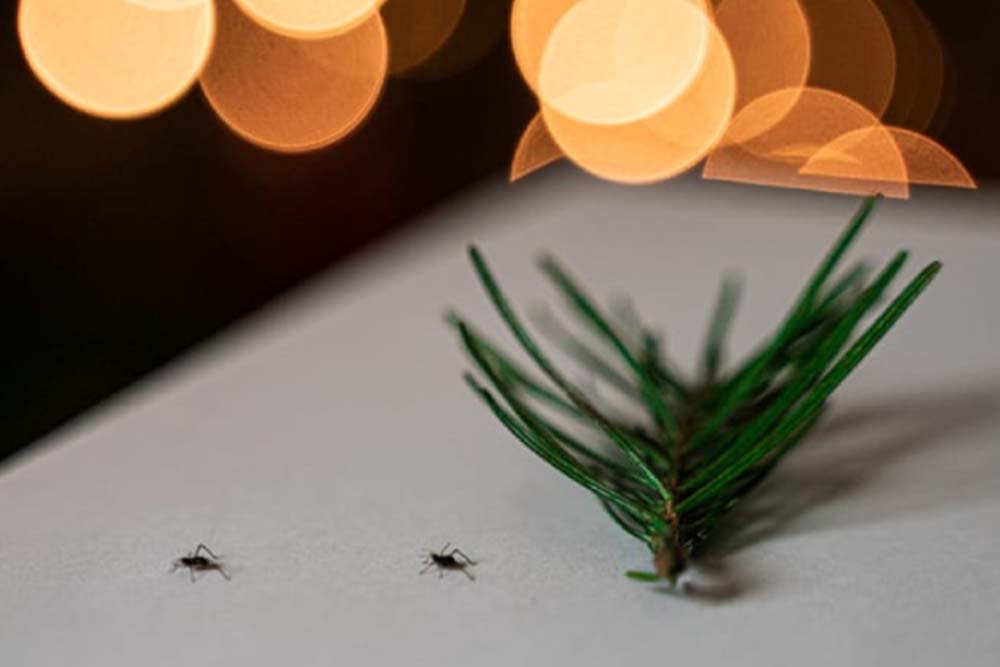 Imagine the following: You are sitting on your couch, enjoying your Hallmark Christmas movie when all of a sudden you are overrun by countless numbers of bugs and other creepy crawlies! While this may sound like a scene straight from a horror movie, it is actually a very real possibility. Live Christmas trees that are brought inside are a thriving ecosystem for certain insects and spiders. In fact, entomologists have reported that a single tree can contain up to 25,000 insects at a time. No one wants to deal with a pest infestation in their homes, especially during the holidays. To learn how to prevent Christmas tree insects in your Atlanta GA home this holiday season, read on for tips with Active Pest Control!
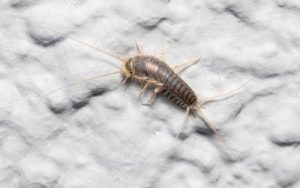 The bathroom is the place where we go to get clean. The last thing we want is for our bathrooms to be teeming with unwanted critters! Many kinds of pests are attracted to the moisture and humidity that accumulates in our bathrooms, whether that be for hospitable temperatures, water to drink, or to prey on the insects that are gathering there. Read on to learn from the experts at Active Pest Control about the types of pests that congregate in our Atlanta bathrooms.
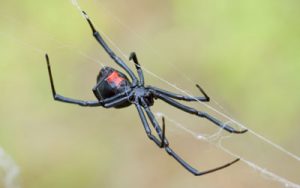 Spiders can be a common pest year-round here in Georgia. Most spiders hatch in the springtime, begin to reproduce in the summer, and are at full force by the time the late summer and early fall months roll around. This is why fall is sometimes called the season of spiders! The good news is that most spiders you will encounter in your home are not going to be of harm to you or your family.
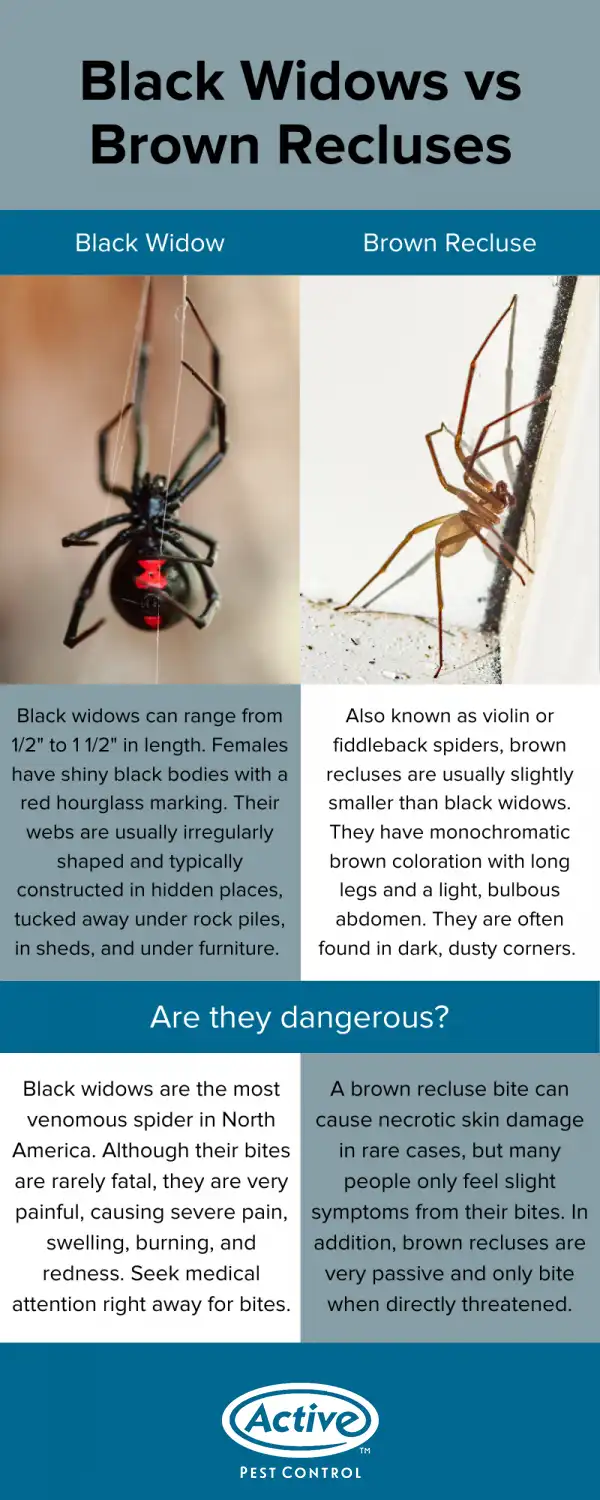 5 Ways to Prevent Fall Spiders
 With summer winding down, you’re likely wanting to spend as much time outdoors as possible. Whether you are hosting a backyard barbecue or reading out on your patio at night, the last thing you want to deal with is a pest problem. Mosquitoes, ticks, flies, lawn pests, and wasps are just a few of the many pests that can become quite a nuisance. At Active Pest Control, we know you want to enjoy your time spent in your outdoor living spaces to be pest-free, which is why we’re here to provide you with our top tips for pest-free outdoor living in your Atlanta area home.
 Everyone knows pests are a problem in the spring and summer months, but what about in the winter? Unfortunately, pests don’t disappear with the colder weather. In fact, many pests will look for ways to enter homes to escape the dropping temperatures, which is why infestations are common in Georgia winters. To protect your property from pest problems in the winter, it’s important to implement pest control and prevention.


