

Does it seem like there are more insects in your home during the fall and winter? Unfortunately, it’s not your imagination. It’s fall pests looking for ways to get out of the increasingly cold weather.
Some of these fall pests will migrate to warmer climates or burrow under debris, but others may decide they want to spend the winter in your warm, dry home. This phenomenon is referred to as overwintering, and it pays to look for warning signs before you end up with an infestation in your home.
Finding a bug on the countertops or in the corners of a room in your home is no fun. However, what’s even worse and could cause even more damage, are the pests hiding where you can’t see them. The fall pests most likely to take refuge here can include Asian Lady beetles, stink bugs, termites, wasps, rodents, and armyworms.
Asian Lady Beetles
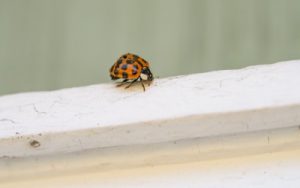
If you find what looks like a ladybug in your home, it may not be a ladybug. If it’s larger than your garden-variety ladybug, you may be looking at an Asian Lady beetle (which may or may not have spots). And if you’ve found one, the odds are good that it’s not alone.
These beetles release a foul-smelling yellow substance when disturbed or crushed, which can stain walls, fabrics, and other surfaces.
Some people may experience allergic reactions to these beetles, including respiratory issues, eye irritation, and skin reactions. In rare cases, they’ve been known to bite, causing minor welts or discomfort.
Asian Lady beetles travel together in groups, using pheromones to communicate their location. That means that if one comes into your home to get out of the cold, the result can be an infestation. You can prevent this, along with most other fall pest infestations, by making sure you seal any gaps or openings in the exterior of your home.
Stink Bugs
The species of stink bug you’re most likely to encounter in your home in the US is the Brown Marmorated stink bug, which is an invasive non-native species from Asia. They’re flat and shaped like a shield, colored in mottled shades of brown and gray, and range in size from around ¼” to ⅜”.
True to their name, stink bugs emit a terrible odor when threatened or squashed. The smell can linger in your home and is particularly unpleasant in enclosed spaces. Large numbers of stink bugs can also damage houseplants as they feed on them.
They’re fond of quiet, out-of-the-way parts of your home where they won’t be bothered. They tend to congregate in walls and attics, potentially dying in hard-to-reach places and attracting other pests like carpet beetles that feed on dead insects.
Termites
Termites are easily the most destructive pest in the US. The annual cost of termite damage and mitigation in the US is estimated at up to $30 billion. Termites, if you have them, are always trying to enter your home. But fall and winter are when subterranean termites (the most damaging species) tend to burrow deep into the ground to wait out the cold weather.
They feed on wood 24/7, potentially compromising your home’s foundation, support beams, and walls. Unlike other fall pests that are mainly nuisances, termites can literally eat you out of house and home, making early detection and prevention crucial.
So if you have an infestation, you may not notice it until spring. And at that point, the nest, and the damage, could be much more extensive. Once termites can get into your home, they will consume wood and anything else that contains cellulose.
Signs of termites in your home may include blisters on painted surfaces, hollow-sounding wood, and unexplained pinhole-sized holes.
Rodents
Squirrels, roof rats, and mice are all agile creatures and excellent climbers. You’ve surely seen them make their way from branch to branch or along narrow fences. It shouldn’t come as a surprise that they can get into your attic and make a nest.
Rodents seeking winter shelter bring numerous health and safety concerns. They can contaminate food supplies with their droppings and urine, spreading diseases like hantavirus, salmonella, and leptospirosis. They also gnaw constantly to keep their teeth sharp, potentially damaging electrical wires (creating fire hazards), insulation, and structural materials.
Luckily, these rodents don’t tend to be very stealthy. After some time, you’ll hear them scratching or gnawing from up above or inside the walls. Those are both signs that you have one inside your attic or wall voids, and that means it’s time to call an experienced rodent exterminator like Active Pest Control.
Wasps
Wasp colonies do not overwinter in the colder season, which leaves the workers to die with the oncoming winter. Fertilized queens, however, survive the cold outdoors and leave the nest for shelter like hollow logs, tree stumps, or in certain structures, like the attic of your home.
Wasps can be aggressive when disturbed, and their stings are painful and potentially life-threatening for those with allergies.
So here’s a question for you: How sure are you that your attic vents are all screened from the outdoors? If you’re not very sure, consider calling us to inspect your attic and install them for you. They can prevent wasps, birds, and all manner of creatures from making themselves comfortable without you knowing.
Armyworms
Though armyworms don’t typically invade the insides of homes like other fall pests, they deserve mention for the havoc they can wreak on Georgia lawns. The damage they cause to your landscape can be devastating and expensive to repair.
They’re particularly active in September and October, and can destroy an entire lawn in just a few days. These caterpillars march across lawns in large numbers, devouring grass blades and leaving behind brown, bare patches.
How to Prevent Fall Pests
Once pests establish themselves in or around your home, they’re much harder to eliminate. Taking proactive steps now can save you from dealing with a full-blown infestation when spring arrives. These prevention and exclusion methods are your best defenses against fall pest infestations:
- Start by sealing entry points around your home. Caulk cracks around windows and doors, install door sweeps, and repair torn screens.
- Keep vegetation trimmed back from your home’s exterior and store firewood at least 20 feet away from structures.
- Inside, reduce clutter in basements and attics where pests like to hide, fix any moisture issues, and store food in airtight containers.
- Vacuum regularly to help eliminate insects that have already made it inside.
- Schedule a professional pest inspection in early fall to identify and address potential problem areas before pests move in for the winter.
Top Exterminators for Fall Pest Control
If you have some unwelcome fall pests, Active Pest Control is ready to help with home pest control services. Active Pest Control has been proud to provide Georgia residents with quality pest control services for over 45 years. Contact us now for a free quote!
Last updated in October 2025.

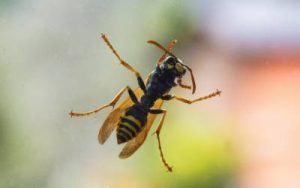 Summertime in Georgia brings sunny days, open roads, and unfortunately, some unwelcome visitors—wasps. These buzzing insects have a knack for finding their way into the smallest of spaces, including your beloved car. Thankfully, there are some easy steps you can take to make sure wasps don’t invade your space. Read on to learn top wasp prevention tips from the experts at Active Pest Control!
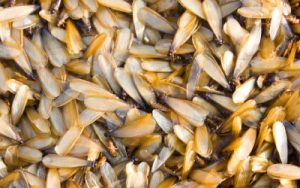 Many of these insects are just a nuisance but some of them can be dangerous to people or harmful to property. Learn which insects to watch out for, what you can do to protect your home, and how Active Pest Control can help if these precautions aren’t enough.
  Spring and summer in Georgia come with a lot to be excited about. However, the warm weather and sunshine following rainfall lead to all kinds of pest problems in our region. It’s important to be able to stop pests from finding food sources, shelter, and breeding grounds in your backyard, because without any effort put into pest prevention, your background will be overrun with pests for most of the year. If you’re wondering how you can pest-proof your backyard, read on for advice from our expert exterminators at Active Pest Control!
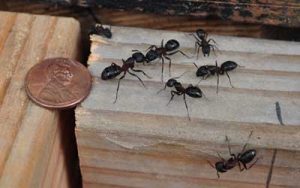 Have you noticed that pests start to get worse here in Atlanta as spring temperatures warm up? Wasps and bees begin to buzz around, winged insects crawl on your exterior walls, and you start to notice the dreaded ants crawling along your floorboards. Springtime is pest time nationwide. This time of the year is when many pests that were less active in the winter months begin to come out of dormancy. The reason why pest problems become so common in the spring, however, is because many of the pests were already lying in wait in the winter—right inside your home.
 With summer winding down, you’re likely wanting to spend as much time outdoors as possible. Whether you are hosting a backyard barbecue or reading out on your patio at night, the last thing you want to deal with is a pest problem. Mosquitoes, ticks, flies, lawn pests, and wasps are just a few of the many pests that can become quite a nuisance. At Active Pest Control, we know you want to enjoy your time spent in your outdoor living spaces to be pest-free, which is why we’re here to provide you with our top tips for pest-free outdoor living in your Atlanta area home.


