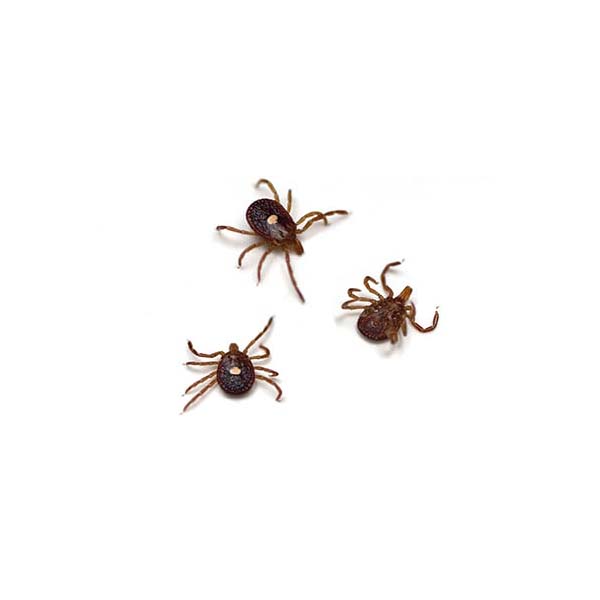
Lone Star Tick

Lone star tick identification  - Active Pest Control
Health RiskHigh
Damage RiskNo Risk
NuisanceHigh

How to Identify Lone Star Ticks

Lone Star ticks are tiny blood-feeding parasites equipped with adapted mouthparts that allow them to latch onto people and animals for feeding.
  • Actual Size Typically 2 to 5 mm (larger when engorged after feeding)
  • Characteristics Small parasites that are brown to reddish-brown in color, with a distinctive white “star” marking on the back of adult females.
  • Legs 8
  • Antennae No
  • Wings No

What Do Lone Star Ticks Do?

Lone Star ticks are parasitic arachnids that require blood meals from animals and humans to survive. They are typically found in grassy fields, forests, and areas with dense vegetation.
  • Bites can cause irritation, redness, and in some cases, more severe allergic reactions in humans and animals.
  • Known for their distinctive white spot on adult females and their strong preference for warm, humid environments.
  • Can transmit diseases such as ehrlichiosis, tularemia, and other bacterial infections under certain conditions.
  • Can also be associated with alpha-gal syndrome, a red meat allergy triggered in some individuals after a bite.

Where Do You Find Lone Star Ticks?

Lone Star ticks thrive in outdoor environments with heavy vegetation and frequent wildlife activity. They are commonly found in natural outdoor habitats where conditions support their survival. Common places you’ll find Lone Star ticks include:
  • Wooded areas and forest floors with dense leaf litter
  • Tall grass and overgrown fields
  • Brushy or shrubby landscapes and forest edges
  • Hiking trails and wildlife paths
  • Lawns and yards near wooded or natural areas
  • Parks, campgrounds, and nature preserves
  • Indoor spaces where ticks are brought in on clothing, pets, or outdoor gear, such as homes, garages, and entryways

What Should I Do If I Have Lone Star Ticks in Georgia?

Lone Star ticks can be challenging to control when they are transported indoors via pets, clothing, or outdoor equipment and begin showing up inside the home. If you are facing a Lone Star tick problem, the following steps are recommended:
  • Shower soon after outdoor activity to help remove any unattached ticks.
  • Clean the bite area and hands with soap and water or rubbing alcohol after removal.
  • Wash clothing, bedding, and outdoor gear in hot water and dry on high heat.
  • Inspect pets regularly and use veterinarian-approved tick prevention products.
  • Reduce tick habitats by keeping grass short and removing brush, leaf litter, and overgrowth around the property.
  • Avoid walking through tall grass and dense vegetation where ticks are commonly found.
  • Wear long sleeves, long pants, and use EPA-approved tick repellents when outdoors.
  • Contact a medical professional if symptoms appear after a tick bite, such as rash, fever, or flu-like illness.
  • Contact a professional pest control service if Lone Star tick activity is persistent, widespread, or difficult to manage around your property.

Top 5 FAQs About Lone Star Ticks in Georgia

Curious about Lone Star ticks? Review our FAQ section below, and get in touch by phone or email if you still have questions.
Are Lone Star ticks dangerous?
Yes, they can transmit diseases such as ehrlichiosis and tularemia, and are also linked to alpha-gal syndrome, a red meat allergy.
How can I prevent Lone Star tick bites?
Wear long clothing, use EPA-approved repellents, avoid tall grass, and perform thorough tick checks after outdoor activities.
What should I do if I find a Lone Star tick attached to my skin?
Remove it carefully with fine-tipped tweezers, clean the area, and monitor for any symptoms or signs of illness.
Can Lone Star ticks enter homes?
Yes, they can be brought indoors on clothing, pets, or outdoor gear, but they do not typically establish long-term infestations indoors.
When should I contact pest control for Lone Star ticks?
You should contact a professional pest control service if tick activity is frequent, widespread, or difficult to manage on your property.

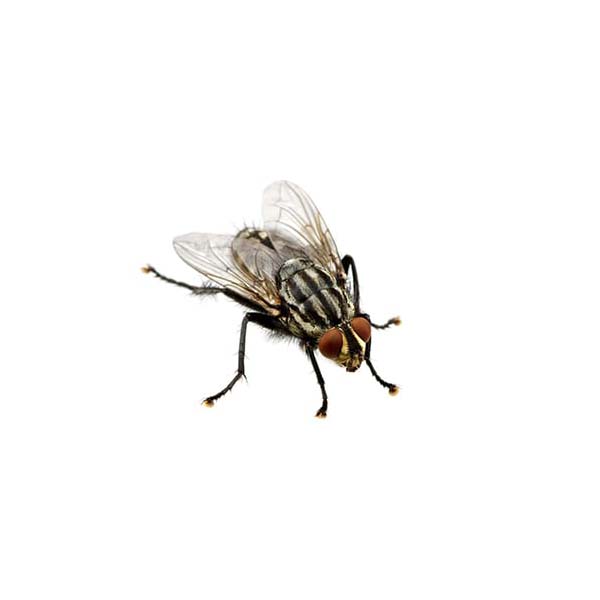
Flesh Fly

Flesh fly identification  - Active Pest Control
Health RiskHigh
Damage RiskMedium
NuisanceMedium

How to Identify Flesh Flies

These flies are known for their robust bodies, quick flight patterns, and gray coloring with dark markings. Flesh flies are often found near areas where organic matter is available for feeding or breeding.
  • Actual Size About ¼ to ½ inch in length
  • Characteristics These flies have robust, grayish bodies with black markings, distinctive abdominal patterns, and strong flying abilities.
  • Legs 6
  • Antennae Yes
  • Wings Yes, with one pair of wings for active flight

What Do Flesh Flies Do?

Flesh flies are often found near sources of decaying organic material, where they feed and lay eggs. As they move between these areas, they may spread contaminants and create unwanted fly problems.
  • They are strong fliers and can quickly move between food sources, breeding areas, and potential shelter locations.
  • Flesh flies are attracted to decaying organic material, animal waste, garbage, and other sources of decomposition.
  • Unlike many other flies, flesh flies often give birth to live larvae instead of laying eggs on their food sources.
  • Flesh flies can carry bacteria and contribute to contamination concerns when they contact food preparation areas or surfaces.

Where Do You Find Flesh Flies?

Flesh flies are frequently found around areas with decomposing materials and strong odors that attract them. They are more active during warmer months when food and breeding sources are easier to find. Common locations include:
  • Around garbage cans, dumpsters, and trash collection areas
  • Near pet waste and animal droppings
  • Around dead animals or decaying organic material
  • Compost piles and areas with rotting vegetation
  • Near farms, livestock areas, and animal enclosures
  • Around outdoor food waste and discarded meat products
  • Inside garages, sheds, and other areas with organic debris
  • Around drains, crawl spaces, and other areas where odors or moisture attract flies

What Should I Do If I Have Flesh Flies in Georgia?

Flesh flies can create sanitation concerns when they appear in large numbers around properties, especially near areas with odors or decomposing materials. If flesh flies are becoming a problem, the following steps may help:
  • Remove garbage, spoiled food, and organic waste from around your property.
  • Keep trash cans tightly sealed and clean up spills or odors that may attract these flies.
  • Remove pet waste regularly and maintain clean outdoor areas.
  • Inspect and seal cracks, gaps, and openings around doors, windows, and other entry points to help prevent access indoors.
  • Clean drains, garbage disposals, and areas where moisture or organic material may collect.
  • Properly dispose of any decaying plant material and animal remains.
  • Contact a professional pest control company if fly activity continues, becomes excessive, or is difficult to manage.

Top 5 FAQs About Flesh Flies in Georgia

Need answers about flesh flies? Check out our most common FAQs below to learn more, and get in touch by phone or email if you have more questions.
Are flesh flies dangerous?
Flesh flies are not considered dangerous to people, but they can create sanitation concerns because they are often associated with decaying organic material. When they land on surfaces or food, they may transfer bacteria and other contaminants.
Where do flesh flies lay their eggs?
Unlike many other flies, flesh flies typically deposit live larvae instead of laying eggs. They place larvae on suitable food sources such as decaying materials, animal remains, or waste where the young can develop.
How can I prevent flesh flies around my property?
You can reduce activity by removing potential food sources, keeping trash containers sealed, cleaning up pet waste, and eliminating odors that may attract flies. Regular sanitation and proper waste management can make your property less appealing.
When are flesh flies most active?
Flesh flies are generally more active during warm weather when breeding and feeding conditions are favorable. They may become more noticeable during spring and summer when temperatures increase, and organic materials are more available.
How can I get rid of flesh flies?
Removing breeding sources and improving sanitation are important first steps. If activity continues or becomes difficult to control, a professional pest control company can inspect the property, identify the source of the problem, and recommend effective treatment options.

Hover Fly

Hover fly identification  - Active Pest Control
Health RiskMedium
Damage RiskLow
NuisanceLow

How to Identify Hover Flies

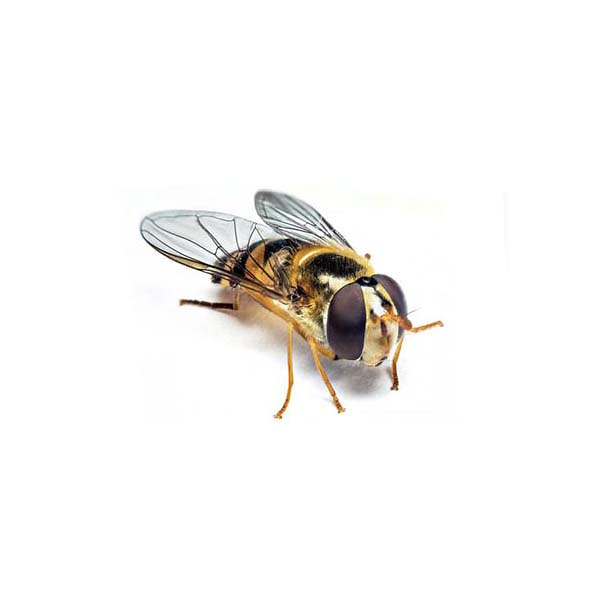
These flies are known for their quick, hovering flight patterns, colorful bodies, and markings that often resemble bees or wasps. Hover flies are frequently seen around flowering plants and outdoor landscapes.
  • Actual Size About ¼ to ½ inch long
  • Characteristics These flies have small to medium-sized bodies with striped or patterned markings, and short antennae.
  • Legs 6
  • Antennae Yes
  • Wings Yes, with one pair of wings that allow rapid movement and hovering behavior

What Do Hover Flies Do?

Hover flies are often attracted to flowering plants and vegetation where they search for food and suitable areas for activity. When they become numerous, they may create an unwanted fly presence around properties.
  • Despite their appearance, hover flies do not sting and are harmless to people.
  • Adult hover flies often feed on nectar and pollen, making them beneficial pollinators in gardens and landscapes.
  • Hover fly larvae feed on small insects, including aphids and other plant pests, helping reduce pest populations naturally.
  • They are strong fliers and can quickly change direction, allowing them to remain suspended in the air or move between plants.

Where Do You Find Hover Flies?

Hover flies are often found around yards, gardens, and natural areas where flowering plants provide food sources. Their numbers may increase during warmer months when plant growth and insect activity are higher. Common places you may find hover flies include:
  • Gardens with flowering plants and shrubs
  • Flower beds and landscaped areas
  • Around trees, bushes, and dense vegetation
  • Meadows, fields, and natural grassy areas
  • Vegetable gardens and orchards
  • Near patios, decks, and outdoor living spaces with nearby plants
  • Parks and other areas with abundant flowers and greenery
  • Around blooming plants, herbs, and other nectar-producing vegetation

What Should I Do If I Have Hover Flies in Georgia?

Hover flies can create a nuisance when they gather around flowering plants, gardens, and areas where people spend time outdoors. If activity is increasing, the following actions are recommended:
  • Remove or limit excess flowering plants near entryways, patios, and outdoor gathering areas if hover fly activity becomes bothersome.
  • Trim back overgrown vegetation, shrubs, and weeds around your home to reduce areas where flies may gather.
  • Keep doors, windows, and other entry points closed or properly screened to help prevent flies from entering indoors.
  • Use outdoor fans near patios or seating areas, as moving air can make it more difficult for flying insects to hover and remain nearby.
  • Avoid planting large amounts of nectar-producing flowers directly near high-traffic areas if hover flies are becoming a nuisance.
  • Contact a professional pest control company if hover fly activity becomes excessive or continues despite prevention efforts.

Top 5 FAQs About Hover Flies in Georgia

Searching for answers about hover flies and how to manage them? Review the FAQ section below, and contact us by phone or email if you need further support.
Are hover flies dangerous?
No, they are not considered dangerous to people. They do not sting or bite, and their bee-like appearance is mainly a natural defense that helps protect them from predators.
What do hover flies eat?
These flies primarily feed on nectar and pollen from flowers. Their larvae may feed on small insects and pests, including:
• Aphids
• Scale insects
• Thrips
• Other small soft-bodied insects
Why do hover flies hover in one place?
Hover flies have a unique ability to remain suspended in the air while flying. They often hover near flowers, plants, or people as they search for food, mates, or suitable areas to explore.
Are hover flies the same as bees or wasps?
No, hover flies are true flies and do not have the ability to sting. Their yellow and black markings may make them resemble bees or wasps, but they are harmless and only mimic these insects for protection.
When should I contact a professional pest control company for hover flies?
They are generally beneficial insects, but if large numbers become a nuisance around your home or outdoor spaces, a professional pest control company can inspect the area, identify contributing factors, and recommend solutions to help manage activity.

Crane Fly

Crane fly identification  - Active Pest Control
Health RiskNo Risk
Damage RiskNo Risk
NuisanceLow

How to Identify Crane Flies

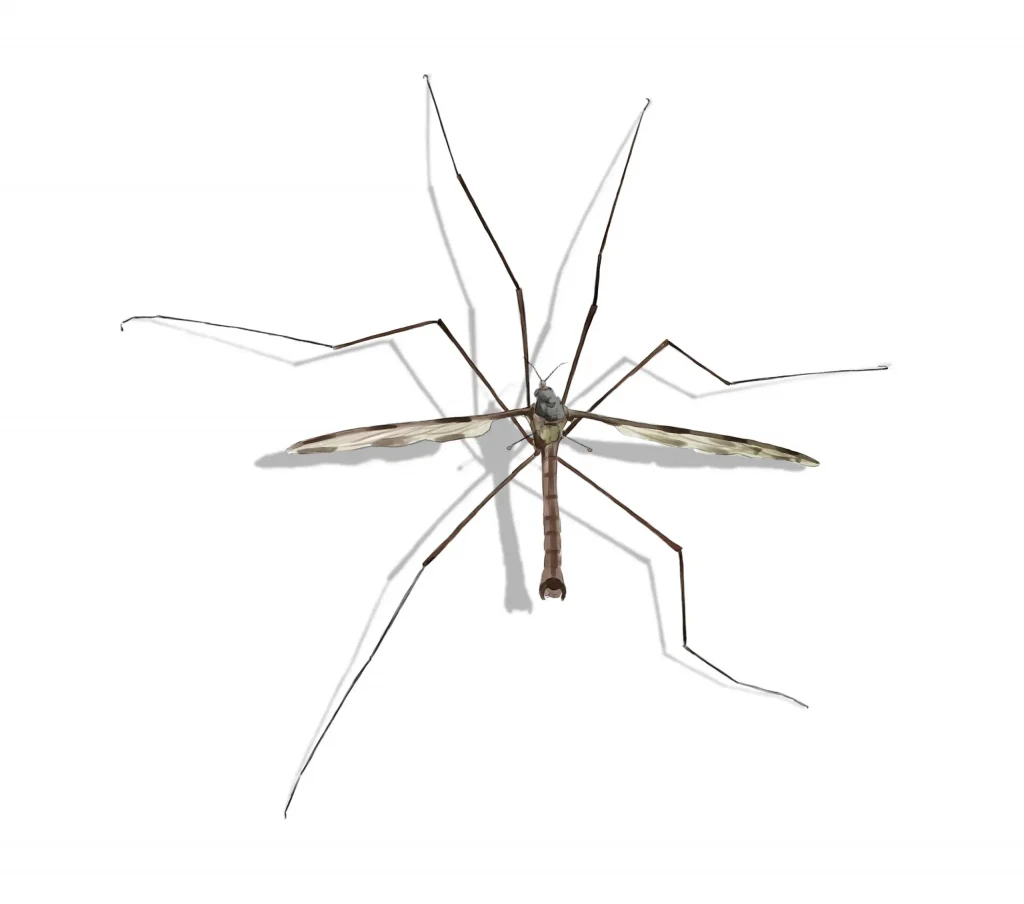
Crane flies are identified by their long, slender bodies, delicate legs, and slow, awkward flight that often causes them to drift aimlessly indoors.
  • Actual Size 10 to 25 mm
  • Characteristics Large, slender flies with long legs and thin bodies that resemble oversized mosquitoes.
  • Legs 6
  • Antennae Yes
  • Wings Yes, with one pair of narrow, transparent wings

What Do Crane Flies Do?

These insects develop in soil and grassy habitats outdoors and are often noticed around homes and vegetation during seasonal changes.
  • Often noticed around outdoor lights, windows, and vegetation during warm, humid evenings.
  • They are frequently mistaken for large mosquitoes due to their long legs and slender bodies, though they do not bite.
  • Adult crane flies are weak fliers and often appear clumsy or slow when moving through the air.
  • Crane fly larvae can sometimes impact turf health when present in large numbers in lawns or grassy areas.

Where Do You Find Crane Flies?

Crane flies are frequently observed hovering around lawns, gardens, and porches, sometimes slipping indoors while attracted to illumination. Other common places you’ll find crane flies include:
  • Gardens and landscaped areas
  • Areas with moist or damp soil
  • Near outdoor lights at night
  • Around porches and patios
  • Near windows and exterior doors
  • Shrubs, tall grass, and vegetation
  • Around ponds, streams, and other moist environments
  • Inside homes near light sources
  • Parks and recreational fields
  • Areas with heavy irrigation or overwatering

What Should I Do If I Have Crane Flies in Georgia?

Crane flies can become a recurring nuisance when they enter homes and gather around bright indoor areas. If crane flies are causing problems, the following steps are recommended:
  • Turn off exterior lights at night or switch to yellow “bug lights” to reduce attraction.
  • Keep doors and windows closed when possible, especially during peak activity times.
  • Install or repair window and door screens to prevent entry.
  • Reduce standing water and overwatered areas around the yard.
  • Keep grass trimmed and outdoor vegetation well-maintained.
  • Use fans indoors to disrupt flying insects and reduce their movement.
  • Limit outdoor lighting near entry points like doors and windows.
  • Contact a professional pest control company if crane flies are repeatedly entering your home or becoming a persistent indoor nuisance.

Top 5 FAQs About Crane Flies in Georgia

If you’re looking for answers about crane flies, review the FAQs below first. If you still need assistance, you can contact us by phone or email.
Why are crane flies in my house?
They often enter homes accidentally while flying toward lights or through open doors and windows.
What do crane flies eat?
Adult crane flies typically do not eat much, while larvae feed on decaying organic matter or plant roots in soil.
Do crane flies damage homes or structures?
No, crane flies do not cause structural damage or infest buildings.
Can crane fly larvae harm lawns?
In large numbers, larvae can feed on grass roots and sometimes cause minor lawn damage.
How do I get rid of crane flies indoors?
Vacuum them up, reduce light attraction, and use screens. Call a pest control professional if they keep coming back or become a persistent problem.

Horse Fly

Horse fly identification and information  - Active Pest Control
Health RiskLow
Damage RiskNo Risk
NuisanceHigh

How to Identify Horse Flies

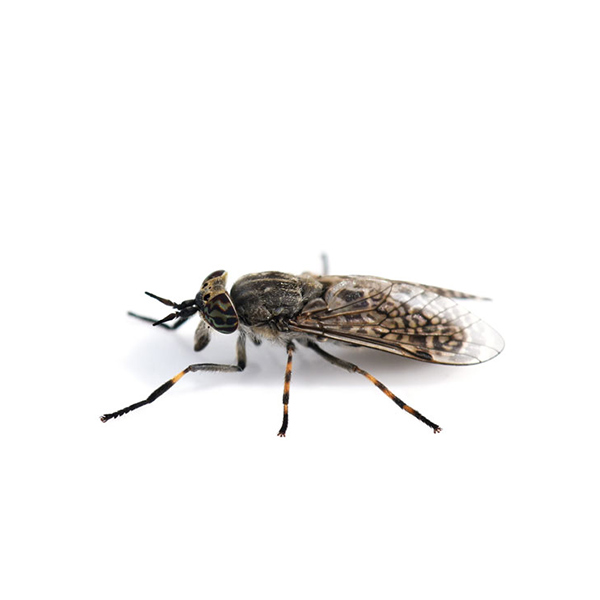
Horse flies are characterized by their strong, rapid flight and painful biting behavior, often seen around livestock, wooded areas, and water sources.
  • Actual Size 10 to 25 mm
  • Characteristics Large, aggressive biting flies with dark bodies and rapid flight patterns.
  • Legs 6
  • Antennae Yes
  • Wings Yes, one pair of clear wings

What Do Horse Flies Do?

Horse flies breed in humid environments with wet soil and standing water and are commonly found near lakeshores, wooded areas, and livestock enclosures.
  • Female horse flies feed on blood and are known for their painful, persistent bites on people and animals.
  • They are strong, fast fliers that can be difficult to avoid once they begin circling a host.
  • Horse flies are attracted to movement, body heat, and carbon dioxide produced by humans and animals.
  • Their bites can cause redness, swelling, irritation, and discomfort that may last for several days.

Where Do You Find Horse Flies?

These biting flies are often observed near wetlands, pastureland, and humid outdoor environments, where they reproduce in moist soil near water sources. Other common places you’ll find horse flies include:
  • Lakeshores and pond edges
  • Marshes and swampy wetlands
  • Farms and pastureland with livestock
  • Horse stables and animal enclosures
  • Hiking trails and wooded recreation areas
  • Rivers, streams, and creek banks
  • Campgrounds and picnic areas near water
  • Tall grassy fields and humid rural environments

What Should I Do If I Have Horse Flies in Georgia?

Horse flies can create significant discomfort outdoors when they appear in large numbers near ponds, marshes, and pastureland and repeatedly bite during the day. If horse flies are causing problems, the following steps are recommended:
  • Wear long sleeves, pants, and light-colored clothing when spending time outdoors in horse fly-prone areas.
  • Apply insect repellents containing DEET, picaridin, or similar active ingredients before going outside.
  • Use fans in patios, barns, and outdoor seating areas to disrupt their strong flight patterns.
  • Keep livestock areas clean and reduce standing water around animal enclosures when possible.
  • Install and maintain screens on windows, porches, and outdoor structures to help prevent entry.
  • Contact a professional pest control service if horse flies become persistent around your property, animals, or outdoor gathering areas.

Top 5 FAQs About Horse Flies in Georgia

To better understand horse flies, check the FAQs below first. If anything is still unclear, you can contact us by phone or email.
When are horse flies most active?
They are most active during warm, sunny days in late spring and summer, especially in the daytime.
What do horse fly bites feel like?
Their bites are often described as sharp and painful, sometimes followed by redness, swelling, and itching.
Can horse flies transmit diseases?
They can transmit certain bacteria, but they are not known to be major carriers of serious diseases in humans.
Do horse flies enter homes?
They are primarily outdoor insects and rarely enter homes unless accidentally brought inside or attracted through open doors.
When should I call a pest control professional for horse flies?
If horse flies are consistently present around your property, livestock, or outdoor spaces, a pest control professional can help identify breeding areas and recommend effective treatment options.

Deer Fly

Deer fly identification and information  - Active Pest Control
Health RiskLow
Damage RiskNo Risk
NuisanceHigh

How to Identify Deer Flies

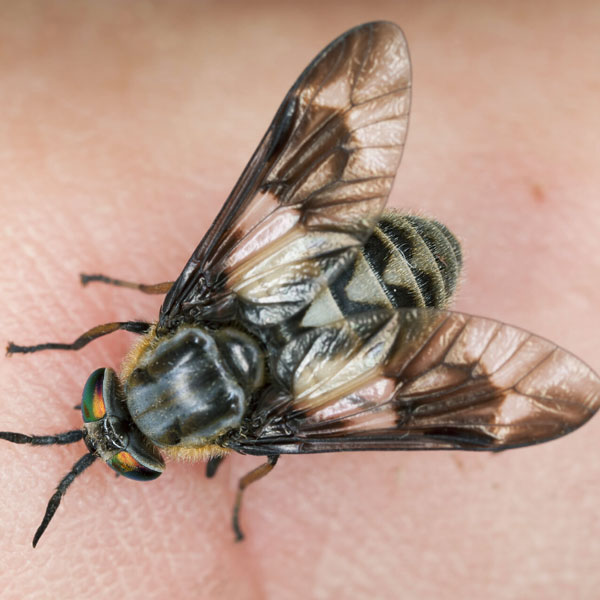
Deer flies are identified by their compact, dark bodies, large, patterned eyes, and fast, agile flight that often makes them persistent biters outdoors.
  • Actual Size 6 to 10 mm
  • Characteristics Medium to large biting flies with compact bodies, patterned wings, and prominent eyes.
  • Legs 6
  • Antennae Yes
  • Wings Yes, one pair of clear wings

What Do Deer Flies Do?

Deer flies develop in wet soil and aquatic-edge environments and are frequently noticed around wooded areas, lawns, and outdoor spaces in summer.
  • Biting flies known for their painful, sharp bites used by females to feed on blood.
  • Strong, fast fliers and are difficult to swat or avoid once they target a host.
  • Their wings often have dark bands or patterns that help distinguish them from other fly species.
  • Only female deer flies bite, as they need blood meals to develop their eggs.

Where Do You Find Deer Flies?

Deer flies are commonly encountered around vegetation, water sources, and outdoor gathering spots, where their fast, biting flight makes them a nuisance. Other common places you’ll find deer flies include:
  • Lakeshores and pond edges
  • Hiking trails and nature paths
  • Tall grass and meadow areas
  • Farms and pastureland with livestock
  • Campgrounds and picnic areas
  • Outdoor recreation parks
  • Near livestock barns and animal enclosures
  • Areas with standing or slow-moving water
  • Gardens near wooded or wet areas
  • Shaded areas with dense vegetation near water sources

What Should I Do If I Have Deer Flies in Georgia?

Deer flies can become a serious outdoor nuisance when they swarm around people and actively bite during warm, sunny conditions. If deer flies are causing problems, the following steps are recommended:
  • Wear light-colored clothing and long sleeves when outdoors.
  • Use insect repellents containing DEET, picaridin, or similar active ingredients.
  • Stay away from known breeding areas like marshes, ponds, and wooded wetlands when possible.
  • Use fans on patios or outdoor seating areas to disrupt flying insects.
  • Install protective screens on windows and doors if flies are entering nearby structures.
  • Keep outdoor areas trimmed, reducing tall grass and dense vegetation near living spaces.
  • Contact a pest control professional if deer flies are persistent around your property or livestock, as they can help identify breeding sites and recommend targeted treatment strategies.

Top 5 FAQs About Deer Flies in Georgia

To learn more about deer flies, start with the FAQs below. If you still have questions, feel free to reach out by phone or email.
Are deer flies dangerous?
Deer flies are not usually dangerous, but their bites can be painful and irritating. They may also mechanically transmit bacteria while feeding.
Why do deer flies bite people?
Only female deer flies bite, as they need blood meals to produce eggs. They are attracted to movement, carbon dioxide, and body heat.
What do deer fly bites feel like?
Their bites are typically sharp and painful, often causing redness, swelling, and itching afterward.
Do deer flies enter homes?
Deer flies are primarily outdoor pests and rarely enter homes unless accidentally carried inside or attracted through open doors.
When should I contact a professional pest control service for deer flies?
If deer flies are consistently present around your property or creating a severe nuisance, a pest control professional can help identify breeding areas and recommend targeted control methods.

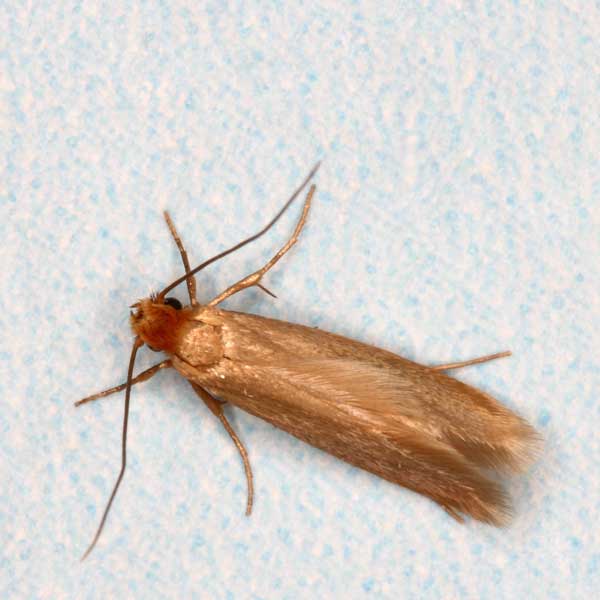
Clothes Moth

Clothes moth identification  - Active Pest Control
Health RiskNo Risk
Damage RiskMedium
NuisanceMedium

How to Identify Clothes Moths

These nuisance pests are identified by their small, pale bodies and narrow wings, often seen fluttering in closets and storage areas where natural fabrics are kept.
  • Actual Size 6 to 10 mm
  • Characteristics Small, narrow-bodied moths with pale, golden or beige coloring as adults, while larvae are creamy white and worm-like.
  • Legs 6
  • Antennae Yes
  • Wings Yes

What Do Clothes Moths Do?

These household pests feed on organic fibers found in fabrics, frequently going unnoticed until they spread through wardrobes and stored garments in dark, quiet spaces.
  • Adult clothes moths do not feed on clothing; the damage is caused by the larvae as they grow and develop.
  • Clothes moth larvae feed on natural fibers such as wool, silk, cashmere, and other animal-based materials containing keratin.
  • Prefer dark, quiet, and undisturbed areas like closets, storage boxes, and folded garments.
  • Infestations often go unnoticed until irregular holes appear in clothing or the fabric is weakened over time.

Where Do You Find Clothes Moths?

Clothes moths are frequently found in dark, undisturbed indoor spaces where wool, silk, or other natural fabrics are stored, clustering around materials as they feed and develop. Common places you’ll find clothes moths include:
  • Closets with stored clothing
  • Dressers and drawer interiors
  • Attics with stored textiles
  • Basements with fabric storage
  • Wool rugs and carpets
  • Upholstered furniture (sofas, chairs)
  • Boxes of seasonal clothing
  • Storage bins with natural fibers
  • Hanging garments that are rarely moved or worn
  • Curtain folds and drapes

What Should I Do If I Have Clothes Moths in Georgia?

Clothes moths are not considered a health risk to people or pets, but they can cause significant damage inside the home when infestations spread through fabrics, upholstery, and stored textiles. If you’re facing a clothes moth issue, the following actions are recommended:
  • Thoroughly inspect closets, drawers, and storage areas for signs of damage or larvae.
  • Wash or dry clean infested clothing, especially wool, silk, and other natural fibers.
  • Vacuum carpets, rugs, baseboards, and upholstered furniture carefully and regularly,
  • Freeze delicate or non-washable items for several days to kill eggs and larvae.
  • Store clean clothing in sealed plastic bins or garment bags to prevent reinfestation.
  • Remove and dispose of heavily infested items that cannot be saved.
  • Reduce clutter to eliminate hidden breeding areas for moths.
  • Contact professional pest control services to assess and treat severe infestations.

Top 5 FAQs About Clothes Moths in Georgia

Have questions about clothes moths? Check out our FAQ section below. If you need more help, contact us by phone or email.
What causes clothes moth infestations?
Infestations often begin when moths find access to natural fibers, especially in stored or rarely used clothing, rugs, or furniture, where larvae can feed undisturbed.
Are clothes moths dangerous to humans or pets?
No, clothes moths do not bite, sting, or transmit diseases. Their damage is limited to fabrics and other natural materials.
What types of fabrics do clothes moths prefer?
They prefer animal-based fibers such as wool, silk, cashmere, alpaca, fur, and feathers. Blended fabrics with natural fibers can also be affected.
Where are clothes moths commonly found in the home?
They are often found in closets, drawers, attics, basements, storage boxes, and anywhere natural fabrics are kept undisturbed.
How do you get rid of clothes moths?
Wash or dry clean infested items, vacuum storage areas, freeze affected fabrics, and store clean items in sealed containers. Call professional pest control if the infestation is widespread or keeps coming back.

Opossum

Opossum information and control - Active Pest Control
Health RiskMedium
Damage RiskMedium
NuisanceMedium

How to Identify Opossums

Opossums are nocturnal marsupials known for their sturdy bodies, hairless tails, and ability to climb trees and fences while foraging for a wide variety of food sources after dark.
  • Actual Size 24 to 36 inches long from nose to tail tip
  • Characteristics Nocturnal, gray-furred marsupial with a pointed snout and long, hairless tail.
  • Coloration Grayish-white fur with a pointed snout and pale facial markings

What Do Opossums Do?

Opossums are omnivores that eat a wide range of foods, including fruits, insects, eggs, and leftover food sources, and are frequently found in both natural and urban environments. Their nighttime activity often leads them into residential areas while searching for food.
  • Nocturnal marsupials, meaning they are most active at night and carry their young in a pouch.
  • They have a strong immune system and are resistant to many snake venoms and certain diseases.
  • When threatened, an opossum may “play dead” as a defense mechanism, entering a temporary state of shock.
  • Excellent scavengers and often help clean up dead animals and insect pests in the environment.

Where Do You Find Opossums?

Opossums commonly live in wooded areas, residential neighborhoods, and mixed natural environments where food and shelter are readily available. Common places you’ll find opossums include:
  • Suburban neighborhoods with easy access to food sources
  • Residential backyards with sheds, decks, or crawl spaces
  • Urban alleys and streets near garbage and dumpsters
  • Farmland edges and rural properties
  • Parks and green spaces with trees and cover
  • Areas under porches, decks, and outdoor structures

What Should I Do If I Have Opossums in Georgia?

Opossums are often found in outdoor environments like wooded yards, homes near forest edges, and heavily vegetated areas, where they may take shelter under decks or in attics and cause issues for property owners. If opossums are causing problems on your property, the following steps are recommended:
  • Secure outdoor food sources such as pet food, garbage cans, and fallen fruit to reduce attractants.
  • Remove clutter like woodpiles, brush, and debris that can provide hiding or nesting spots.
  • Close off access to crawl spaces, sheds, and under-deck areas with sturdy barriers.
  • Install secure lids on trash bins to prevent scavenging.
  • Keep outdoor areas well-lit at night to discourage nighttime activity.
  • Seal gaps, holes, and entry points around your home’s foundation and exterior structures.
  • Contact wildlife control professionals for safe and effective opossum removal and prevention.

Top 5 FAQs About Opossums in Georgia

If you have questions about opossums and available removal options, review our FAQ section below. If you still need assistance, contact us by phone or email.
Are opossums dangerous to people?
Opossums are generally not aggressive and tend to avoid humans. However, they may bite or scratch if cornered or threatened.
Do opossums carry diseases?
Opossums can carry parasites such as fleas, ticks, and mites, but they are less likely than many animals to spread rabies.
Do opossums really “play dead”?
Yes, when threatened, opossums can enter a temporary state of shock where they appear lifeless as a defense mechanism.
How can I tell if I have an opossum on my property?
Signs include overturned trash, droppings, nighttime noises, tracks, and sightings of the animal at night.
How do I keep opossums away?
Remove food sources, secure garbage, eliminate hiding spots, and seal access under decks or sheds. Professional wildlife control may be needed for persistent issues.

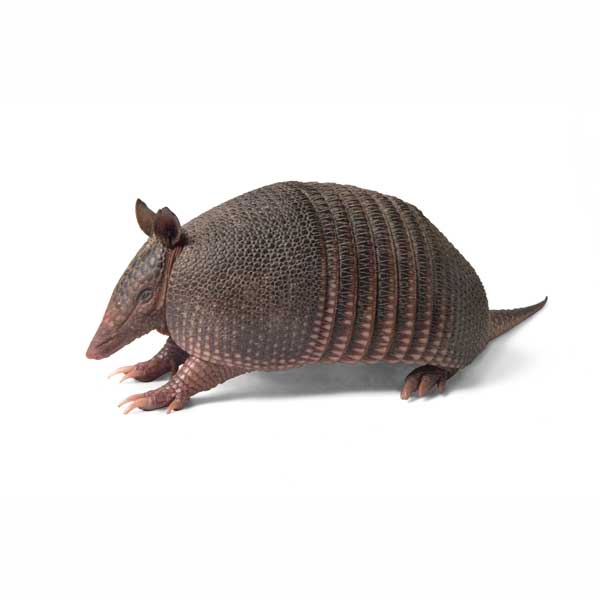
Armadillo

Armadillo information and control - Active Pest Control
Health RiskLow
Damage RiskLow
NuisanceMedium

How to Identify Armadillos

Armadillos are small, nocturnal mammals known for their armored shells, pointed snouts, and digging behavior as they search for insects in the ground.
  • Actual Size 1 to 3 feet in length
  • Characteristics Nocturnal animals that move slowly while foraging for insects, often leaving small holes in lawns and soft soil.
  • Coloration Tough, layered armor with shades of grayish brown and a slightly paler underside.

What Do Armadillos Do?

Armadillos feed on a diet of insects, grubs, and worms, which they uncover by rooting through lawns and loose soil. This digging behavior can create noticeable damage in yards, parks, and landscaped areas.
  • They are strong diggers and use their sharp claws to burrow into the ground for food and shelter.
  • Some species of armadillos can roll into a partial ball for protection, though not all species have this ability.
  • They have poor eyesight but an excellent sense of smell, which helps them locate food underground.
  • Armadillos often create burrows that can be used by other wildlife after they leave.

Where Do You Find Armadillos?

Armadillos frequently inhabit environments with soft ground, lawns, and forest edges where food and shelter are readily available, particularly during nighttime activity. Common places you’ll find them include:
  • Forest edges and woodlands
  • Grasslands and open fields
  • Suburban yards with soft soil
  • Farmland and pasture areas
  • Brushy thickets and scrublands
  • Sandy or loose-soil environments
  • Wetland borders and marsh edges
  • Golf courses and landscaped parks

What Should I Do If I Have Armadillos in Georgia?

Armadillos frequently roam between grassy areas, gardens, and natural habitats, where their rooting and burrowing behavior can lead to soil disruption and lawn damage. When they become a problem, the following steps are recommended:
  • Fill existing holes and compact loose soil to discourage reuse of burrowing sites.
  • Install underground fencing or barriers that extend below the soil surface to block digging access.
  • Keep lawns well-maintained and reduce overwatered or soft soil areas that attract armadillos.
  • Clear brush, woodpiles, and debris that may provide shelter near your home.
  • Use motion-activated lights or sprinklers to discourage nighttime foraging activity.
  • Contact a professional wildlife control service for persistent armadillo digging or recurring yard damage.

Top 5 FAQs About Armadillos in Georgia

If you’re looking for answers about armadillos and how to deal with them, review our frequently asked questions below. If you have additional questions, contact us by phone or email.
Are armadillos dangerous to humans?
They are generally not aggressive, but they can carry diseases and should not be handled.
Why do armadillos dig in yards?
They dig to find food like grubs and insects, which can leave holes and disturbed soil in lawns.
Do armadillos damage property?
Yes, their burrowing and digging can damage lawns, gardens, and landscaping.
Do armadillos carry diseases?
Some armadillos can carry bacteria associated with leprosy, though transmission to humans is rare.
How can armadillos be controlled or deterred?
Removing food sources, reducing grub populations, installing barriers, and contacting wildlife control professionals can help manage them.

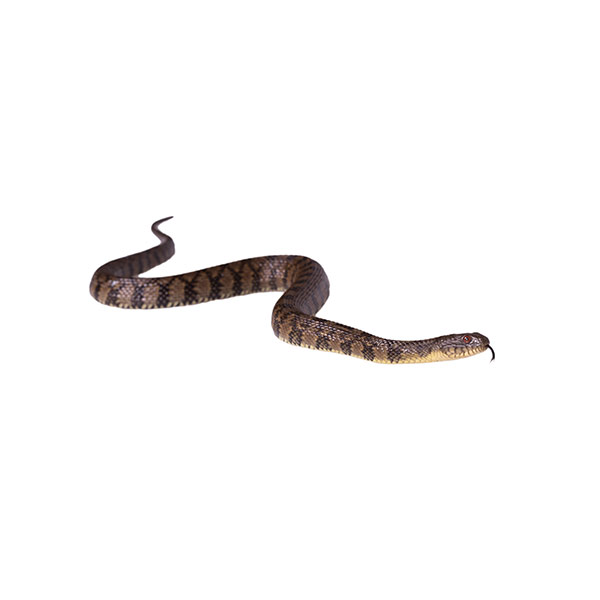
Banded Water Snake

Banded water snake trapping and removal  - Active Pest Control
Health RiskLow
Damage RiskNo Risk
NuisanceLow

How to Identify Banded Water Snakes

Nonvenomous aquatic reptiles recognized by their thick bodies, dark crossbands, and preference for ponds, rivers, marshes, and other freshwater habitats.
  • Actual Size 2 to 4 feet long
  • Characteristics Nonvenomous aquatic snakes, commonly found near ponds, rivers, lakes, and marshes.
  • Coloration Gray, brown, olive, or reddish-brown bodies marked with dark crossbands that may fade as the snake ages.

What Do Banded Water Snakes Do?

Banded water snakes prey on a variety of aquatic animals, including fish and frogs, and are commonly found around marshes, streams, and lakes. As they search for food, they may regularly appear near homes located close to water.
  • They are named for the dark crossbands that run across their bodies, especially when they are young.
  • They are excellent swimmers and spend much of their time in or near water searching for food.
  • Often mistaken for venomous cottonmouths because of their similar coloration and defensive behavior.
  • When threatened, they may flatten their bodies, release a strong-smelling musk, or bite in self-defense.

Where Do You Find Banded Water Snakes?

Are frequently found in areas with permanent water sources, where they can hunt, bask, and seek shelter among shoreline vegetation. Common places you’ll find banded water snakes include:
  • Ponds with vegetated shorelines and shallow water
  • Lakes, reservoirs, and their surrounding banks
  • Slow-moving rivers and streams with abundant cover
  • Freshwater marshes, swamps, and wetlands
  • Drainage canals, ditches, and retention ponds
  • Docks, boat ramps, and waterfront properties near freshwater
  • Fallen logs, rocks, and brush piles along the water's edge
  • Residential properties located near ponds, lakes, or other freshwater habitats

What Should I Do If I Have Banded Water Snakes in Georgia?

Commonly encountered around shorelines, docks, and residential properties near water, where they may be mistaken for venomous snakes. If you are dealing with banded water snakes, the following steps are recommended:
  • If the snake cannot be confidently identified, treat it with caution until a professional can determine the species.
  • Keep a safe distance and avoid attempting to handle or corner the snake.
  • Remove debris, brush piles, and other potential hiding places.
  • Keep grass and vegetation trimmed around ponds, docks, and waterfront areas.
  • Seal gaps, crawl space openings, and other entry points that could allow snakes to enter structures.
  • Contact a professional pest control service if banded water snakes are repeatedly appearing in high-traffic areas or creating ongoing concerns.

Top 5 FAQs About Banded Water Snakes in Georgia

For frequently asked questions about banded water snakes and removal options, check the FAQ section below. If you need additional support, contact us by phone or email.
Are banded water snakes venomous?
No, banded water snakes are not venomous, but they may bite people or pets if they feel threatened or are handled.
Why are banded water snakes often seen near homes?
They are attracted to areas near water sources where food is abundant, especially properties near ponds, lakes, or drainage areas.
How do banded water snakes behave when threatened?
They may flatten their bodies, release a strong musk, strike defensively, or attempt to flee into the water.
What is the difference between a banded water snake and a cottonmouth?
Banded water snakes are nonvenomous and slimmer, while cottonmouths are venomous with a heavier body and a more triangular head.
Should I remove a banded water snake if I see one?
In most cases, no removal is needed. However, if snakes are frequently appearing in high-traffic areas, contact a professional pest control service for assistance.