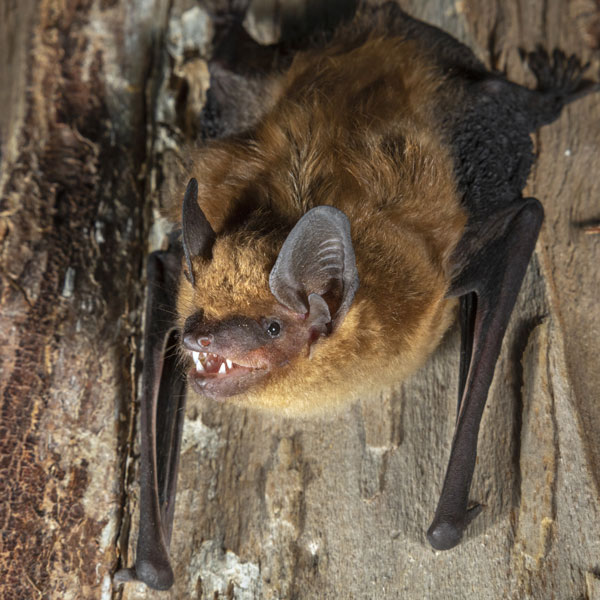
Big Brown Bat

Big brown bat  - Active Pest Control
Health RiskHigh
Damage RiskMedium
NuisanceHigh

How to Identify Big Brown Bats

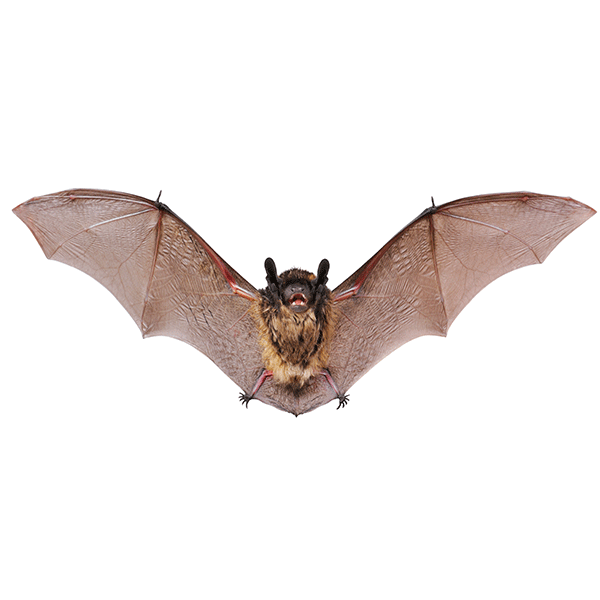
Big brown bats are nocturnal creatures known for their strong, flexible wings, small frames, and ability to use sound waves for navigation.
  • Actual Size 4 to 5 inches in body length with a wingspan of about 12 to 16 inches
  • Characteristics Medium-sized bats with dense brown fur, broad leathery wings, and rounded, relatively short ears
  • Coloration Typically brown with variations of dark brown or reddish tones depending on the individual
  • Wings Yes, large flexible wings used for agile nighttime flight and echolocation-assisted navigation

What Do Big Brown Bats Do?

These bats are nocturnal insect-eaters, most active after sunset when they hunt for flying insects. They use echolocation to detect and capture prey in complete darkness.
  • Bats are one of the few mammals capable of true sustained flight.
  • They commonly roost in dark, quiet areas such as attics, barns, and other sheltered structures.
  • A single big brown bat can consume large numbers of insects in one night, helping control pest populations.
  • Can carry diseases like other bats such as rabies, which can pose risks to humans and pets if contact occurs.

Where Do You Find Big Brown Bats?

Commonly found in dark, quiet areas that provide shelter during the daytime. Common places you’ll find big brown bats include:
  • Attics and upper portions of buildings
  • Barns and other agricultural structures
  • Hollow trees and tree cavities
  • Behind shutters, siding, or wall gaps
  • Roof eaves and soffits
  • Abandoned buildings or structures
  • Rock crevices and cliff faces
  • Chimneys and flue openings
  • Storage buildings and sheds

What Should I Do If I Have Big Brown Bats in Georgia?

Like some other bat species they can present health concerns, as they may carry diseases such as rabies, and their droppings can be associated with histoplasmosis, which can affect humans and animals. If big brown bats are found in or around your property, the following steps are recommended:
  • Identify and seal cracks, vents, and other small openings that big brown bats may use to access attics, walls, or other sheltered areas.
  • Avoid disturbing big brown bat colonies, especially during roosting or breeding periods when they are most vulnerable.
  • Use safe exclusion methods that allow big brown bats to leave a structure without reentering.
  • Professional bat control services are the most effective option for effectively handling big brown bat infestations.

Top 5 FAQs About Big Brown Bats in Georgia

If you have questions about big brown bats, start by reviewing our most frequently asked questions below. If you don’t see what you’re looking for, give us a call or send an email.
Are big brown bats dangerous to humans?
Big brown bats are generally not aggressive, but they can pose health risks if handled. Some individuals may carry diseases such as rabies, so direct contact should always be avoided.
Why are big brown bats in my Georgia home or attic?
Big brown bats often enter structures seeking safe, quiet places to roost. Attics, wall voids, and chimneys can provide warmth, darkness, and shelter similar to their natural habitats.
How do big brown bats get inside a house?
Big brown bats can squeeze through very small openings, sometimes as narrow as half an inch. Common entry points include roof gaps, vents, chimneys, and loose siding.
What should I do if I find a big brown bat in my house?
Avoid touching or attempting to trap the bat. Close off the room if possible and allow it to exit on its own, or contact a bat control professional for safe removal.
How can I prevent big brown bats from returning?
Seal potential entry points once bats have left, install chimney caps or vent screens, and consider professional exclusion services to help prevent re-entry.

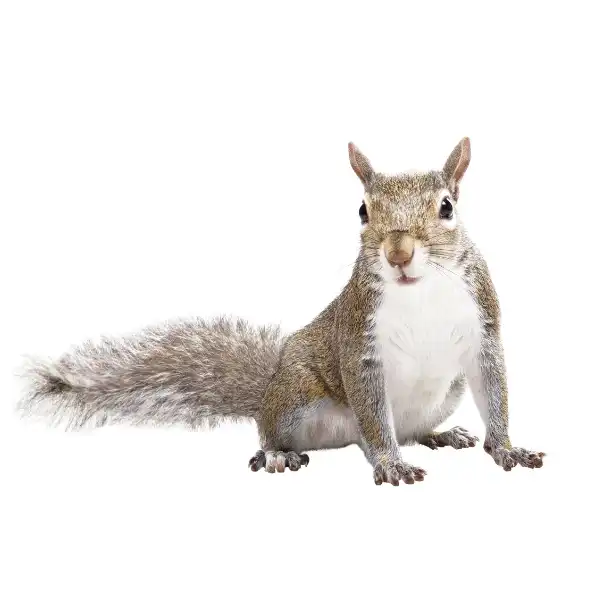
Gray Squirrel

Gray squirrel identification  - Active Pest Control
Health RiskLow
Damage RiskMedium
NuisanceHigh

How to Identify Gray Squirrels

Gray squirrels are medium-sized tree squirrels recognized by their gray fur, bushy tails, and agile movements as they climb trees and forage for food.
  • Actual Size 16 to 21 inches in total length, including the tail
  • Characteristics Active, tree-dwelling rodents that climb and leap through branches while searching for nuts, seeds, and other food sources in wooded and suburban areas.
  • Coloration Gray fur with a lighter underside and a large, bushy tail.

What Do Gray Squirrels Do?

Gray squirrels forage for acorns, nuts, and other plant materials, often gathering in areas with abundant food sources like trees, lawns, and feeders. This activity can lead to frequent sightings in neighborhoods and outdoor spaces.
  • They primarily eat nuts, seeds, acorns, fruits, buds, and occasionally insects.
  • Store food in scattered caches to help them survive the winter months.
  • They build nests called “dreys” out of leaves and twigs in tree branches or use tree cavities.
  • Excellent climbers and can jump between trees with impressive agility.

Where Do You Find Gray Squirrels?

Gray squirrels typically inhabit forests, suburban yards, and green spaces where they can forage for acorns and build nests in trees. Common places you’ll find gray squirrels include:
  • Hardwood and mixed forests
  • Suburban neighborhoods with mature trees
  • City and community parks
  • College campuses and landscaped grounds
  • Residential backyards and gardens
  • Cemeteries with large tree cover
  • Wooded riverbanks and nature preserves
  • Orchards and rural farmland edges

What Should I Do If I Have Gray Squirrels in Georgia?

Gray squirrels often live in residential and outdoor spaces such as trees, roofs, and gardens, where their foraging and nesting habits may result in damage to property and landscaping. When gray squirrels become a concern, the following steps are recommended:
  • Seal openings to prevent entering attics, walls, and crawl spaces.
  • Trim tree branches that hang close to your roof to reduce easy access to your home.
  • Remove outdoor food sources like bird seed, fallen fruit, and unsecured trash.
  • Use squirrel-proof feeders or temporarily stop feeding birds in affected areas.
  • Install chimney caps and vent covers to block potential nesting sites.
  • Clean up nesting materials like leaves and debris around your roof and yard.
  • Contact a professional wildlife control service if gray squirrel activity becomes persistent or causes damage.

Top 5 FAQs About Gray Squirrels in Georgia

To learn more about gray squirrels and practical control methods, explore our frequently asked questions below. If you have further concerns, contact us by phone or email.
Can gray squirrels damage homes?
Yes, they can chew on wood, insulation, and wiring if they enter attics or wall spaces.
Why do gray squirrels bury nuts?
They bury nuts and seeds to store food for later use, especially during colder months.
Are gray squirrels dangerous to people?
They are generally not aggressive, but they can carry parasites and may bite if cornered or handled.
Why are gray squirrels attracted to yards?
Bird feeders, gardens, trees, and easy access to food and shelter can attract gray squirrels.
How can gray squirrels be controlled or deterred?
Sealing entry points, trimming tree branches, removing food sources, and using exclusion devices can help manage gray squirrels. Professional wildlife control may be needed for ongoing problems.

Fox Squirrel

Fox squirrel identification  - Active Pest Control
Health RiskLow
Damage RiskLow
NuisanceLow

How to Identify Fox Squirrels

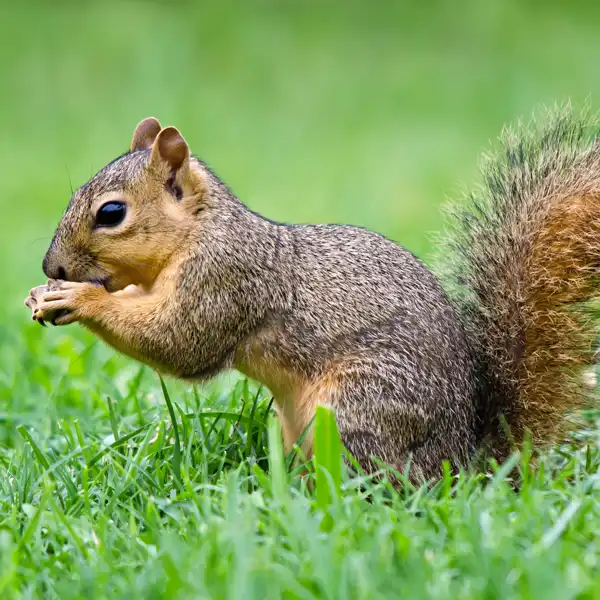
Fox squirrels are large tree squirrels recognized by their reddish-gray fur, long bushy tails, and energetic movement as they gather and store food.
  • Actual Size 18 to 27 inches long
  • Characteristics Active, tree-dwelling squirrels that climb and leap between branches while foraging for nuts, seeds, and fruits in wooded and residential areas.
  • Coloration Gray to reddish-brown fur with a lighter underside and a prominent bushy tail.

What Do Fox Squirrels Do?

Fox squirrels forage actively for nuts, seeds, and plant material, often caching food in shallow holes or tree hollows. This behavior can create minor digging and soil disruption in landscaped areas.
  • Highly adaptable and thrive in forests, urban parks, and suburban neighborhoods.
  • Build nests called “dreys” in tree branches or use hollow tree cavities for shelter.
  • They have strong hind legs that allow them to leap long distances between trees.
  • Bury nuts and seeds in the ground to store food for later use.

Where Do You Find Fox Squirrels?

Fox squirrels typically live in areas with forests, suburban settings, and green spaces where they can easily forage for nuts and use trees for shelter. Common places you’ll find fox squirrels include:
  • Oak and hardwood forests
  • Suburban neighborhoods with mature trees
  • City and community parks
  • College campuses and green spaces
  • Golf courses and landscaped areas
  • Wooded riverbanks and nature preserves
  • Rural farmlands with tree lines
  • Cemeteries and historic wooded grounds

What Should I Do If I Have Fox Squirrels in Georgia?

Fox squirrels commonly inhabit areas with trees, yards, and parklands, where their feeding and nesting habits can sometimes lead to property damage and scattered natural debris. When fox squirrels become a concern, the following steps are recommended:
  • Seal openings and reinforce vulnerable areas to prevent squirrels from getting inside attics or walls.
  • Trim tree branches that are close to your roof to reduce easy access to your home.
  • Remove or secure outdoor food sources like bird feeders, fallen fruit, and unsecured trash.
  • Install squirrel-proof barriers or guards on bird feeders and other attractants.
  • Clear nesting materials such as leaves, twigs, and debris from around your property.
  • Use deterrents like motion-activated lights or sprinklers to discourage activity in problem areas.
  • Contact a professional wildlife control service if fox squirrel activity becomes persistent or causes damage.

Top 5 FAQs About Fox Squirrels in Georgia

For questions about fox squirrels and effective ways to manage them, start with our FAQ section below. If you still have additional questions, reach out by phone or email.
Where do fox squirrels nest?
They build nests called “dreys” in tree branches or use hollow tree cavities for shelter and raising young.
Can fox squirrels cause damage?
Yes, they can damage roofs, attics, insulation, and wiring if they enter homes or chew on structures.
Why do fox squirrels bury food?
They bury nuts and seeds to store food for later use, especially during the winter months.
Are fox squirrels aggressive toward people?
They are not typically aggressive but may become bold if they are regularly fed or lose their fear of humans.
How can fox squirrels be controlled or deterred?
Removing food sources, sealing entry points, trimming tree branches near structures, and using exclusion barriers can help manage them. Professional wildlife control may be needed for persistent issues.

Little Brown Bat

Little Brown Bat - Active Pest Control
Health RiskHigh
Damage RiskMedium
NuisanceHigh

How to Identify Little Brown Bats

Little brown bats are nocturnal animals recognized for their small size, agile flight, and echolocation-based navigation.
  • Actual Size About 3 to 4 inches in body length with a wingspan of roughly 9 to 11 inches
  • Characteristics Small bats with soft brown fur, thin leathery wings, and small, rounded ears
  • Coloration Typically light to dark brown, depending on age and individual variation
  • Wings Yes, flexible wings designed for agile nighttime flight and echolocation-based navigation

What Do Little Brown Bats Do?

As nocturnal insect hunters, little brown bats emerge after sunset and use echolocation to detect insects in complete darkness.
  • Bats are one of the few mammals capable of true sustained flight.
  • They commonly roost in dark, quiet areas such as attics, barns, and other sheltered structures.
  • A single little brown bat can consume large numbers of insects in one night, helping control pest populations.
  • Can carry diseases like other bats such as rabies, which can pose risks to humans and pets if contact occurs.

Where Do You Find Little Brown Bats?

Commonly located in sheltered, low-light areas that offer protection while they are inactive during daylight hours. Common places you’ll find little brown bats include:
  • Roof eaves and soffits
  • Abandoned buildings or structures
  • Attics and upper portions of buildings
  • Barns and other agricultural structures
  • Hollow trees and tree cavities
  • Behind shutters, siding, or wall gaps
  • Rock crevices and cliff faces
  • Chimneys and flue openings
  • Storage buildings and sheds

What Should I Do If I Have Little Brown Bats in Georgia?

Like some other bat species they can present health concerns, as they may carry diseases such as rabies, and their droppings may contribute to histoplasmosis risks for humans and animals. If little brown bats are found in or around your property, the following steps are recommended:
  • Look for and seal any small openings where little brown bats might gain access to attics, walls, or voids.
  • Avoid interfering with little brown bat colonies during critical roosting or breeding times.
  • Implement exclusion strategies that allow bats to leave but prevent them from returning.
  • Hiring professional bat control services is the best approach for handling little brown bat infestations.

Top 5 FAQs About Little Brown Bats in Georgia

Have questions about little brown bats? Review the FAQs below, and if you don’t find your answer, feel free to call or email us.
Are little brown bats dangerous to humans?
Little brown bats are generally not aggressive, but they can pose health risks if handled. Some individuals may carry diseases such as rabies, so direct contact should always be avoided.
Why are little brown bats in my home or attic?
Little brown bats often enter structures seeking safe, quiet places to roost. Attics, wall voids, and chimneys can provide warmth, darkness, and shelter similar to their natural habitats.
How do little brown bats get inside a house?
Little brown bats can squeeze through very small openings, sometimes as narrow as half an inch. Common entry points include roof gaps, vents, chimneys, and loose siding.
What should I do if I find a little brown bat in my house?
Avoid touching or attempting to trap the bat. Close off the room if possible and allow it to exit on its own, or contact a bat control professional for effective removal.
How can I prevent little brown bats from returning?
Seal potential entry points once bats have left, install chimney caps or vent screens, and consider professional exclusion services to help prevent re-entry.

Red Paper Wasp

Red paper wasp identification  - Active Pest Control
Health RiskMedium
Damage RiskNo Risk
NuisanceMedium

How to Identify Red Paper Wasps

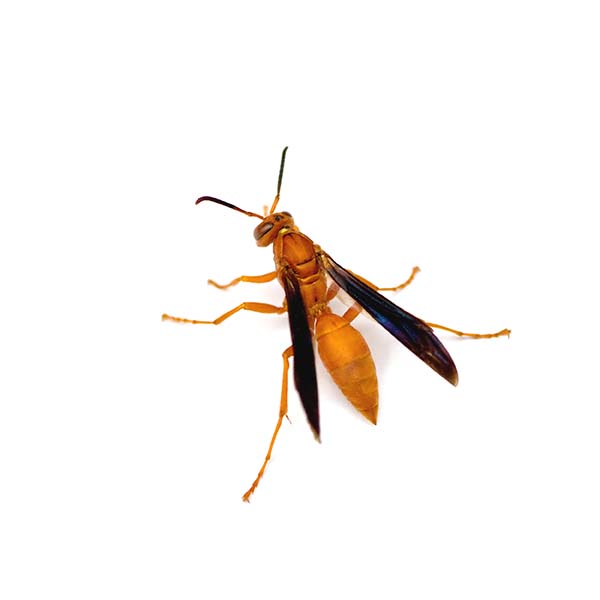
Recognized by their slim bodies and reddish coloration, red paper wasps often create exposed paper nests in sheltered areas including under eaves, patios, decks, and other covered spaces.
  • Actual Size Approximately 12 to 22 mm in length
  • Characteristics Slender, elongated bodies with narrow waists, reddish-brown coloring, long legs, and darker markings on the body and wings.
  • Legs 6
  • Antennae Yes
  • Wings Yes

What Do Red Paper Wasps Do?

Red paper wasps are social insects that feed on nectar and small insects. They are commonly found around homes, gardens, and sheltered structures where they build open, paper-like nests.
  • These wasps are social insects that live in colonies, build nests, and protect their young.
  • They feed on nectar and small insects, collecting prey to feed developing larvae.
  • Red paper wasps are beneficial predators that help control caterpillars, flies, and other insects.
  • They are most active during warmer months when nesting and feeding increase.

Where Do You Find Red Paper Wasps?

These wasps are commonly found near structures and outdoor areas where they build visible paper nests in sheltered spaces. Common locations where red paper wasps may be found include:
  • Under roof eaves, soffits, and overhangs
  • Beneath decks, patios, and porches
  • Around door frames, window frames, and sheltered entryways
  • Inside sheds, garages, and outdoor storage areas
  • Under railings, fences, and other protected structures
  • Around garden areas, shrubs, and flowering plants
  • On tree branches, shrubs, and other outdoor vegetation
  • Inside wall voids, attics, and other sheltered spaces around buildings

What Should I Do If I Have Red Paper Wasps in Georgia?

Red paper wasps are generally not aggressive unless threatened, but their exposed nests can become a problem when located near buildings or high-traffic areas. If you are experiencing red paper wasp activity, the following recommendations may help:
  • Avoid disturbing nests. Keep a safe distance from active red paper wasp nests, especially near people and pets.
  • Inspect your property. Check eaves, decks, porches, sheds, and other sheltered areas for new nests.
  • Seal entry points. Repair cracks, gaps, and openings where wasps may enter or build nests.
  • Reduce attractants. Keep outdoor food, trash, and sugary drinks covered to avoid attracting wasps.
  • Maintain landscaping. Trim vegetation near structures to reduce nesting areas.
  • Contact a professional pest control company. A professional can effectively inspect and remove nests near high-traffic areas.

Top 5 FAQs About Red Paper Wasps in Georgia

Searching for answers about red paper wasps? Browse our frequently asked questions below, and contact us by phone or email for more support.
Are red paper wasps dangerous?
Red paper wasps are not usually aggressive, but they may sting when they feel threatened or when their nest is disturbed. Their stings can be painful and may cause allergic reactions in some individuals.
Where do red paper wasps build their nests?
Red paper wasps commonly build exposed, paper-like nests in sheltered locations around homes and outdoor structures. Common nesting areas include:
• Under roof eaves and overhangs
• Beneath decks and porches
• Inside sheds and garages
• Under railings and outdoor structures
• Around window frames and doorways.
How can I prevent red paper wasps from building nests?
You can help discourage nesting by sealing gaps around structures, keeping outdoor areas clean, trimming vegetation near buildings, and regularly checking sheltered areas for early signs of nest activity.
When are red paper wasps most active?
Red paper wasps are typically most active during warmer months when temperatures support nest building, feeding, and colony growth. Activity often increases during spring and summer as colonies become established.
What should I do if I find a red paper wasp nest?
Avoid disturbing the nest and keep children and pets away from the area. If the nest is located near entrances, walkways, or other high-traffic areas, a professional pest control company can safely inspect the situation and recommend the best removal options.

Sweat Bee

Sweat bee identification  - Active Pest Control
Health RiskLow
Damage RiskLow
NuisanceMedium

How to Identify Sweat Bees

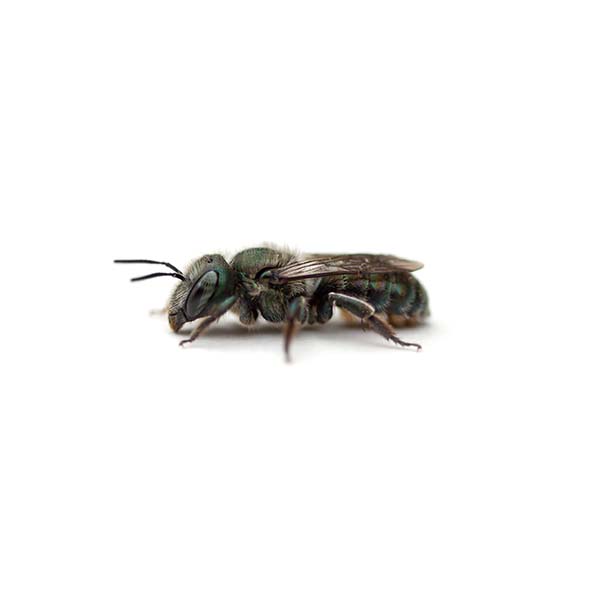
Sweat bees are recognized by their small, slender bodies, metallic or dark coloring, and their tendency to gather around flowers, gardens, and outdoor areas where they search for pollen and nectar.
  • Actual Size Approximately 4 to 10 mm in length
  • Characteristics Small bees with slender bodies that may have metallic green, blue, bronze, or dark coloring. Sweat bees have short antennae, delicate wings, and fine body hairs used for collecting pollen.
  • Legs 6
  • Antennae Yes
  • Wings Yes

What Do Sweat Bees Do?

Sweat bees are active pollinators that search for nectar and pollen among flowering plants. They are frequently observed around residential landscapes, gardens, and areas with exposed soil where they may nest.
  • They get their name from their attraction to perspiration because some species are drawn to the salt found in human sweat.
  • Many sweat bee species nest in the ground, creating small burrows in soil, sandy areas, gardens, lawns, and other outdoor locations.
  • Sweat bees feed on nectar and pollen, making them beneficial insects that contribute to the pollination of many plants and flowers.
  • They are commonly seen during warmer months, especially around gardens, flower beds, meadows, and areas with blooming vegetation.

Where Do You Find Sweat Bees?

These small bees are frequently found near landscapes and outdoor spaces where they collect nectar and pollen or build nests in soil and sheltered areas. Common locations include:
  • Gardens with flowering plants and blooming vegetation
  • Flower beds and landscaped areas around homes
  • Lawns and grassy areas with patches of exposed soil
  • Meadows, fields, and natural areas with wildflowers
  • Vegetable gardens and orchards
  • Around shrubs, bushes, and flowering trees
  • Sandy soil, bare ground, and areas where they can create underground nests
  • Parks, trails, and outdoor spaces with abundant plant life and sunlight

What Should I Do If I Have Sweat Bees in Georgia?

Sweat bees typically avoid people, but their attraction to flowers, sweat, and outdoor areas can make them a nuisance during warmer months. If you are experiencing increased sweat bee activity, the following steps may help:
  • Keep lawns, gardens, and outdoor areas maintained to reduce excessive nesting areas.
  • Plant flowers and vegetation away from high-traffic areas to help reduce bee activity near patios and walkways.
  • Use outdoor fans in seating areas, as moving air can make the area less attractive to flying insects.
  • Keep outdoor food, drinks, and sweet substances covered to avoid attracting additional insect activity.
  • Avoid wearing heavily scented products outdoors, as strong fragrances may attract some bees.
  • Consider professional pest control services if sweat bee activity persists or creates an ongoing nuisance around your home.

Top 5 FAQs About Sweat Bees in Georgia

Have questions about sweat bees and how to manage their activity around your property? Review our FAQ section below, and reach out by phone or email for more information.
Why are sweat bees attracted to me?
Sweat bees are attracted to the salt and moisture found in human perspiration, which is why they may land on people during warm weather. They are usually searching for minerals rather than trying to sting.
Are sweat bees dangerous?
Sweat bees are generally not dangerous and are not aggressive toward people. Females can sting if they are handled or feel threatened, but their stings are usually mild compared to many other stinging insects.
Where do sweat bees build their nests?
Many sweat bee species build underground nests in areas with exposed soil. Common nesting locations include:
• Bare patches of soil
• Gardens and flower beds
• Sandy areas
• Lawns with thin grass coverage
• Soil near sidewalks, patios, and landscaping
How can I reduce sweat bee activity around my property?
You can help reduce activity by maintaining lawns, filling small areas of exposed soil, limiting standing water, and keeping outdoor gathering areas clean. If activity becomes excessive or difficult to manage, a professional pest control company can inspect the property and recommend appropriate solutions.
When are sweat bees most active?
Sweat bees are most active during warmer months when flowers are blooming and temperatures are favorable. They are often noticed during sunny days when people are spending more time outdoors.

Smokybrown Cockroach

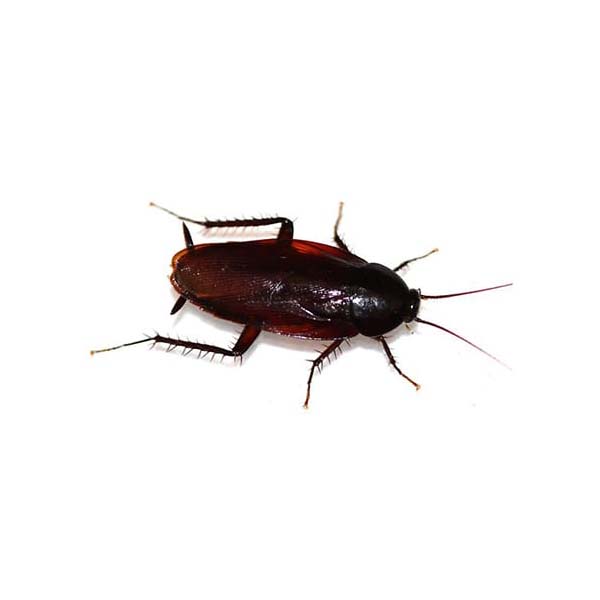
Smokybrown cockroach identification  - Active Pest Control
Health RiskLow
Damage RiskLow
NuisanceLow

How to Identify Smokybrown Cockroaches

Most identifiable by their shiny, dark mahogany-colored bodies, long antennae, and well-developed wings, making them capable fliers often found in warm, humid environments and around structures.
  • Actual Size 1 to 1 1/2 inches long
  • Characteristics Smooth, dark brown bodies with a glossy appearance, long antennae, and strong wings that allow them to fly.
  • Legs 6
  • Antennae Yes
  • Wings Yes

What Do Smokybrown Cockroaches Do?

Smokybrown cockroaches feed on decaying materials and discarded food sources, and their active movement between outdoor habitats and buildings can result in surface contamination.
  • They are strong fliers and are commonly attracted to lights at night, especially around homes and buildings.
  • They typically live outdoors in tree canopies, mulch, leaf litter, and other moist organic debris.
  • These cockroaches often enter homes through rooflines, attics, vents, and openings near upper levels of structures.
  • Although they are not aggressive toward humans, they can contaminate surfaces and may contribute to unpleasant odors in infested areas.

Where Do You Find Smokybrown Cockroaches?

Typically associated with warm, humid environments that provide moisture and decaying organic matter, and they often become more visible during periods of high humidity. Common places you’re likely to encounter smokybrown cockroaches include:
  • In tree canopies and wooded areas
  • Around rooflines, soffits, and attic spaces
  • Inside gutters and downspouts
  • In mulch beds, leaf litter, and landscaped yard areas
  • Around porches, decks, and exterior lighting fixtures at night
  • Inside attics and upper wall voids
  • Near outdoor trash bins, compost piles, and recycling areas
  • Around warm, humid exterior walls and shaded areas of buildings

What Should I Do If I Have Smokybrown Cockroaches in Georgia?

Can contribute to unsanitary conditions when they invade homes from outdoor harborage sites such as mulch beds, roof voids, and wooded areas. If smokybrown cockroaches are becoming a problem, the following steps are recommended:
  • Reduce outdoor lighting at night since smokybrown cockroaches are strongly attracted to bright lights around buildings.
  • Seal gaps and openings around rooflines, soffits, vents, and windows to help prevent entry into the home.
  • Trim trees and remove overhanging branches that allow cockroaches easy access to roofs and attic areas.
  • Keep gutters clean and free of leaves and organic debris that can attract and act as shelter.
  • Eliminate standing water and repair moisture issues around the exterior of the home to reduce favorable conditions.
  • Store trash in tightly sealed containers and clean outdoor waste areas regularly to limit food sources.
  • Contact professional cockroach control if the infestation continues or spreads, as targeted treatment may be needed to eliminate hidden populations.

Top 5 FAQs About Smokybrown Cockroaches in Georgia

Have questions about smokybrown cockroaches? Start with the FAQ section below, and reach out by phone or email if you need additional support.
Why are smokybrown cockroaches attracted to homes?
They are drawn to lights, moisture, and sheltered areas such as attics, soffits, and rooflines, especially in warm weather.
Are smokybrown cockroaches dangerous to humans?
They do not bite or sting, but they can spread bacteria and contaminate surfaces and food if they enter indoor areas.
How do smokybrown cockroaches get inside homes?
They commonly enter through roof vents, attic openings, gaps in soffits, and spaces around windows or siding.
What are the signs of a smokybrown cockroach infestation?
Signs include sightings near exterior lights, droppings, egg cases, and occasional indoor appearances in upper areas like attics.
How do you get rid of smokybrown cockroaches?
Effective control includes sealing entry points, reducing moisture and debris, and using targeted treatments or professional cockroach control services if needed.

Australian Cockroach

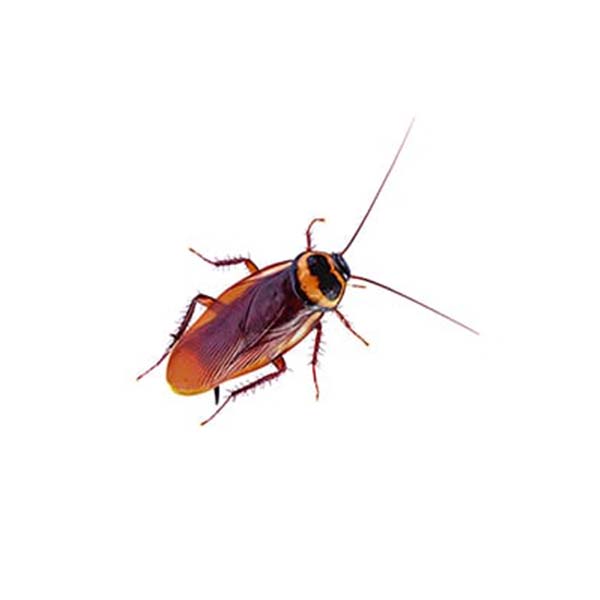
Australian cockroach identification  - Active Pest Control
Health RiskMedium
Damage RiskLow
NuisanceMedium

How to Identify Australian Cockroaches

Australian cockroaches are outdoor-adapted pests with oval brown bodies, long antennae, and wings that allow them to move through vegetation, landscapes, and sometimes into homes or buildings.
  • Actual Size Approximately 1 ¼ to 1 ½ inches in length
  • Characteristics Reddish-brown insects with smooth, oval-shaped bodies, long sensory antennae, and fully developed wings. Their identifying features include a yellow border around the pronotum and pale-yellow lines extending along the outer wing edges.
  • Legs 6
  • Antennae Yes
  • Wings Yes

What Do Australian Cockroaches Do?

Australian cockroaches seek out environments with vegetation, decaying plant matter, and organic materials that provide nourishment and shelter. During unfavorable weather or seasonal changes, they may enter buildings in search of more suitable conditions.
  • These cockroaches have fully developed wings and are capable of moving between outdoor areas, although they typically prefer crawling to flying.
  • They feed on organic materials such as decaying plant matter, leaves, vegetation, and other available food sources found outdoors.
  • Australian cockroaches may enter homes and buildings while searching for moisture, food, warmth, or shelter, especially when outdoor conditions become less favorable.
  • These cockroaches can reproduce quickly when they have access to warm temperatures, food, and suitable hiding places.

Where Do You Find Australian Cockroaches?

Australian cockroaches are typically found in outdoor spaces with vegetation, soil, organic matter, and moisture. When conditions are favorable, they may become more noticeable around homes and other structures. Common locations include:
  • Mulch beds and landscaped areas around homes
  • Gardens and flower beds with dense vegetation
  • Greenhouses, nurseries, and areas with tropical plants
  • Under leaf litter, grass clippings, and yard debris
  • Around trees, shrubs, and groundcover plants
  • Wood piles, compost areas, and locations with decaying plant material
  • Crawl spaces, garages, sheds, and other sheltered outdoor structures
  • Near irrigation systems, drains, and other damp areas with moisture sources

What Should I Do If I Have Australian Cockroaches in Georgia?

Australian cockroaches can become a problem when they travel from gardens, landscaped areas, and other outdoor environments into buildings. If they are becoming an issue, consider the following prevention strategies:
  • Remove leaf litter, mulch, grass clippings, and other organic debris from around your home's foundation to reduce outdoor hiding places.
  • Trim shrubs, trees, and dense vegetation away from your home to limit shelter and reduce easy access to the structure.
  • Seal cracks, gaps, and openings around doors, windows, foundations, and utility entry points to help prevent cockroaches from entering indoors.
  • Reduce excess moisture by repairing leaks, improving drainage, and eliminating standing water around your property.
  • Store pet food, bird seed, and other food sources in sealed containers, and promptly clean up crumbs or spills.
  • Contact a professional pest control company if Australian cockroach activity continues or becomes difficult to manage.

Top 5 FAQs About Australian Cockroaches in Georgia

Searching for information about Australian cockroaches and how to keep them away from your home? Review the FAQ section below, and feel free to contact us by phone or email for more support.
Are Australian cockroaches dangerous?
Australian cockroaches are not considered dangerous to people, but they can create sanitation concerns. Like other cockroach species, they may carry bacteria and contaminate food preparation surfaces or stored food if they enter homes.
What do Australian cockroaches eat?
Australian cockroaches are scavengers that feed on a variety of organic materials, including:
• Decaying leaves and plant matter
• Fruits and vegetables
• Pet food
• Food crumbs
• Garbage and organic waste
• Paper and cardboard
Can Australian cockroaches fly?
Yes. Australian cockroaches have fully developed wings and are capable of flying, although they spend much of their time crawling through vegetation, mulch, and other sheltered outdoor areas.
How can I help prevent Australian cockroaches around my property?
You can reduce Australian cockroach activity by sealing entry points, removing leaf litter and organic debris, reducing excess moisture, storing food properly, and keeping vegetation trimmed away from your home's foundation.
When should I contact a professional pest control company?
If Australian cockroaches continue to appear despite your prevention efforts or you notice increasing activity indoors or around your property, a professional pest control company can inspect your home, identify where the cockroaches are coming from, and recommend an effective treatment plan.

Surinam Cockroach

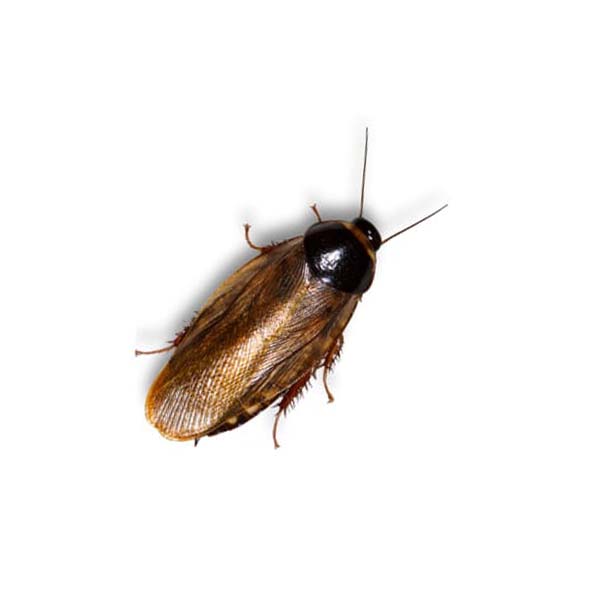
Surinam cockroach identification  - Active Pest Control
Health RiskLow
Damage RiskLow
NuisanceMedium

How to Identify Surinam Cockroaches

Surinam cockroaches are moderately sized pests with rounded brown bodies, long antennae, and developed wings that allow them to navigate outdoor areas and sometimes invade structures.
  • Actual Size Approximately 3/4 to 1 inch in length
  • Characteristics Light brown to reddish-brown insects with oval-shaped bodies, long antennae, and fully developed wings adapted for outdoor movement.
  • Legs 6
  • Antennae Yes
  • Wings Yes

What Do Surinam Cockroaches Do?

Surinam cockroaches are attracted to organic matter, vegetation, and natural debris where they can find food and shelter. As they move through outdoor areas, they may occasionally enter buildings in search of favorable conditions.
  • They feed on decaying plant matter, organic debris, and other available food sources found outdoors.
  • Unlike many indoor cockroach species, Surinam cockroaches are more likely to invade homes accidentally while searching for moisture, warmth, or shelter.
  • These cockroaches reproduce through parthenogenesis, allowing females to produce offspring without mating.
  • Surinam cockroaches have fully developed wings, but they are more commonly found crawling through vegetation, soil, and ground-level areas.

Where Do You Find Surinam Cockroaches?

Often associated with soil, gardens, leaf litter, and areas with plant debris, Surinam cockroaches thrive in warm outdoor environments. Their activity may increase when conditions provide suitable moisture and shelter. Common places you may find them include:
  • Mulch beds and landscaped areas around homes
  • Gardens and flower beds with dense vegetation
  • Under leaf litter, grass clippings, and other yard debris
  • Around tree bases, shrubs, and groundcover plants
  • Compost piles and areas with decaying plant material
  • Beneath rocks, logs, and other outdoor hiding places
  • Greenhouses, nurseries, and areas with potted plants
  • Crawl spaces, garages, sheds, and other sheltered areas near the outdoors

What Should I Do If I Have Surinam Cockroaches in Georgia?

Surinam cockroaches can become an unwanted pest when they travel indoors from outdoor habitats containing soil, vegetation, and organic debris. If Surinam cockroaches are becoming a concern, the following prevention methods may help:
  • Remove excess mulch, leaf litter, grass clippings, and other organic debris around your home where Surinam cockroaches may hide.
  • Seal cracks, gaps, and openings around doors, windows, foundations, and utility entry points to help prevent entry indoors.
  • Reduce moisture around your property by repairing leaks, improving drainage, and avoiding overwatering landscaped areas.
  • Keep garages, sheds, crawl spaces, and storage areas clean and free of clutter where cockroaches may seek shelter.
  • Remove potential food sources by cleaning up outdoor food debris, pet food, and organic waste.
  • Reach out to a professional pest control company if cockroach activity persists or becomes challenging to control on your own.

Top 5 FAQs About Surinam Cockroaches in Georgia

Want to learn more about Surinam cockroaches and ways to prevent activity around your property? Review the FAQs below, and reach out by phone or email for additional guidance.
Are Surinam cockroaches dangerous?
Surinam cockroaches are not considered dangerous to people, but they can become a nuisance when they enter homes or gather around outdoor areas. Like other cockroaches, they may carry bacteria and contaminate surfaces if they move through unsanitary areas.
Why are Surinam cockroaches coming into my home?
These cockroaches may enter homes while searching for moisture, warmth, food, or shelter. They can move indoors through cracks, gaps, doors, windows, and other openings, especially when outdoor conditions become less favorable.
Do Surinam cockroaches damage property?
No, Surinam cockroaches do not typically cause structural damage to homes or buildings. However, their presence can become a nuisance and may create sanitation concerns if they enter kitchens, storage areas, or other indoor spaces.
How can I prevent Surinam cockroaches around my property?
You can help reduce cockroach activity by removing outdoor hiding places, limiting moisture, and blocking access points. Helpful prevention steps include keeping mulch away from foundations, removing leaf litter, sealing cracks, and maintaining clean outdoor areas.
How can I get rid of Surinam cockroaches?
Removing outdoor harborage areas, sealing entry points, and reducing moisture can help control activity. If cockroaches continue to appear or become difficult to manage, a professional pest control company can inspect the property, identify contributing factors, and recommend effective treatment options.

Deer Tick

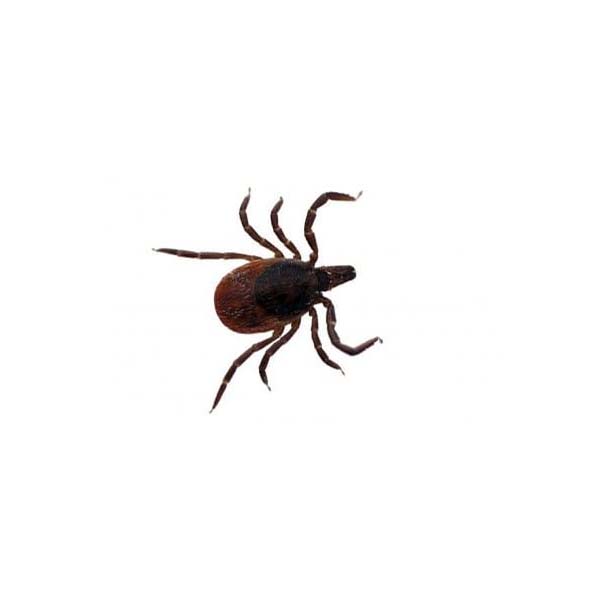
Black legged tick identification  - Active Pest Control
Health RiskHigh
Damage RiskNo Risk
NuisanceHigh

How to Identify Deer Ticks

Deer ticks are small parasitic arachnids with mouthparts designed for attaching to skin and feeding on the blood of animals and people.
  • Actual Size Typically 1-3 mm (larger when engorged after feeding)
  • Characteristics Small parasitic ticks that are reddish-brown in color.
  • Legs 8
  • Antennae No
  • Wings No

What Do Deer Ticks Do?

Deer ticks feed on the blood of animals and humans instead of plant material. They are often found in tall grass, wooded environments, and areas with high wildlife activity.
  • Known vectors of Lyme disease and can also transmit other pathogens such as anaplasmosis and babesiosis.
  • They go through multiple life stages, including larva, nymph, and adult, each requiring a blood meal to develop.
  • Nymph-stage deer ticks are especially dangerous because they are very small and difficult to detect on the skin.
  • Typically attach to a host by waiting on vegetation and grabbing onto passing animals or people.

Where Do You Find Deer Ticks?

Deer ticks thrive in outdoor environments with heavy vegetation and are commonly present in forests, overgrown grass, and brush-covered areas. Common places you’ll find deer ticks include:
  • Wooded areas and forest floors with heavy leaf litter
  • Tall grass and overgrown fields
  • Brushy or shrubby landscapes and forest edges
  • Hiking trails and wildlife paths
  • Lawns and yards near wooded or natural areas
  • Parks, nature preserves, and campgrounds
  • Indoor areas where ticks are brought in on clothing, pets, or gear, such as homes, garages, and mudrooms

What Should I Do If I Have Deer Ticks in Georgia?

Deer ticks can pose a risk when they transition from outdoor environments like brush and tall grass onto humans, animals, and indoor areas brought in through clothing or pets. If you are facing a deer tick problem, the following steps are recommended:
  • Perform full-body tick checks after spending time outdoors, especially around the hairline, underarms, behind the knees, and the waistline.
  • Shower within two hours of being outdoors to help wash off unattached ticks.
  • Remove attached ticks immediately using fine-tipped tweezers, pulling straight upward without twisting.
  • Clean the bite area and hands with soap and water or rubbing alcohol after removal.
  • Wash clothing, towels, and outdoor gear in hot water and dry on high heat to kill any hidden ticks.
  • Inspect and treat pets regularly for ticks using veterinarian-approved prevention products.
  • Reduce tick habitats by keeping grass short and removing leaf litter, brush, and overgrowth around the property.
  • Contact a medical professional if symptoms develop after a tick bite, such as rash, fever, or flu-like illness.
  • Contact a professional pest control service if deer tick activity is persistent, widespread, or difficult to manage on your property.

Top 5 FAQs About Deer Ticks in Georgia

Have questions about deer ticks? Check out our FAQ section below, and if you still need assistance, contact us by phone or email.
What diseases can deer ticks spread?
Deer ticks can transmit Lyme disease, anaplasmosis, babesiosis, and other tick-borne illnesses.
How can I tell if I’ve been bitten by a deer tick?
A tick bite is often painless at first, but you may notice a small tick attached or later develop redness, rash, or flu-like symptoms.
How do I safely remove a deer tick?
Use fine-tipped tweezers to grasp the tick close to the skin and pull upward steadily without twisting or squeezing.
How can I prevent deer tick bites?
Wear long sleeves and pants, use insect repellent, avoid tall grass, and perform full-body tick checks after outdoor activity.
When should I contact a professional for deer ticks?
You should contact a pest control professional if deer tick activity is frequent, widespread, or difficult to manage around your property.